Hear from Our Customers
You’re not looking for the cheapest option. You’re looking for asphalt that doesn’t crack apart after two summers or turn into a pothole minefield after the next storm season.
When your commercial paving is installed correctly, your parking lot handles Florida’s weather without falling apart. The surface stays smooth. Water drains where it should instead of pooling in low spots. Your customers pull in, park, and walk to your door without dodging cracks or tripping hazards.
That’s what matters. A parking lot that works, looks professional, and doesn’t demand your attention every few months. You get back to running your business instead of managing pavement problems.
We’ve been handling commercial paving across Central Florida for years, and we’ve seen what happens when contractors cut corners. Based in Winter Garden, our team works throughout Fuller Heights and surrounding Polk County communities where property owners need asphalt that can take the heat—literally.
Florida isn’t kind to pavement. The UV exposure alone breaks down asphalt faster than in most other states. Add in afternoon thunderstorms, high humidity, and the occasional tropical system, and you need installation techniques that account for all of it.
That’s where local experience makes the difference. We understand how to prep the base, manage drainage, and choose materials that hold up in this climate. We’re not trying to upsell you on services you don’t need. We’re focused on getting your parking lot right the first time so you’re not calling for repairs six months later.
First, we come out to look at your property. Not to give you a quick estimate and disappear—to actually assess what you’re working with. We check the existing surface if there is one, look at drainage patterns, and talk through what you need the space to do.
From there, you get a clear breakdown of the work and the cost. No surprises, no vague language. If there are potential issues—like poor soil conditions or drainage problems—you’ll know before any equipment shows up.
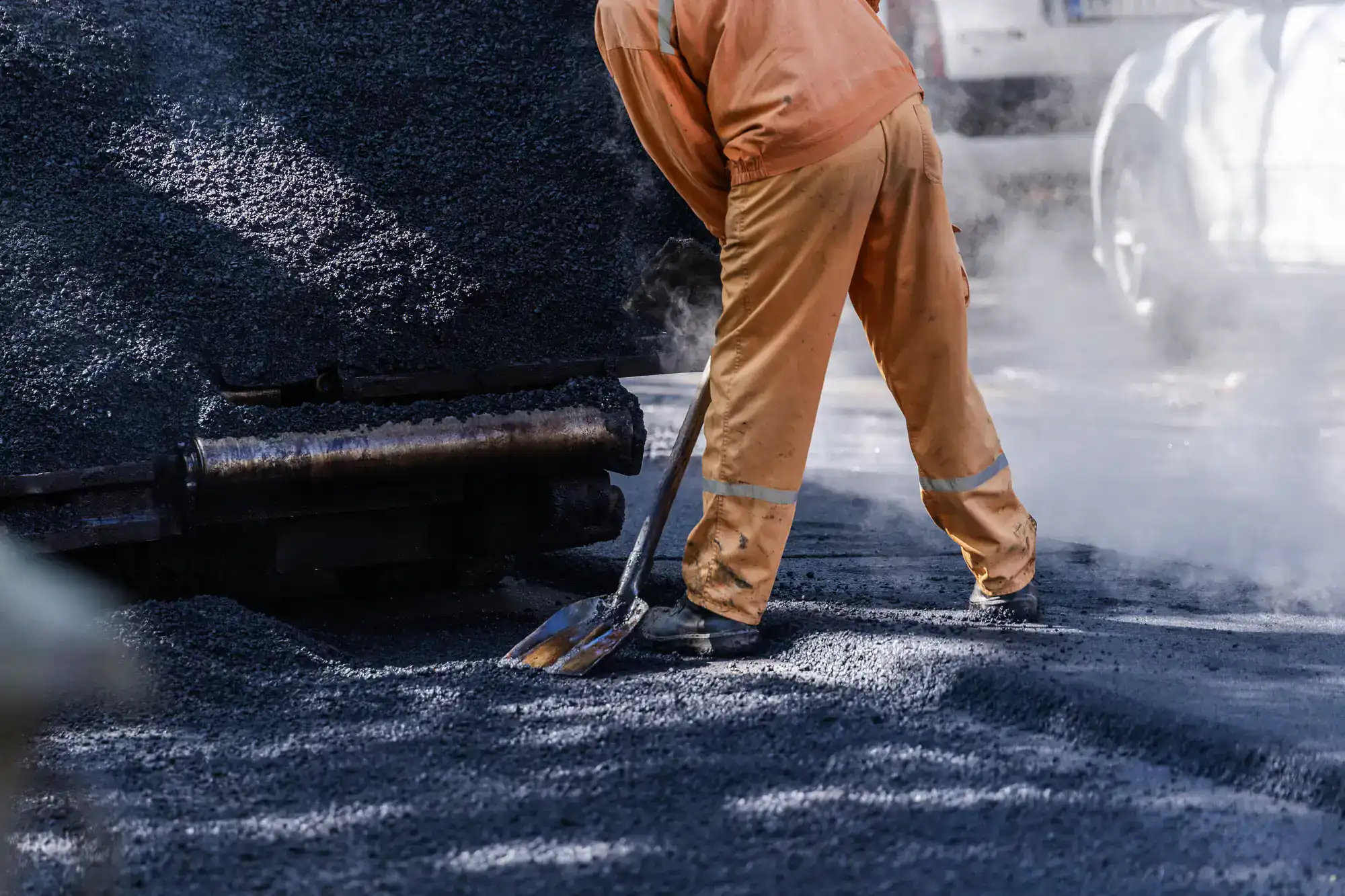
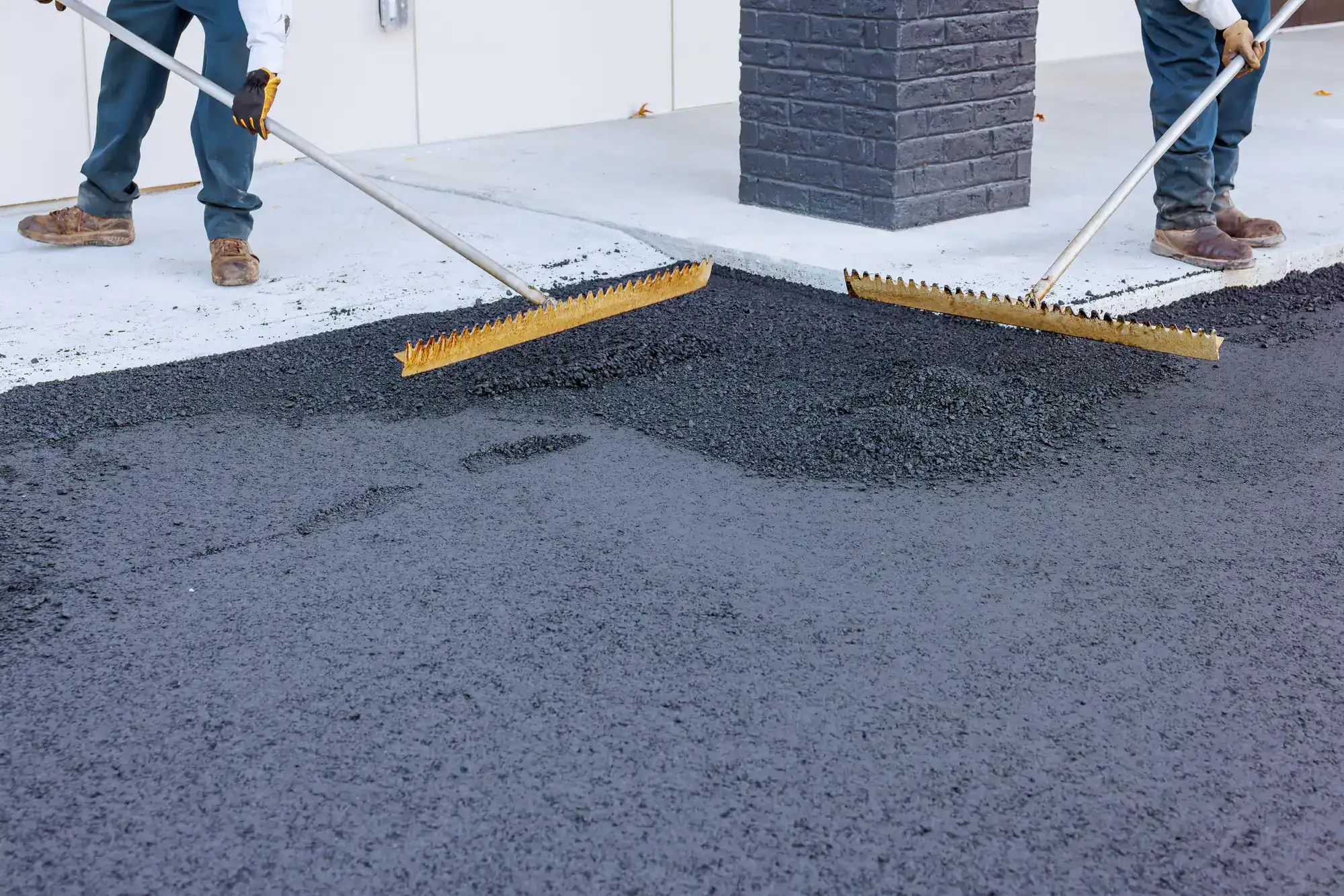
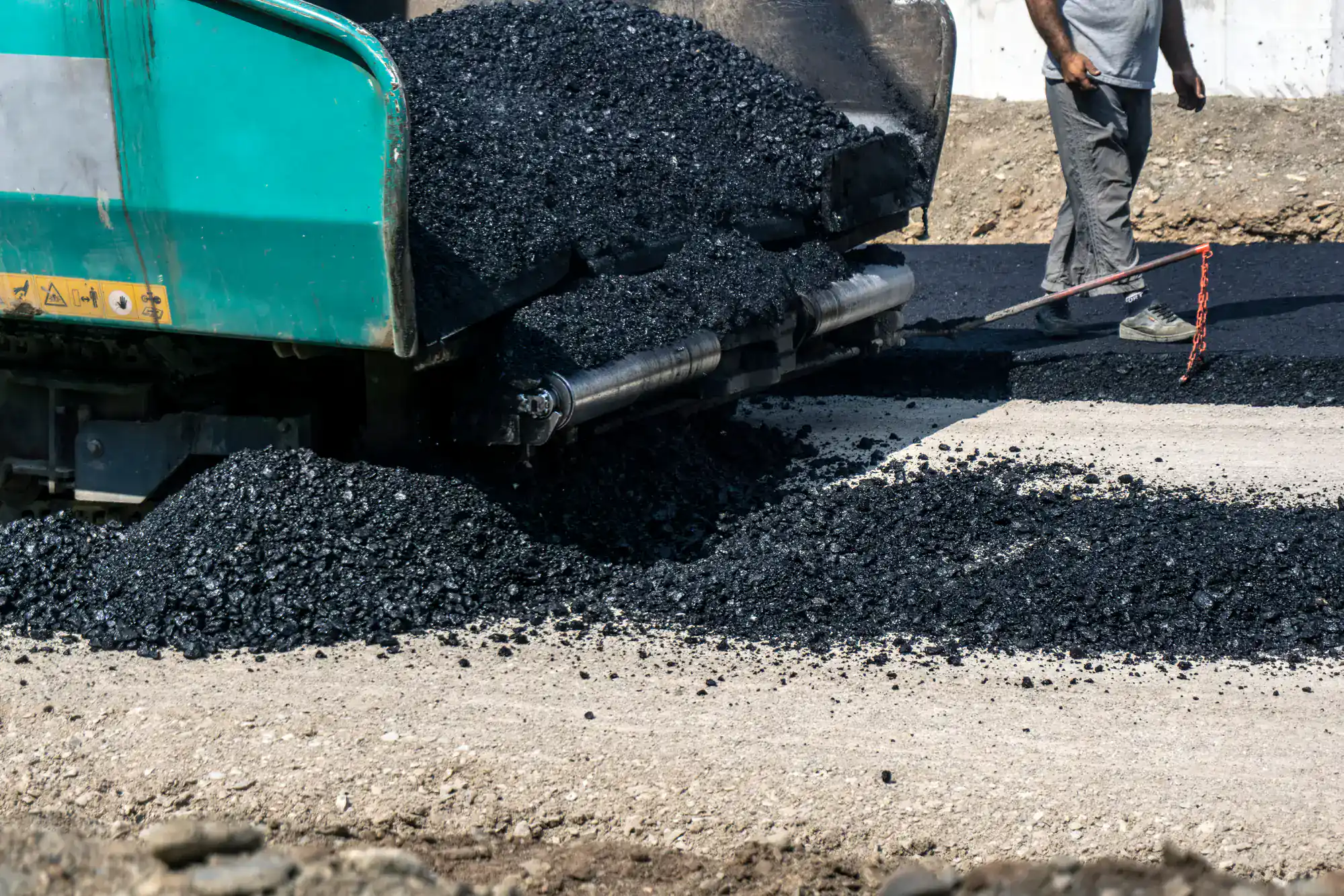
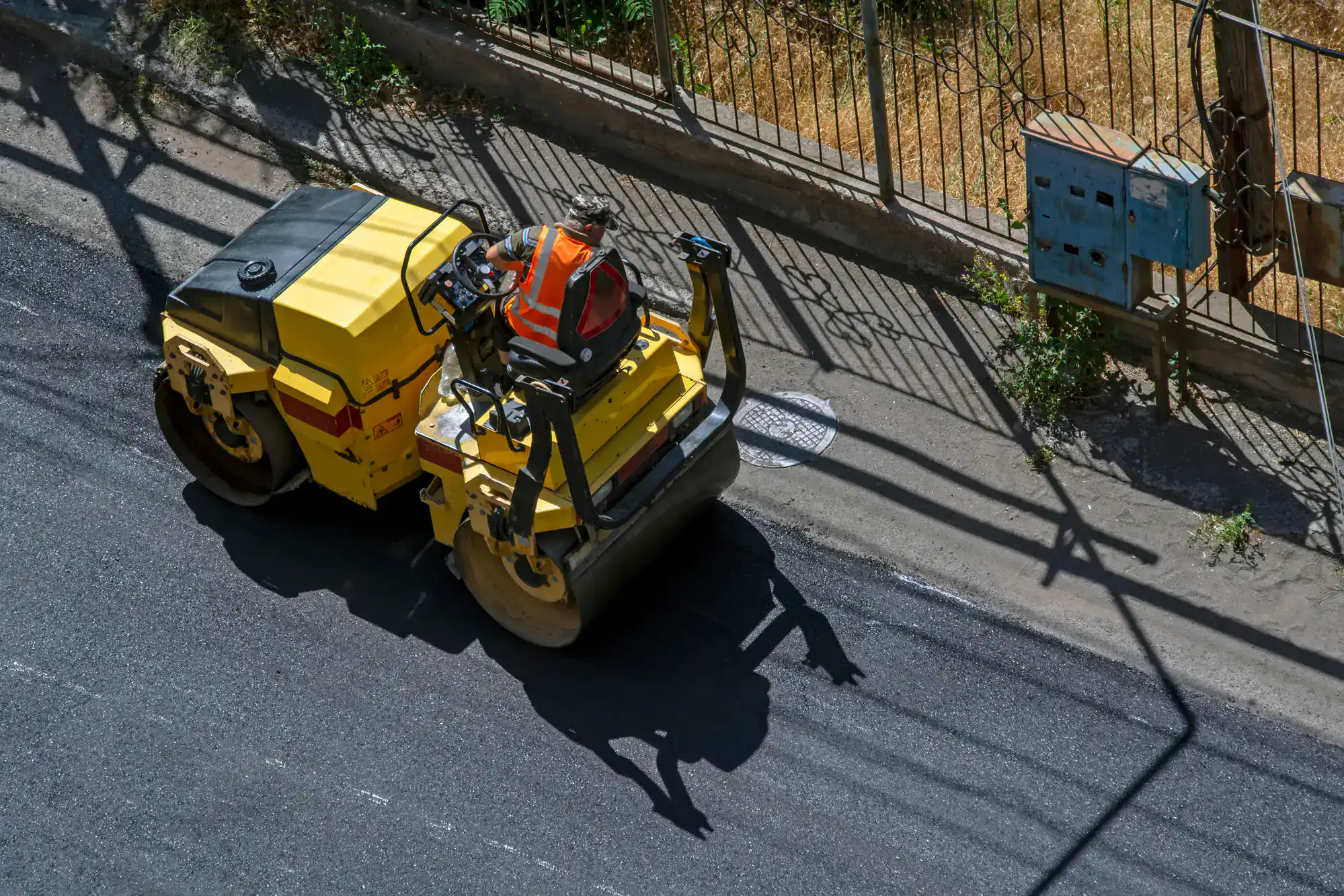
Once the project starts, our crew preps the site properly. That means grading, compacting the base, and making sure water has somewhere to go besides sitting on your asphalt. Then comes the paving itself, using modern equipment to lay a smooth, even surface. We work in phases if needed so your business stays accessible. You’re not shutting down for days while work drags on.
After the asphalt is down, it needs time to cure before heavy traffic. You’ll know exactly when you can open the lot back up. And if you have questions during the process, you can get answers—not voicemail.
Ready to get started?
Commercial paving in Fuller Heights isn’t just about laying asphalt. It’s about creating a surface that functions properly for your specific property and traffic patterns.
For new installations, that means proper site prep and base work. The soil in this part of Polk County can be tricky—sandy in some areas, which affects how the base needs to be compacted. Skip that step or rush through it, and you’ll see settling and cracking within the first year.
For existing lots, the approach depends on what’s failing. Sometimes you need a full removal and replacement. Other times, resurfacing or targeted repairs make more sense. An honest assessment tells you which route actually solves the problem instead of just covering it up temporarily.
Drainage is critical in Fuller Heights. The area gets its share of afternoon storms, and water that doesn’t drain properly will destroy asphalt faster than almost anything else. That’s why every commercial parking lot paving project includes proper slope and drainage planning.
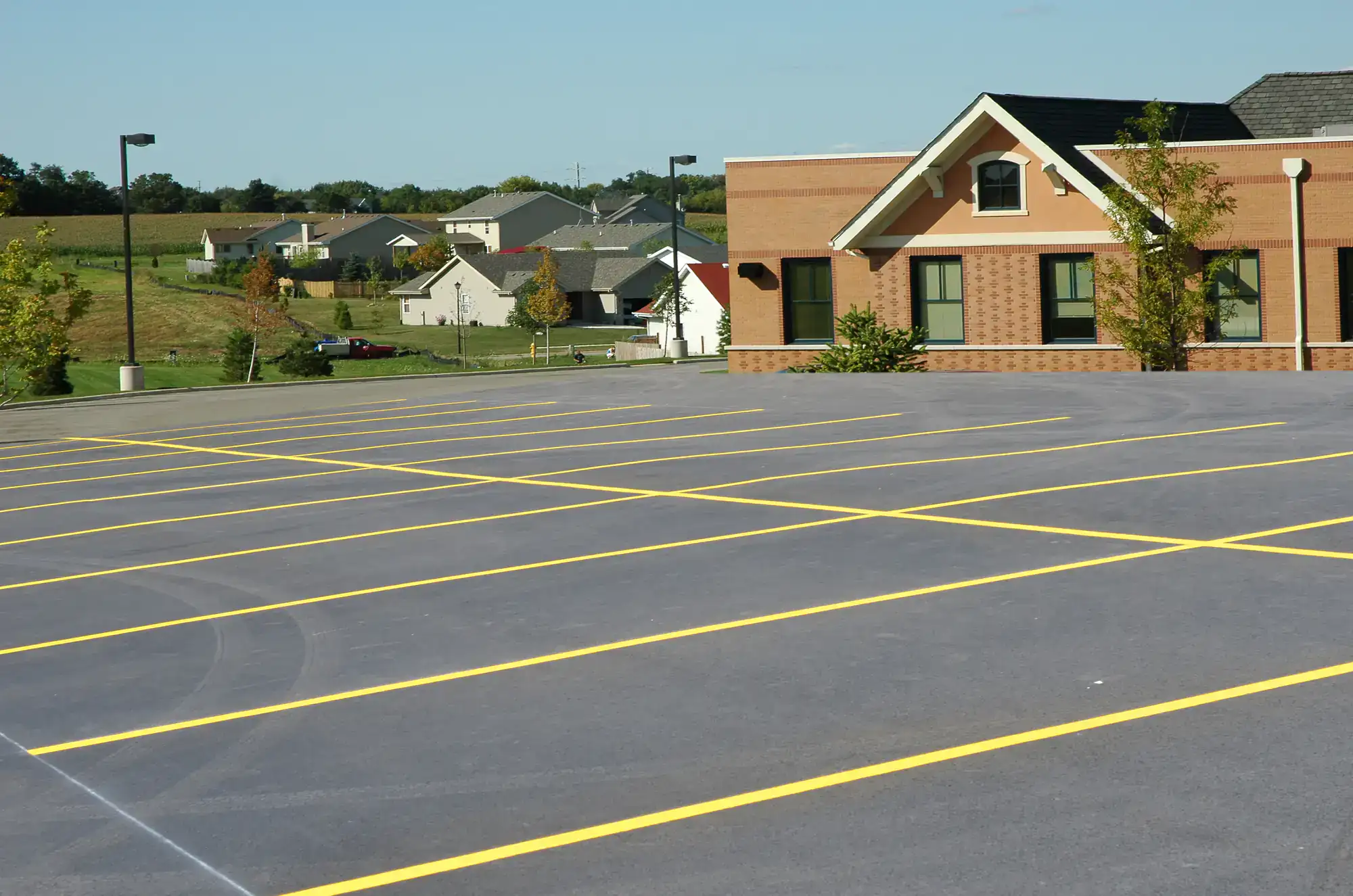
You also need line striping, ADA-compliant spaces, and clear traffic flow. Those aren’t extras—they’re part of having a functional parking lot that works for your customers and keeps you compliant.
The goal is a parking lot that handles daily use, looks professional, and doesn’t become a maintenance headache. That’s what you should expect from any commercial paving contractor working in Fuller Heights.
It depends on the size of your lot and what kind of work you need done. A typical commercial parking lot paving project for a small to mid-size business might take anywhere from three to seven days from start to finish. That includes site prep, base work, paving, and striping.
Larger projects or properties with drainage issues can take longer. If you’re doing a full removal and replacement instead of just resurfacing, add time for demolition and hauling away the old asphalt. Weather also plays a role—you can’t pave in the rain, and Florida’s afternoon storms can push timelines back a day here and there.
The key is planning the work in phases so your business stays accessible. We work with you to schedule the heaviest disruption during off-hours or slower days. You’ll get a realistic timeline upfront, not an optimistic guess that falls apart once work starts.
Commercial parking lots deal with heavier loads, more traffic, and stricter requirements than residential driveways. You’re not just paving a path for a few cars—you’re building a surface that might handle delivery trucks, constant turning movements, and dozens or hundreds of vehicles daily.
That means thicker asphalt, better base preparation, and more attention to drainage. A commercial lot also needs proper striping, ADA-compliant accessible spaces, and clear traffic patterns. You can’t just eyeball where the lines go—there are specific requirements for parking space dimensions, aisle widths, and accessible routes.
In Fuller Heights, commercial properties also need to think about long-term maintenance differently. A driveway that starts showing wear after ten years might be fine for a homeowner. A commercial lot showing that same wear could create liability issues or hurt your business image. That’s why the installation quality matters more upfront—you’re making a bigger investment, but you need it to last longer and perform better under tougher conditions.
Florida weather is brutal on asphalt. The intense UV exposure breaks down the binders that hold asphalt together, making it brittle over time. Add in heat that can make surface temperatures exceed 140 degrees, and you’ve got conditions that accelerate aging faster than in most other climates.
Rain and humidity create their own problems. Water that penetrates the asphalt surface or seeps up from below weakens the base and causes cracking. In Fuller Heights, afternoon thunderstorms are common, and if your lot doesn’t have proper drainage, that water sits and does damage. The freeze-thaw cycles that destroy northern pavement aren’t an issue here, but the constant moisture and heat combination is just as destructive in different ways.
That’s why commercial paving in Fuller Heights requires techniques suited to the local climate. Proper compaction, quality materials, and drainage planning aren’t optional extras—they’re essential to getting asphalt that lasts. Regular maintenance like sealcoating also makes a difference, protecting the surface from UV and water penetration. Without it, you’ll see deterioration much faster than the asphalt’s potential lifespan.
Resurfacing makes sense when your asphalt’s base is still solid but the top layer is showing wear—minor cracking, fading, rough texture, or small areas of damage. Essentially, you’re adding a new layer of asphalt over the existing surface after making any necessary repairs. It costs less than full replacement and can add years to your lot’s life.
Full replacement is necessary when you have major structural problems. If you’re seeing alligator cracking (that webbed pattern that means base failure), significant settling, large potholes, or widespread deterioration, resurfacing won’t fix the underlying issues. You’d just be putting new asphalt over a failing base, and the problems will come right back through the new surface.
An honest commercial paving contractor in Fuller Heights will tell you which approach actually solves your problem. Sometimes property owners want to save money with resurfacing when replacement is really needed, and that ends up costing more in the long run. Other times, contractors push for full replacement when resurfacing would work fine. The right call depends on what’s happening below the surface, not just what you can see on top.
A properly installed commercial parking lot in Fuller Heights should last 15 to 25 years, but that range depends heavily on installation quality, traffic levels, and maintenance. A lot that was installed correctly with good base prep and proper drainage will outlast one where corners were cut, even if they look the same the day they’re finished.
Traffic makes a difference too. A parking lot serving a small office building with light daily use will last longer than one serving a busy retail center with constant turning movements and heavy vehicles. The stress on the asphalt isn’t the same, so the lifespan won’t be either.
Maintenance is the other major factor. Commercial asphalt that gets regular sealcoating, crack filling, and prompt repairs will reach or exceed that 20-year mark. Asphalt that’s ignored until problems get bad might need major work or replacement in half that time. In Fuller Heights, where UV exposure and weather are tough on pavement, staying on top of maintenance isn’t optional if you want to maximize your investment. Small preventive measures cost a fraction of what you’ll spend on major repairs or early replacement.
Not usually, but it depends on your property layout and the scope of work. We can phase the project so you stay accessible to customers. We might work on one section of the lot while keeping another section open, or schedule the heaviest work during off-hours when you’re closed.
For smaller properties where phasing isn’t practical, you might need to close for a day or two during the actual paving. But even then, we work with you to minimize disruption. That might mean scheduling the work over a weekend, coordinating with your slower season, or finding temporary parking arrangements for customers and employees.
The key is communication upfront. When you’re getting estimates for commercial parking lot paving in Fuller Heights, ask how the contractor plans to manage access during construction. A good answer includes specific details about phasing, timing, and how they’ll keep your business operational. A vague answer or a contractor who doesn’t seem concerned about your business needs should raise questions. You shouldn’t have to shut down for a week because someone didn’t plan the work properly.
Other Services we provide in Fuller Heights