Asphalt Maintenance in Bradley Junction

Your Asphalt Investment Protected Right

Professional maintenance that actually extends your pavement’s life in Florida’s demanding climate, saving you thousands in premature replacements.
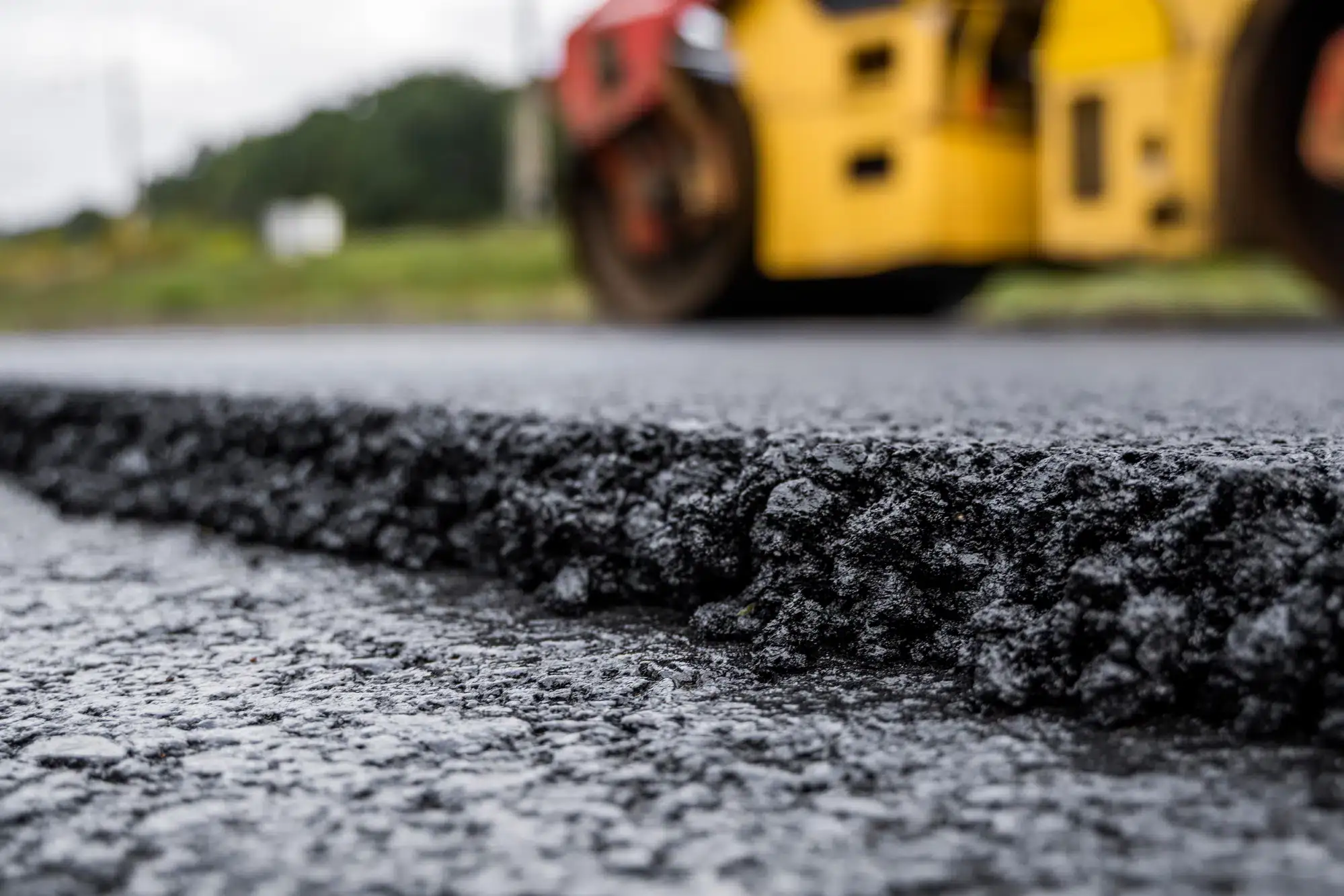
Close-up of freshly laid asphalt with construction equipment in the background.

Hear from Our Customers

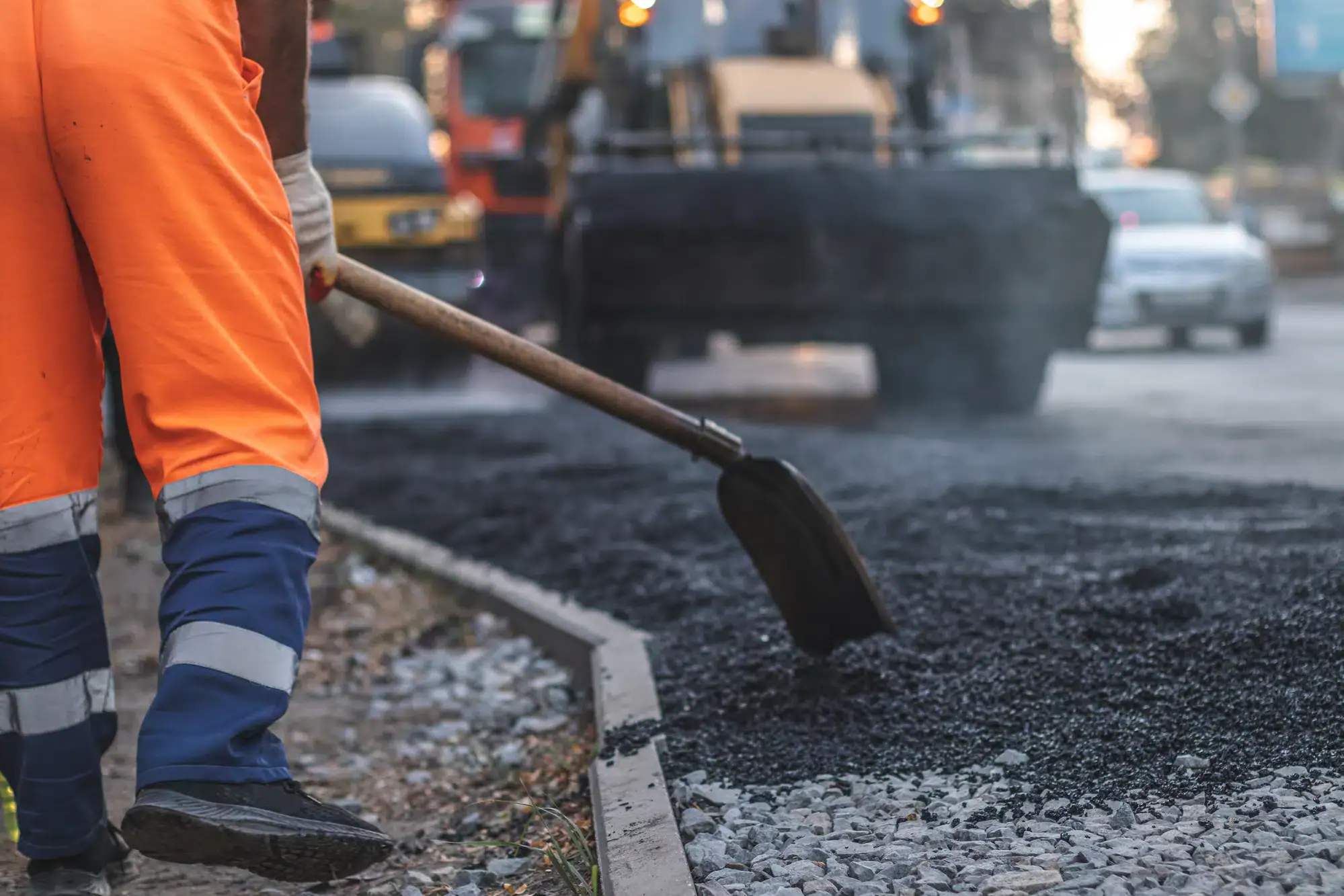
Asphalt paving worker spreading fresh asphalt on a road during construction.

Bradley Junction Asphalt Services

What Proper Maintenance Actually Delivers

Your asphalt doesn’t have to crack and fail in three years. With the right maintenance approach, you’re looking at 20-30 years of solid performance, even with Florida’s brutal sun and sudden downpours working against you every day.

The difference is addressing small issues while they’re still small. A crack sealed today prevents the water infiltration that creates tomorrow’s pothole. Sealcoating applied every 2-3 years shields your investment from UV damage that would otherwise leave you with brittle, failing pavement.

You end up with surfaces that look professional, perform safely, and don’t drain your maintenance budget with emergency repairs. That’s what happens when maintenance is done right, not when it’s done cheap.

Central Florida Paving Experts

We Actually Understand Florida Asphalt

We’ve been handling asphalt maintenance in Bradley Junction and surrounding areas long enough to know what works and what doesn’t in this climate. We’ve seen what happens when corners are cut, and we’ve built our approach around preventing those problems.

Our team focuses on clear communication from estimate to completion. No surprises, no hidden costs, no wondering what’s happening with your project. We explain what needs to be done, why it needs to be done, and what you can expect afterward.

Bradley Junction properties face the same challenges as the rest of Central Florida – intense UV exposure, heavy rainfall, and humidity that never seems to let up. We’ve developed our maintenance programs specifically for these conditions, not some generic approach that might work somewhere else.
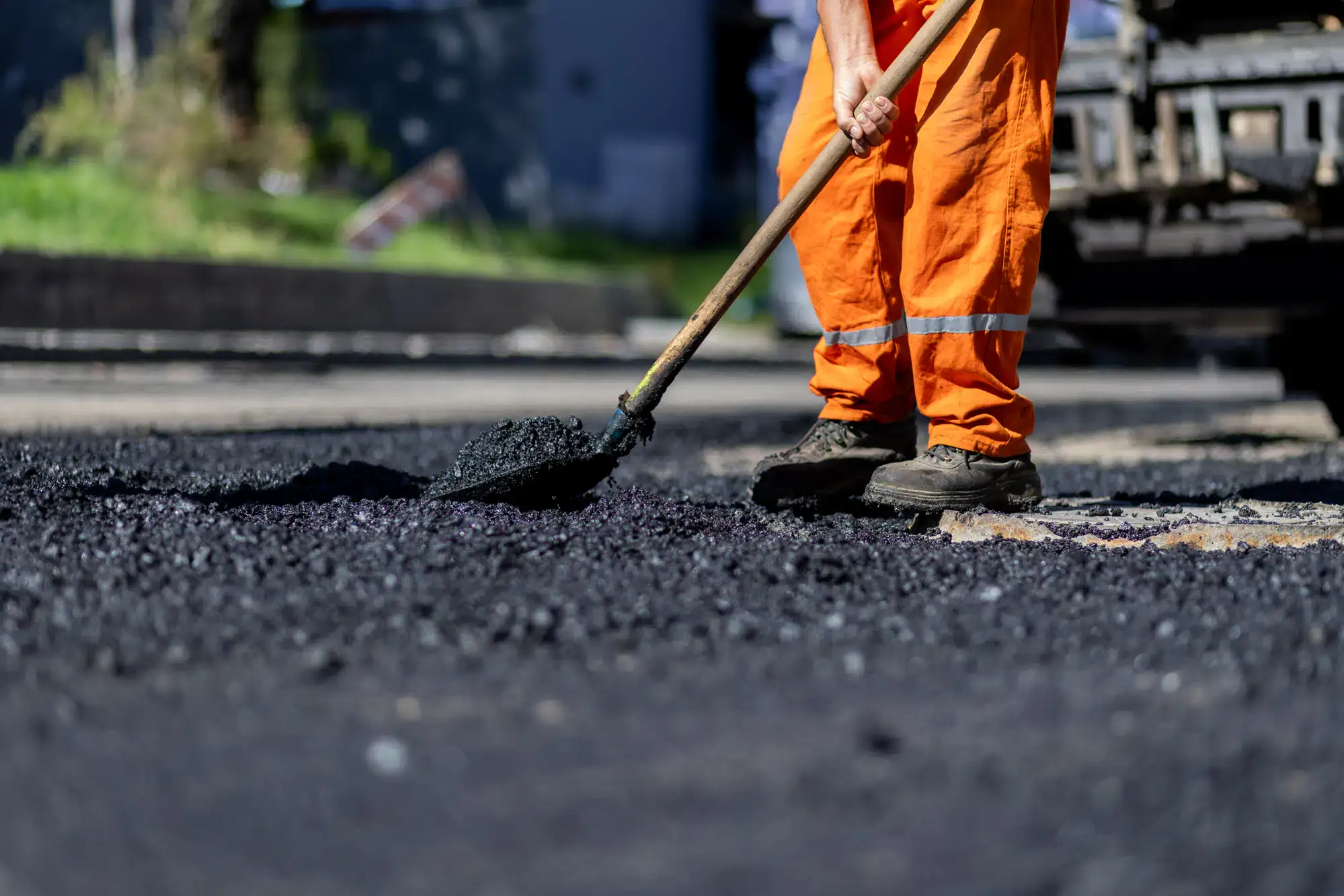
Asphalt paving worker laying fresh asphalt for a driveway or road construction project.

Asphalt Maintenance Process Florida

How We Actually Protect Your Investment

First, we evaluate your current asphalt condition and identify what needs immediate attention versus what can be scheduled for optimal timing. This isn’t about selling you everything at once – it’s about creating a maintenance plan that makes financial sense.

Next, we handle the critical repairs first. Cracks get properly sealed to prevent water infiltration. Areas showing early distress get addressed before they become major problems. We use materials specifically rated for Florida’s temperature extremes and UV exposure.

Finally, we apply protective treatments like sealcoating when conditions are right – typically during the dry season when curing can happen properly. You get a maintenance schedule that works with Florida’s weather patterns, not against them. The result is asphalt that performs as it should, for as long as it should.
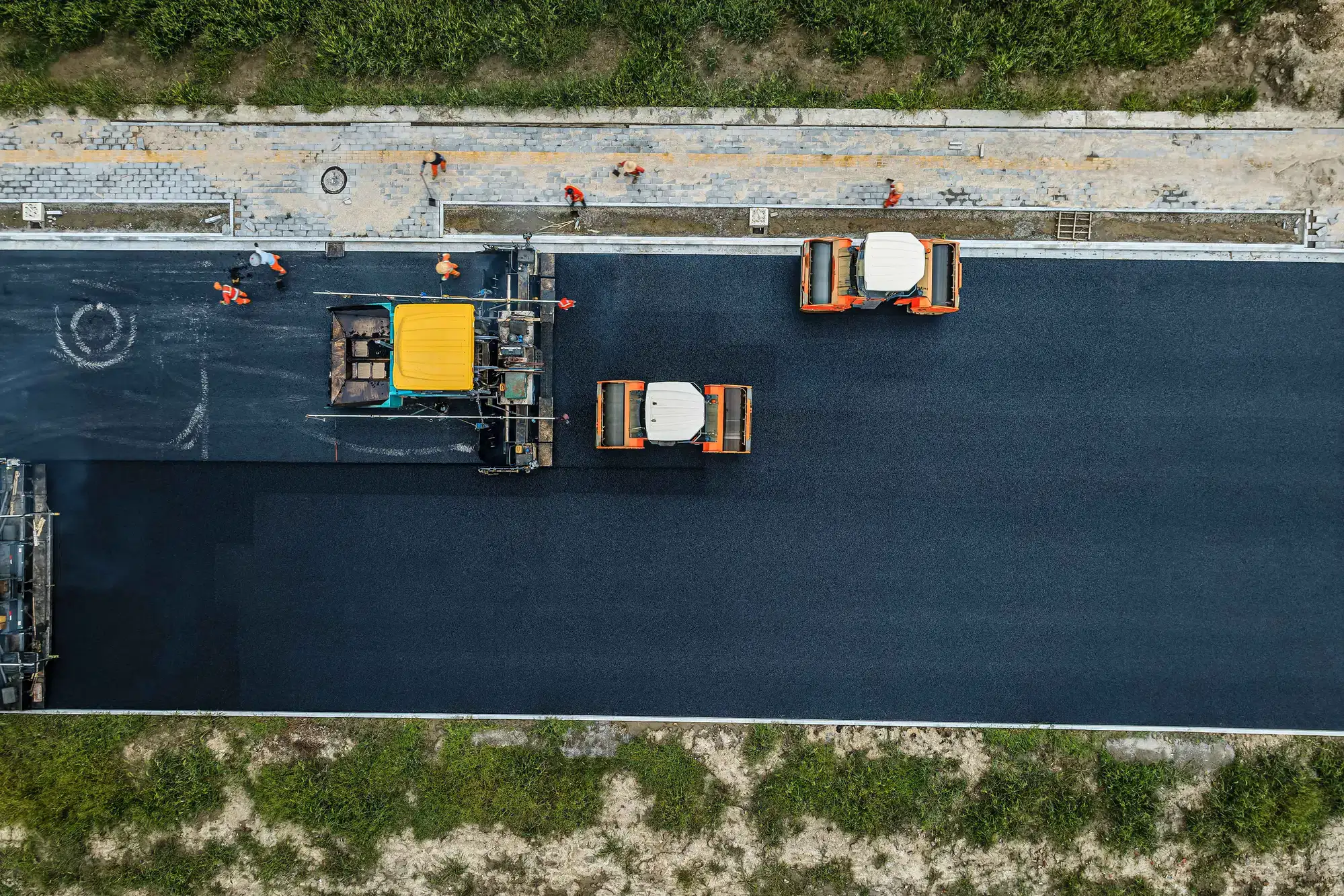
Asphalt paving process on street in Central Florida, paving contractors installing fresh blacktop.

Ready to get started?

Explore More Services

About Central Florida Blacktop Paving

Get a Free Consultation

Florida Climate Asphalt Solutions

What Florida Properties Actually Need

Florida asphalt faces unique stressors that require specific solutions. The intense UV radiation breaks down asphalt binders faster than in northern climates. Heavy rainfall and poor drainage create water infiltration issues that can destroy pavement from underneath. High humidity affects curing times and material performance.

Our maintenance approach addresses these specific challenges. We use UV-resistant sealcoating materials that actually protect against oxidation. Our crack sealing prevents the water infiltration that’s particularly damaging in Florida’s wet season. We schedule work during optimal weather windows to ensure proper curing and performance.

Bradley Junction properties benefit from maintenance timing that works with local weather patterns. We don’t try to sealcoat during hurricane season or apply treatments when humidity levels prevent proper adhesion. This attention to local conditions is what separates effective maintenance from wasted money.
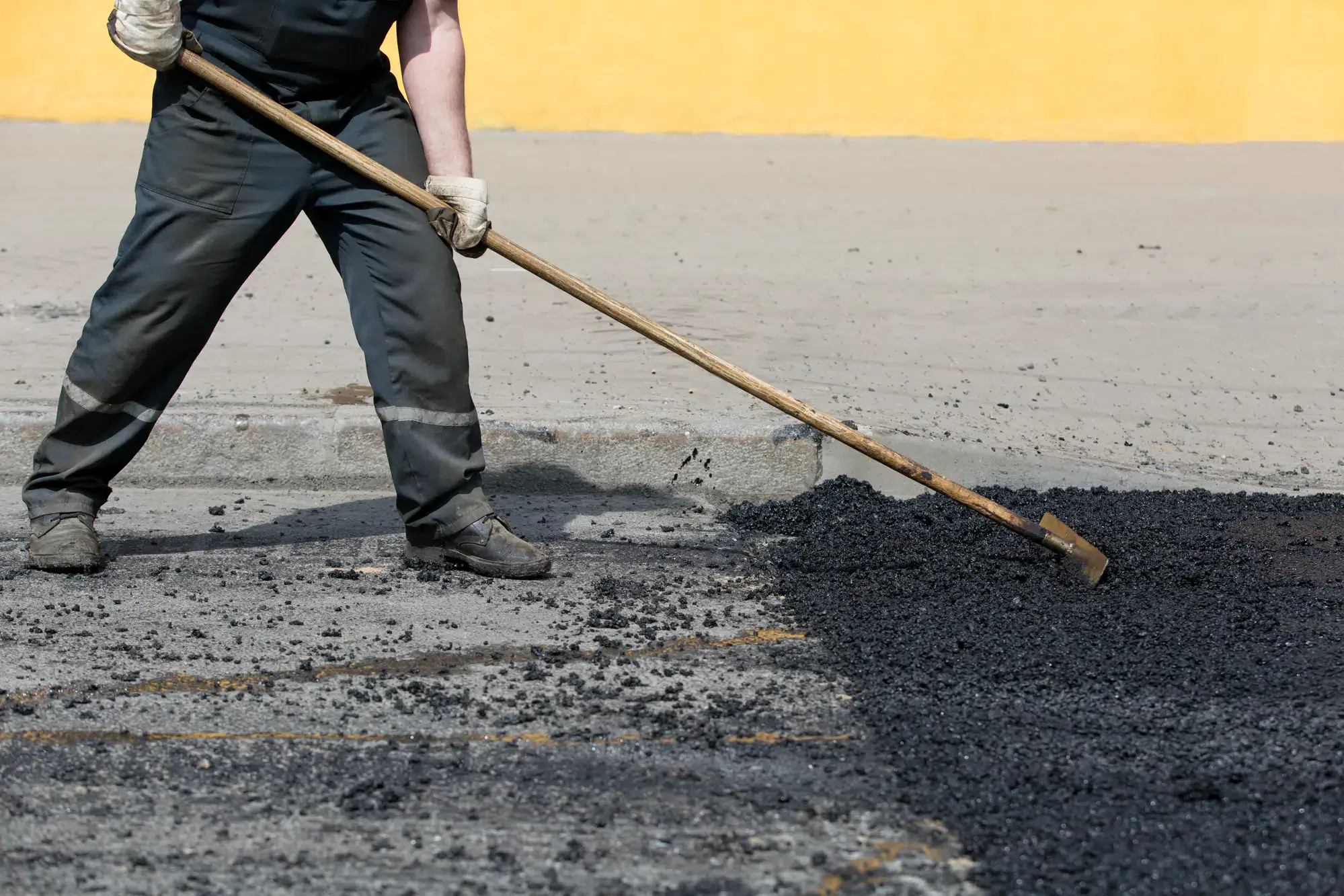
Asphalt paving worker spreading fresh asphalt on a road.

How often should I reseal my asphalt in Florida's climate?

In Florida, experts recommend resealing every 2-3 years due to the harsh effects of UV radiation, humidity, and frequent rainfall. This is more frequent than northern climates because Florida’s intense sun accelerates the oxidation process that breaks down asphalt.The exact timing depends on your specific conditions – parking lots with heavy traffic may need attention sooner, while residential driveways might stretch closer to three years. We evaluate the actual condition of your asphalt rather than following a rigid schedule.Signs that resealing is needed include fading from black to gray, small cracks beginning to appear, or areas where water no longer beads up on the surface. Waiting too long means you’re looking at repairs instead of just maintenance.
Delaying maintenance in Florida’s climate creates a cascade of problems that get expensive quickly. Small cracks allow water infiltration, which is particularly damaging during Florida’s heavy rain seasons. Once water reaches the base layers, you’re looking at structural failure rather than surface issues.UV damage accelerates without protective sealcoating, making the asphalt brittle and prone to cracking. What starts as minor surface oxidation becomes deep deterioration that requires complete resurfacing or replacement rather than simple maintenance.The cost difference is significant – preventive sealcoating might cost $0.15-$0.30 per square foot, while full replacement can exceed $3.00 per square foot. Delaying maintenance doesn’t save money; it just shifts the cost to a much larger bill later.
Effective asphalt maintenance requires dry conditions for proper curing, which makes timing crucial in Florida. We typically schedule major maintenance work during the dry season (late winter through spring) when weather conditions allow materials to cure properly.Even light moisture can compromise sealcoating adhesion and crack sealing effectiveness. We monitor weather forecasts carefully and will reschedule work rather than apply treatments that won’t perform as intended.Emergency repairs can sometimes be handled with specialized materials designed for wet conditions, but planned maintenance gets better results when we can control the timing. This is why we work with customers to develop maintenance schedules that align with Florida’s weather patterns rather than fighting against them.
In Florida’s climate, unsealed cracks become major problems fast. Water infiltration during heavy rains reaches the base layers and creates structural damage that’s expensive to repair. The freeze-thaw cycles that affect northern climates aren’t the main issue here – it’s constant moisture and heat expansion.Proper crack sealing uses rubberized materials that flex with temperature changes and prevent water penetration. This stops small cracks from becoming large cracks, and large cracks from becoming potholes.The cost difference is dramatic – crack sealing is measured in hundreds of dollars, while repairing the structural damage from water infiltration can run into thousands. It’s not just about appearance; it’s about preventing the kind of damage that requires complete pavement reconstruction.
The key indicators are the extent and type of damage you’re seeing. Surface issues like fading, minor cracking, or small areas of deterioration usually respond well to maintenance. Deep cracks, potholes, or areas where the asphalt is breaking apart typically indicate more serious problems.We look at the overall condition, not just individual problem spots. If more than 25-30% of the surface shows significant distress, replacement might be more cost-effective than trying to patch everything. Age is also a factor – asphalt that’s approaching 20-25 years old may be reaching the end of its service life regardless of appearance.The best approach is professional evaluation before problems become obvious. We can identify early warning signs and recommend whether maintenance will extend the life meaningfully or if you’re better off planning for replacement.
Central Florida’s combination of intense UV radiation, high humidity, and heavy seasonal rainfall creates unique challenges that require specific approaches. The UV exposure is more intense than northern climates, accelerating oxidation and requiring more frequent protective treatments.Humidity affects how materials cure and perform, requiring us to adjust application techniques and timing. The heavy rainfall during summer months means drainage becomes critical – standing water can destroy asphalt from underneath in ways that don’t happen in drier climates.We also deal with temperature extremes that cause expansion and contraction stress, plus the occasional hurricane or tropical storm that can cause sudden, severe damage. Our maintenance programs account for these local factors rather than using generic approaches that might work elsewhere but fail in Florida’s demanding environment.

Other Services we provide in Bradley Junction