Asphalt Paving in Galloway, FL

Florida-Tough Asphalt That Actually Lasts

Your asphalt needs to handle 90-degree heat, torrential downpours, and everything Florida throws at it.
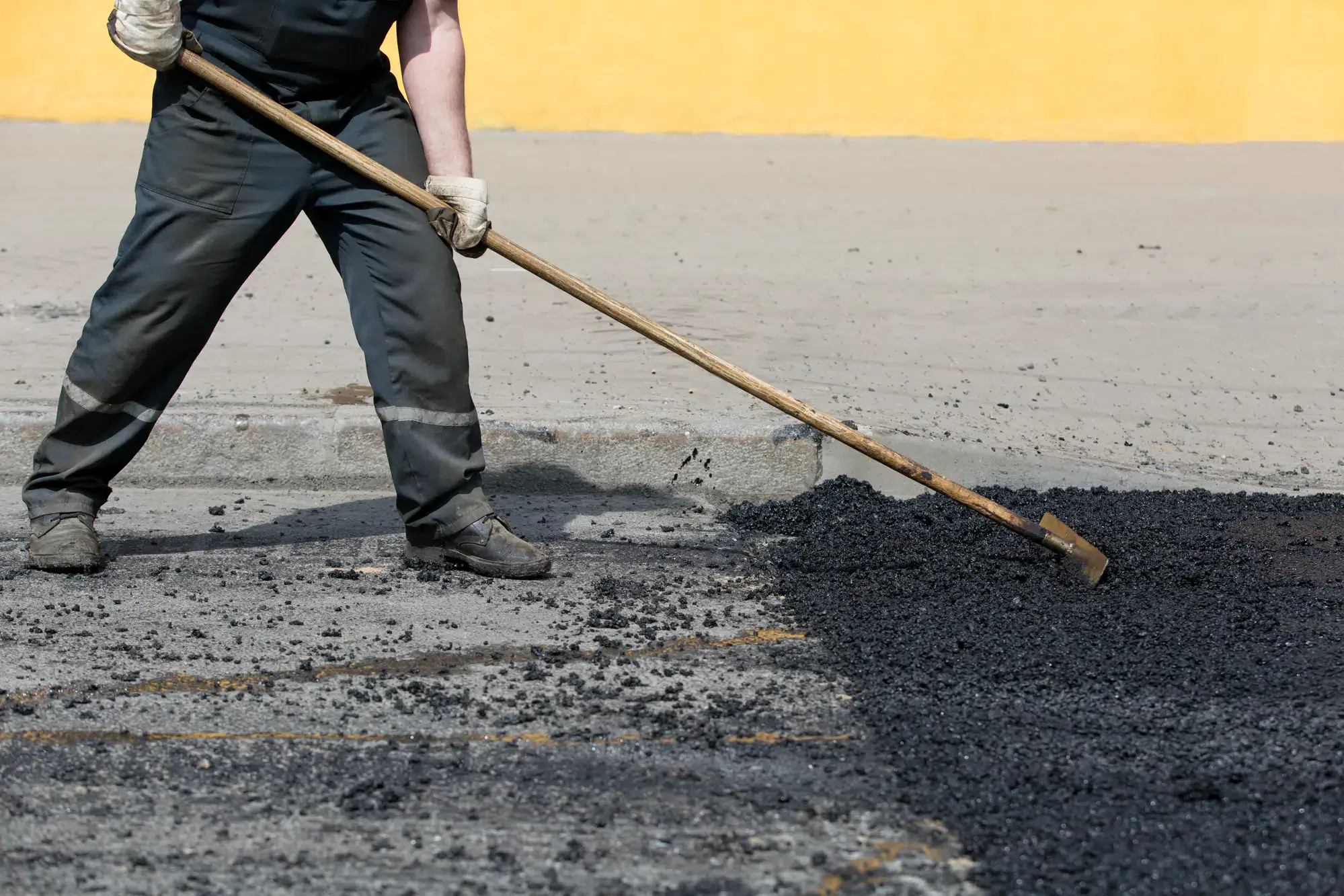
Asphalt paving worker spreading fresh asphalt on a road.

Hear from Our Customers

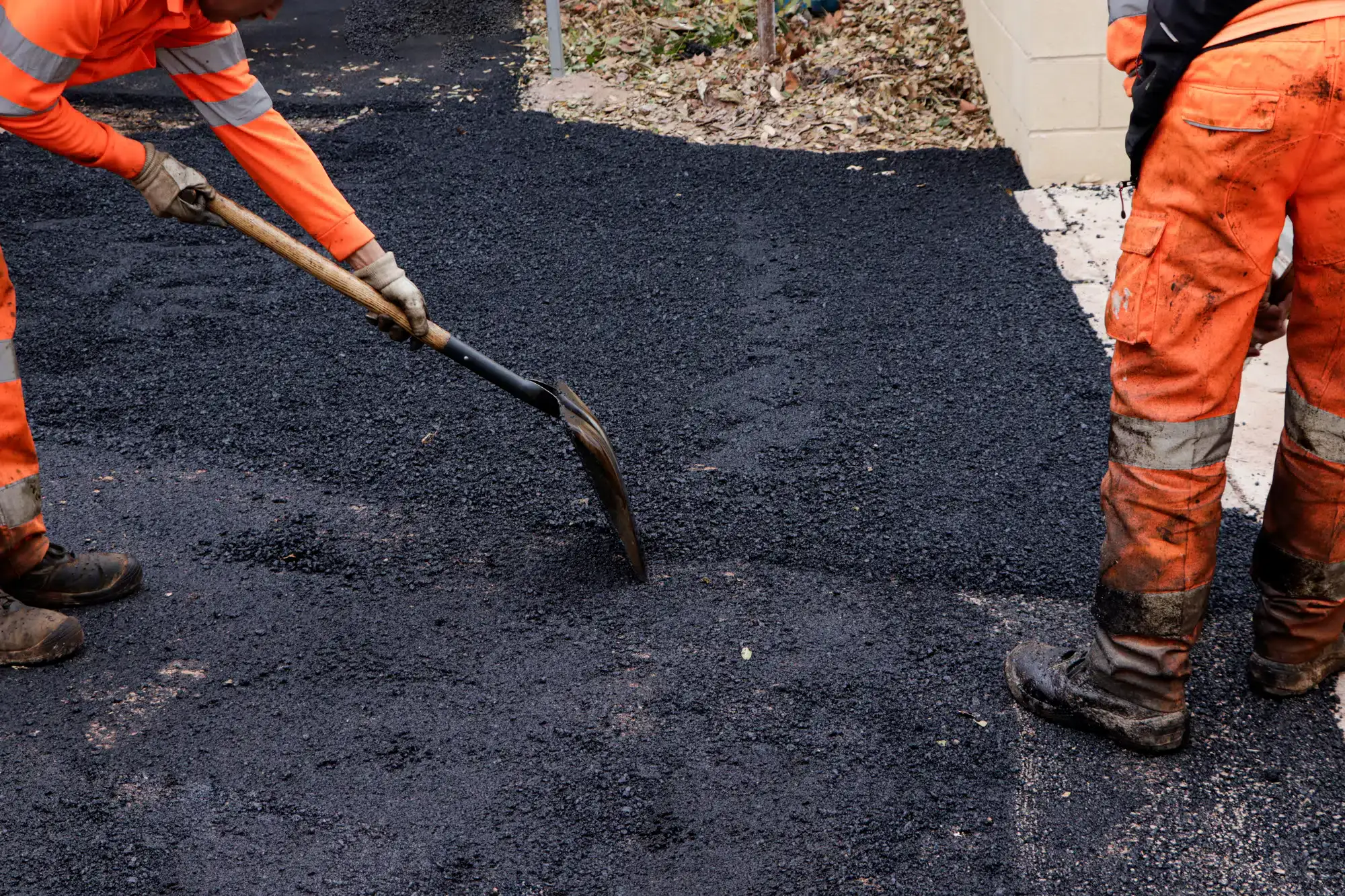
Asphalt paving workers laying fresh blacktop for a driveway or parking lot.

Professional Asphalt Contractor Galloway

Surfaces Built for Florida's Brutal Climate

Florida’s weather isn’t kind to asphalt. Summer temperatures push surface heat past 140°F. Afternoon thunderstorms dump inches of rain in minutes. Most contractors treat Florida like any other state—and their work shows it within months.

You need asphalt that’s engineered for this climate. Properly mixed materials that won’t soften in the heat. Drainage systems that handle sudden downpours. Construction techniques that account for humidity and temperature swings.

When your asphalt is done right, you get smooth surfaces that stay intact year after year. No cracking from thermal expansion. No water pooling that leads to potholes. Just reliable pavement that handles Florida’s extremes without breaking down.

Experienced Paving Contractor Galloway FL

Clear Agreements, Good Friends

That’s been our approach since we started serving Central Florida. We focus exclusively on asphalt—no concrete, no pavers—because specialization matters when you’re dealing with Florida’s challenging climate.

We’ve built our reputation on attention to detail and clear communication. You’ll know exactly what’s happening at every step, from initial assessment through final compaction. No surprises, no excuses, just straightforward work that stands up to scrutiny.

Galloway property owners choose us because we understand local conditions. We know how afternoon storms affect curing times. We account for the sandy soils common in this area. And we use materials specifically rated for Florida’s temperature extremes.
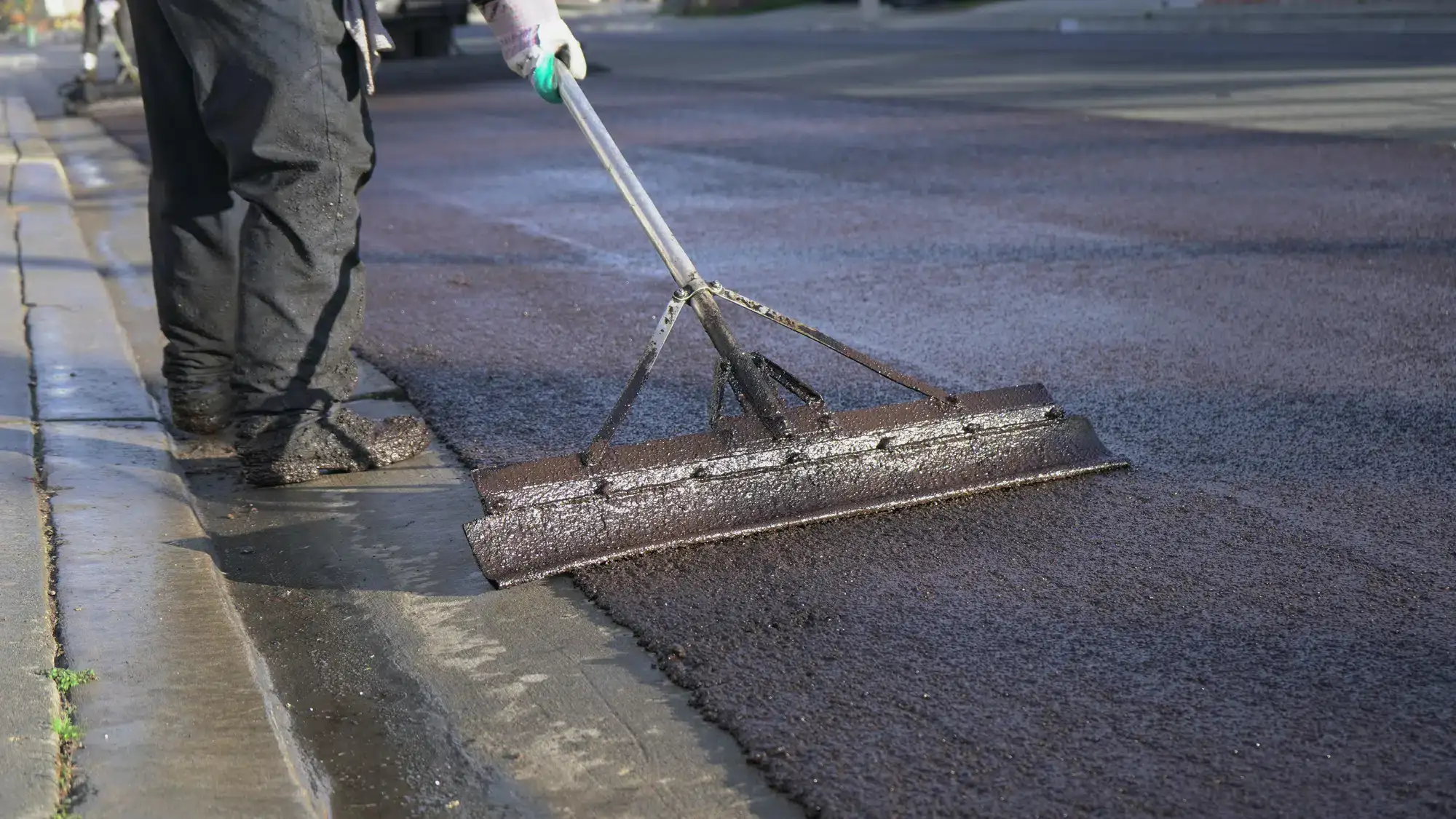
Asphalt paving being laid on a street with asphalt rake in use by Central Florida Blacktop Paving for professional driveway and road construction in Florida.

Asphalt Installation Process Galloway

The Right Way, Every Step

First, we evaluate your subgrade conditions and drainage needs. Florida’s sandy soils and heavy rainfall require specific preparation techniques. We remove any soft spots and ensure proper compaction—because a weak foundation means premature failure.

Next comes base preparation with the right materials for local conditions. We grade for positive drainage with minimum 2% slope toward storm drains. Water that can’t escape will find its way into your pavement structure and cause problems later.

Then we install asphalt using mixes formulated for Florida’s climate. Hot mix arrives at optimal temperature and gets placed with equipment that ensures proper density. We monitor compaction carefully—inadequate rolling leads to early deterioration.

Final steps include proper curing time and any necessary striping or marking. We don’t rush the process because shortcuts show up as failures within the first year.
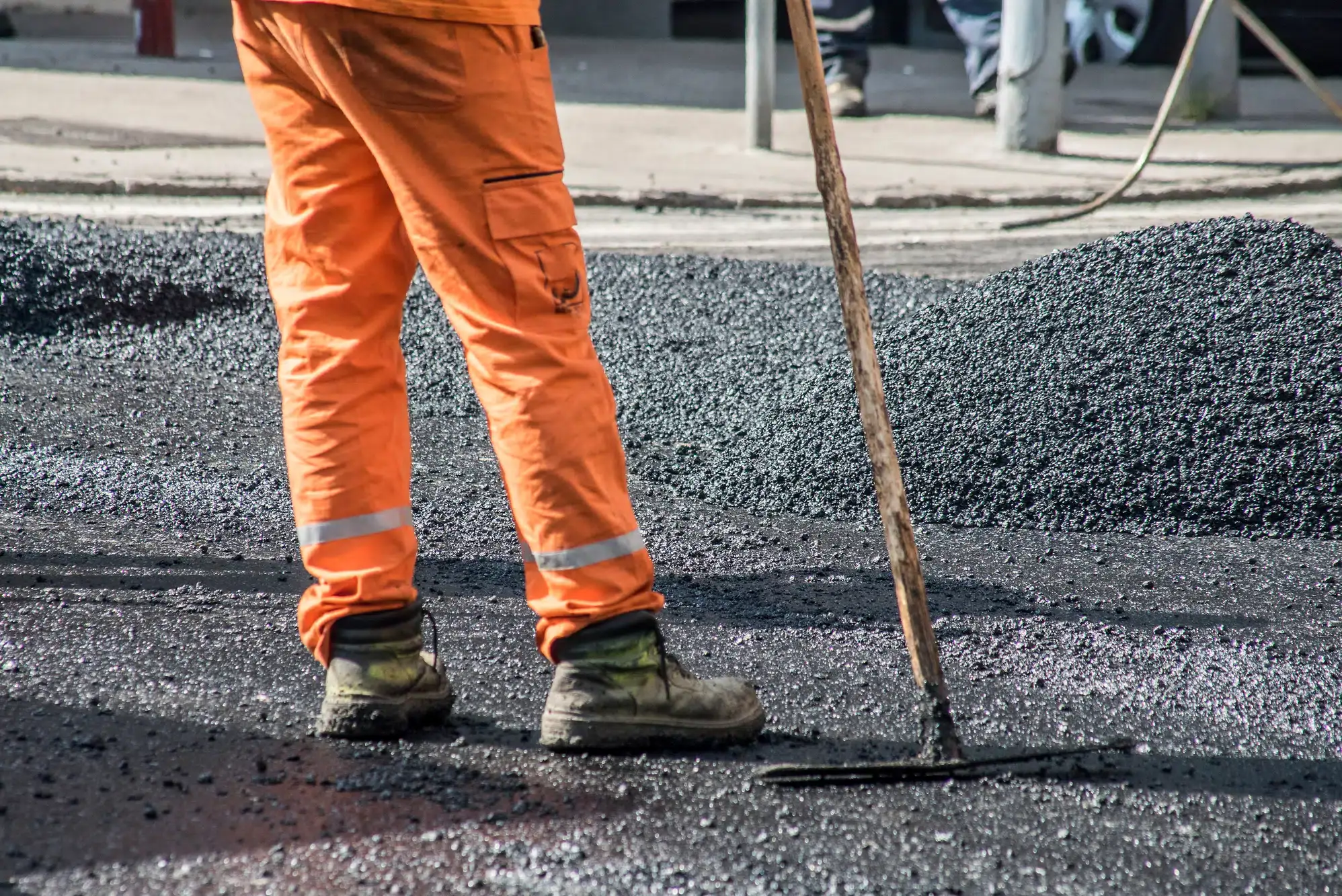
Asphalt paving contractor in Central Florida installing a blacktop driveway.

Ready to get started?

Explore More Services

About Central Florida Blacktop Paving

Get a Free Consultation

Commercial Residential Paving Galloway

Complete Asphalt Solutions for Every Property

Whether you need a residential driveway or a commercial parking lot, the fundamentals remain the same: proper materials, correct installation, and attention to local conditions.

For homeowners in Galloway, we focus on driveways that enhance curb appeal while handling Florida’s weather. Proper thickness for your soil conditions. Drainage that prevents water from pooling near your foundation. Materials that won’t track or become sticky during hot summer days.

Commercial properties get parking lots designed for heavy use and professional appearance. We account for delivery truck traffic in loading areas. Install proper striping for ADA compliance. Design drainage systems that handle Florida’s intense rainfall without creating liability issues.

Every project gets the same careful attention to subgrade preparation, material selection, and installation techniques that make the difference between pavement that lasts decades and surfaces that fail within years.
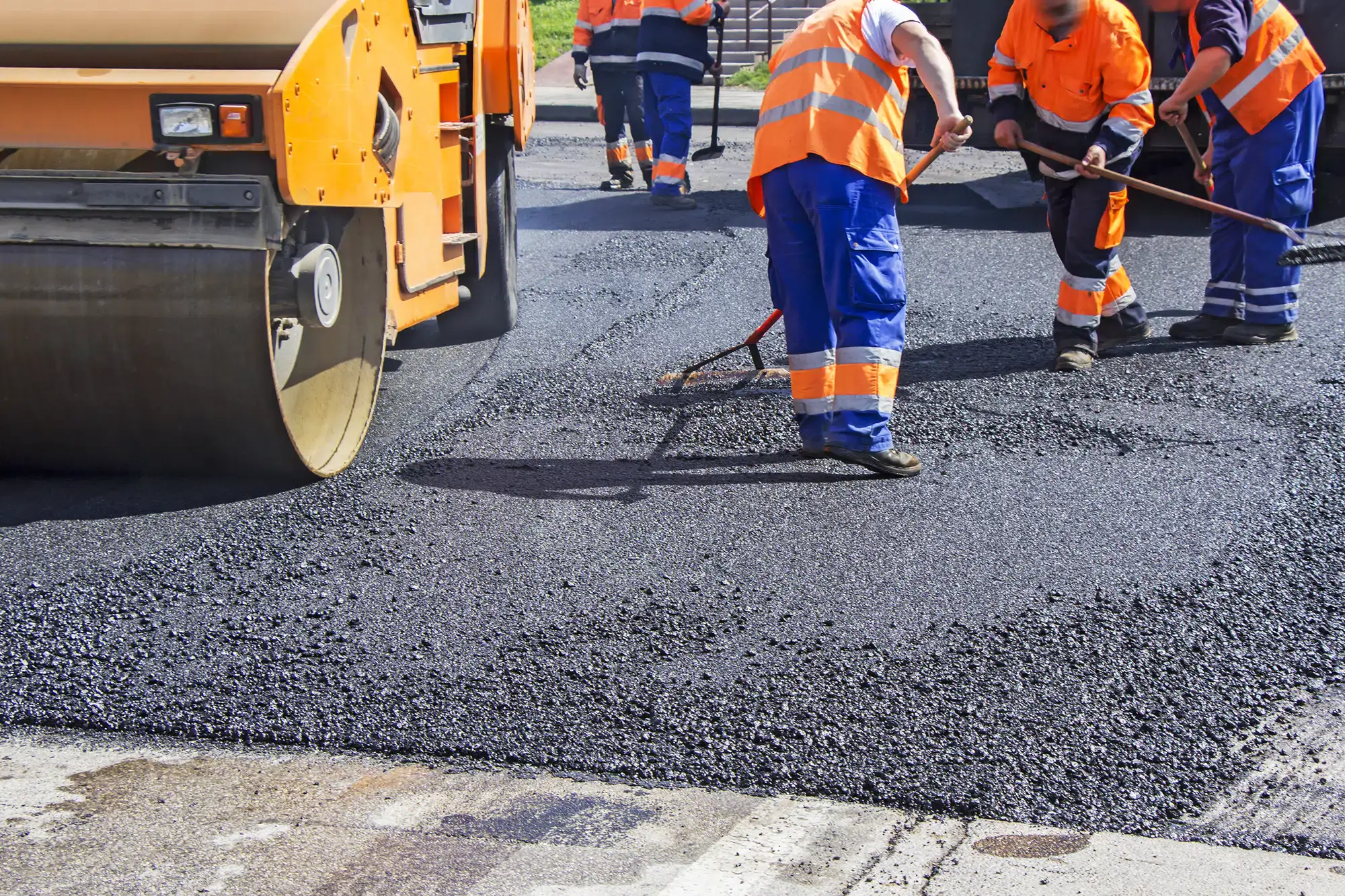
Asphalt paving workers laying fresh blacktop on a road using heavy machinery.

How long does asphalt paving last in Florida's climate?

With proper installation and materials, asphalt should last 15-20 years in Florida, even with our challenging climate. The key is using asphalt mixes specifically rated for high temperatures and designing adequate drainage from the start.Many failures happen because contractors use standard mixes that can’t handle Florida’s heat. When surface temperatures exceed 140°F, inferior asphalt becomes soft and can track or deform. We use polymer-modified binders and aggregates that maintain stability even on the hottest days.Regular maintenance extends lifespan significantly. Sealcoating every 3-5 years protects against UV damage and water infiltration. Prompt crack repair prevents small issues from becoming major problems. With proper care, well-installed asphalt can exceed 20 years of service life.
Asphalt handles Florida’s temperature swings much better than concrete. While concrete tends to crack under thermal stress, asphalt flexes with temperature changes without breaking. This flexibility is crucial when dealing with Florida’s extreme heat followed by sudden cooling from afternoon storms.Asphalt also provides better traction when wet, which matters during Florida’s rainy season. Concrete can become slippery when wet, creating safety issues. Asphalt’s texture maintains grip even during heavy rainfall.Maintenance is simpler too. Small cracks in asphalt can be easily filled and sealed. Concrete repairs are more complex and often more visible. When asphalt needs refreshing, a new surface layer or sealcoat can make it look new again at a fraction of replacement cost.
Drainage design is critical in Florida because we get intense rainfall that can dump several inches in a short time. We design all surfaces with minimum 2% slope toward drainage points—never flat areas where water can pool.Subgrade preparation includes proper grading and compaction to prevent settling that creates low spots. We also ensure the base materials drain well and won’t become saturated during heavy rains. Saturated base materials lose strength and lead to pavement failure.For larger commercial projects, we may recommend additional drainage features like catch basins or underdrain systems. The goal is always to move water away from the pavement structure as quickly as possible. Standing water is asphalt’s biggest enemy in Florida’s climate.
We can work during rainy season, but timing becomes critical. Asphalt can’t be installed when it’s actively raining or when the subgrade is saturated. We monitor weather forecasts carefully and schedule work during dry periods with adequate curing time.Even light moisture can affect asphalt quality. Water causes the oil in fresh asphalt to rise to the surface, affecting both appearance and performance. The subgrade also needs to be firm and dry to provide proper support.We often recommend scheduling major projects during drier months when possible. However, emergency repairs and smaller projects can often be completed during rainy season by working around weather patterns. Clear communication about weather-related delays is part of our process.
Our maintenance services focus on protecting your asphalt investment against Florida’s harsh conditions. Sealcoating is the most important service—it protects against UV damage, water infiltration, and chemical spills while restoring the rich black appearance.Crack sealing prevents small cracks from becoming major problems. In Florida’s climate, even hairline cracks can allow water penetration that leads to base failure. We clean and seal cracks before they spread, using materials designed for our temperature extremes.We also handle patching for areas with more significant damage, resurfacing for worn surfaces, and striping for parking lots. The key is addressing problems early before they require complete replacement. Regular maintenance can double or triple your pavement’s lifespan.
Thickness depends on your specific use and soil conditions, but Florida’s climate requires adequate structure to handle thermal stress. For residential driveways, we typically recommend 2-3 inches of compacted asphalt over a properly prepared base.Commercial parking lots need more structure—usually 3-4 inches of asphalt with areas expecting heavy truck traffic getting additional thickness. The base preparation is just as important as asphalt thickness. We use 6-8 inches of compacted aggregate base on most projects.Skimping on thickness is false economy in Florida. Thin asphalt can’t handle the thermal expansion and contraction from our temperature swings. It also provides less protection for the base materials during heavy rainfall. Proper thickness from the start prevents premature failure and costly repairs.

Other Services we provide in Galloway