Hear from Our Customers
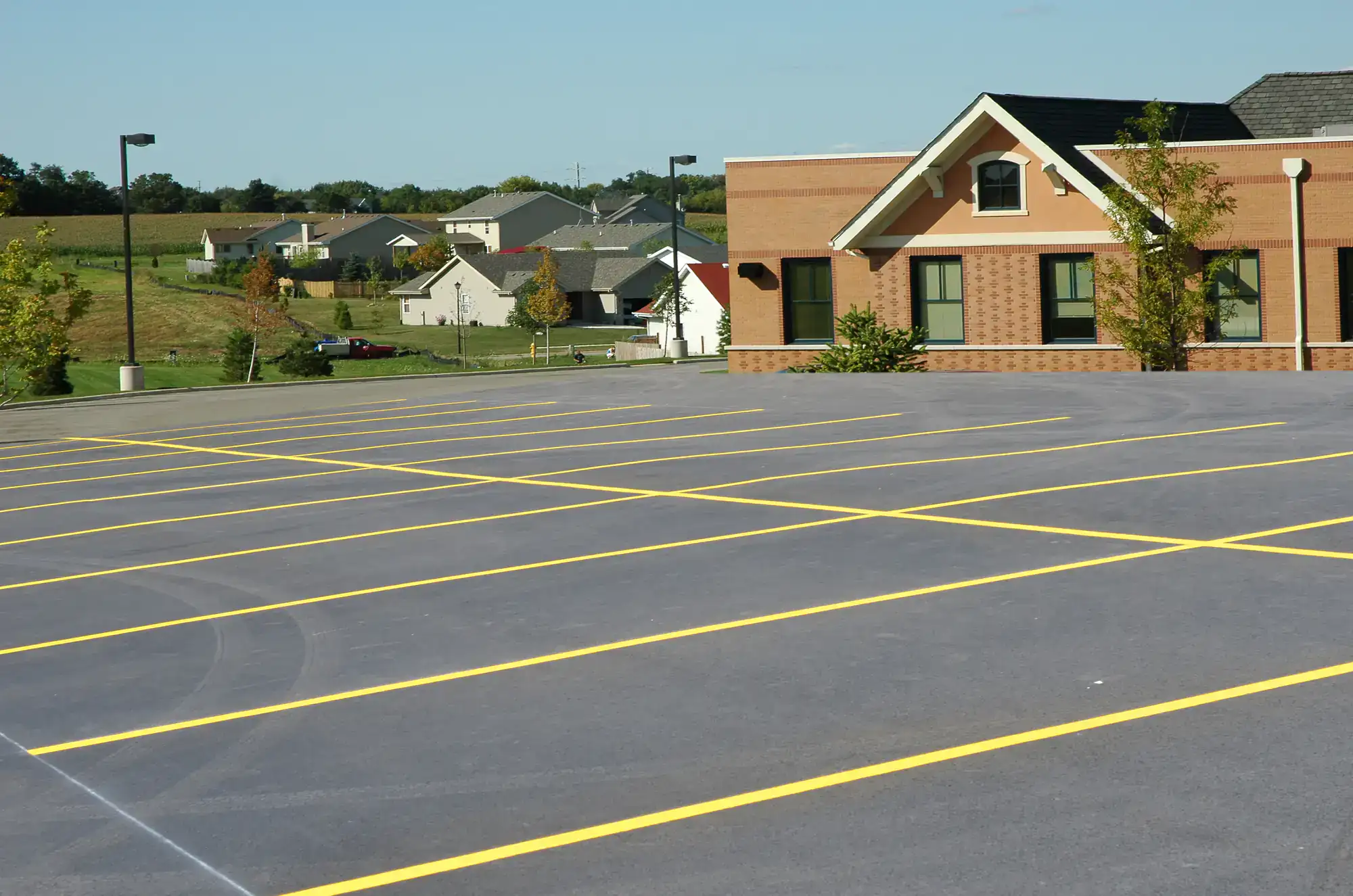
Your parking lot stops being a problem. Customers pull in and see a clean, professional surface that tells them you run a tight operation. No more potholes damaging vehicles or cracks creating liability risks.
The asphalt drains properly when Florida’s afternoon storms roll through. Water flows where it should instead of pooling and seeping into the base, which means you’re not calling for emergency repairs every few months.
Your property stays accessible during work. Phased construction keeps your business running while we handle the heavy lifting. And when we’re done, you’ve got a surface designed to last 20 to 30 years with basic maintenance—not a temporary fix that falls apart in three seasons.
Central Florida Blacktop Paving Inc. operates out of Winter Garden and serves Mountain Lake Station with commercial paving services built around what actually works in this climate. We know how Central Florida’s heat, humidity, and rain cycles affect asphalt differently than other regions.
We handle everything from new parking lot installations to resurfacing existing surfaces that have seen better days. Our focus stays on durable results using modern equipment and proven techniques—not shortcuts that save time now but cost you more later.
Free consultations and transparent pricing mean you know exactly what you’re getting before work starts. Projects stay on schedule and within budget because clear communication matters as much as quality craftsmanship when you’re running a business that can’t afford surprises.
It starts with a site evaluation. We assess your current surface condition, drainage patterns, traffic flow, and any compliance issues that need addressing. You get a detailed estimate that breaks down materials, timeline, and costs without vague language or hidden fees.
Preparation comes next. The existing surface gets milled or removed depending on its condition. The base layer receives proper grading and compaction—usually an 8-inch aggregate base for commercial lots—because this foundation determines how long your pavement actually lasts.
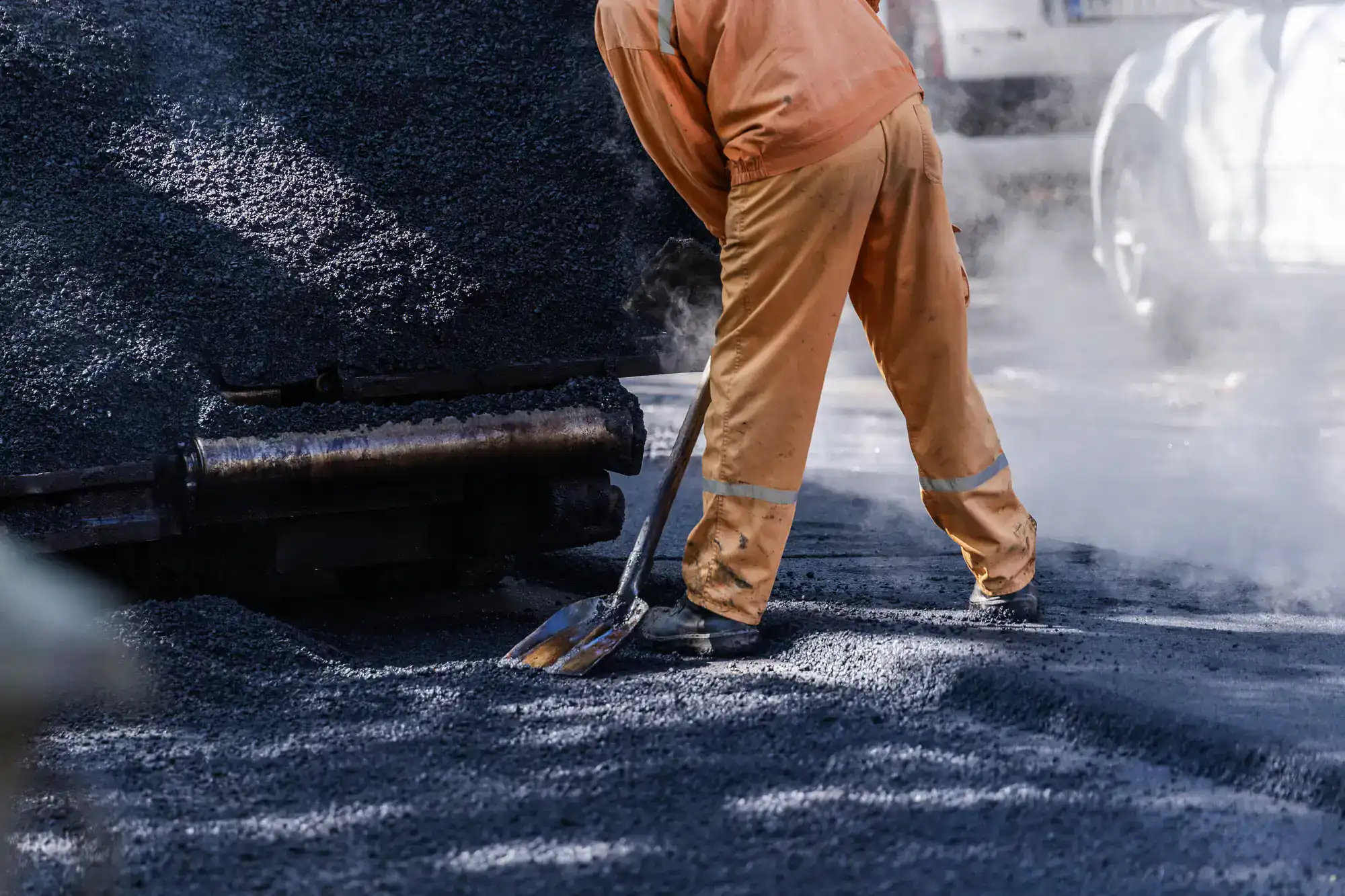
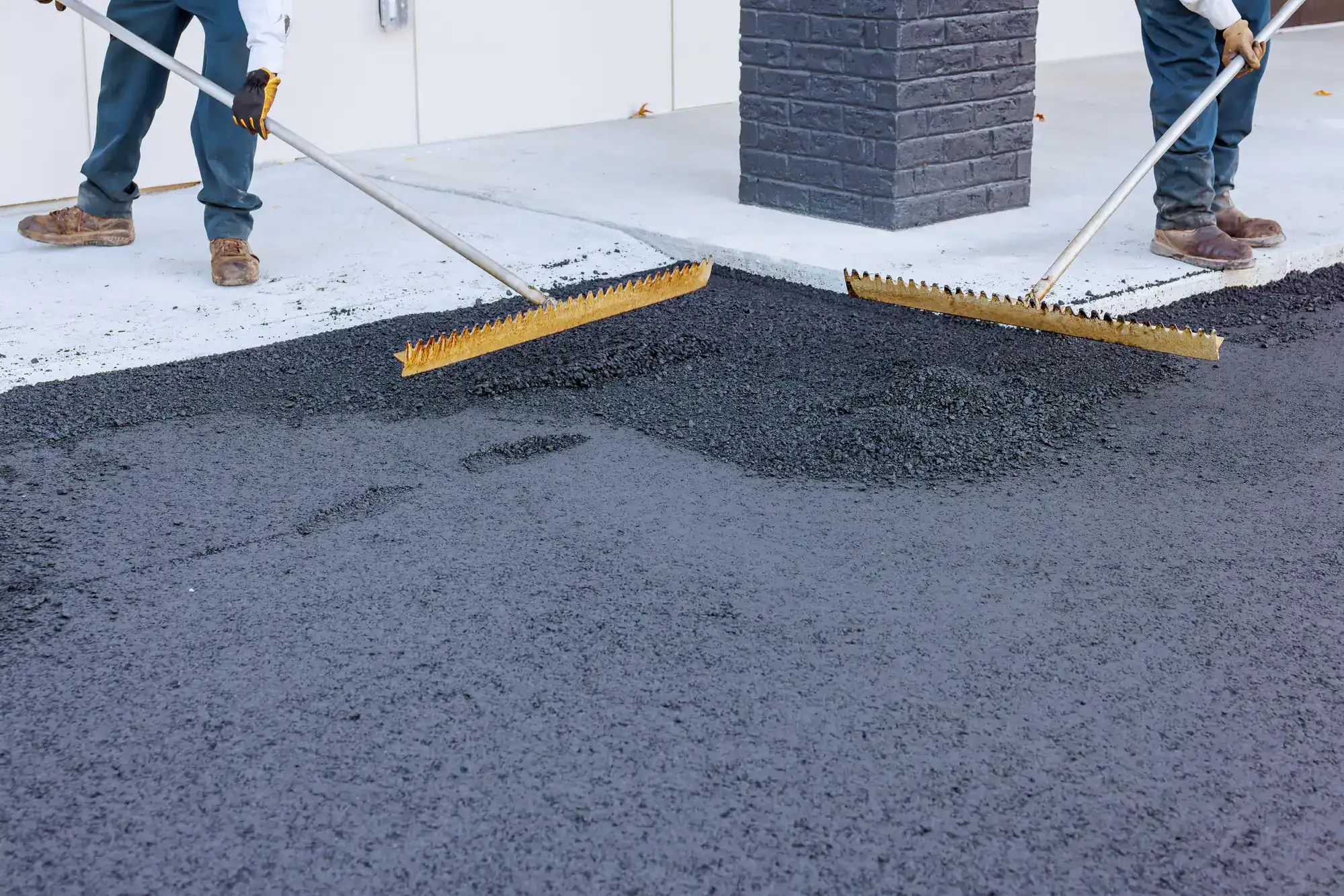
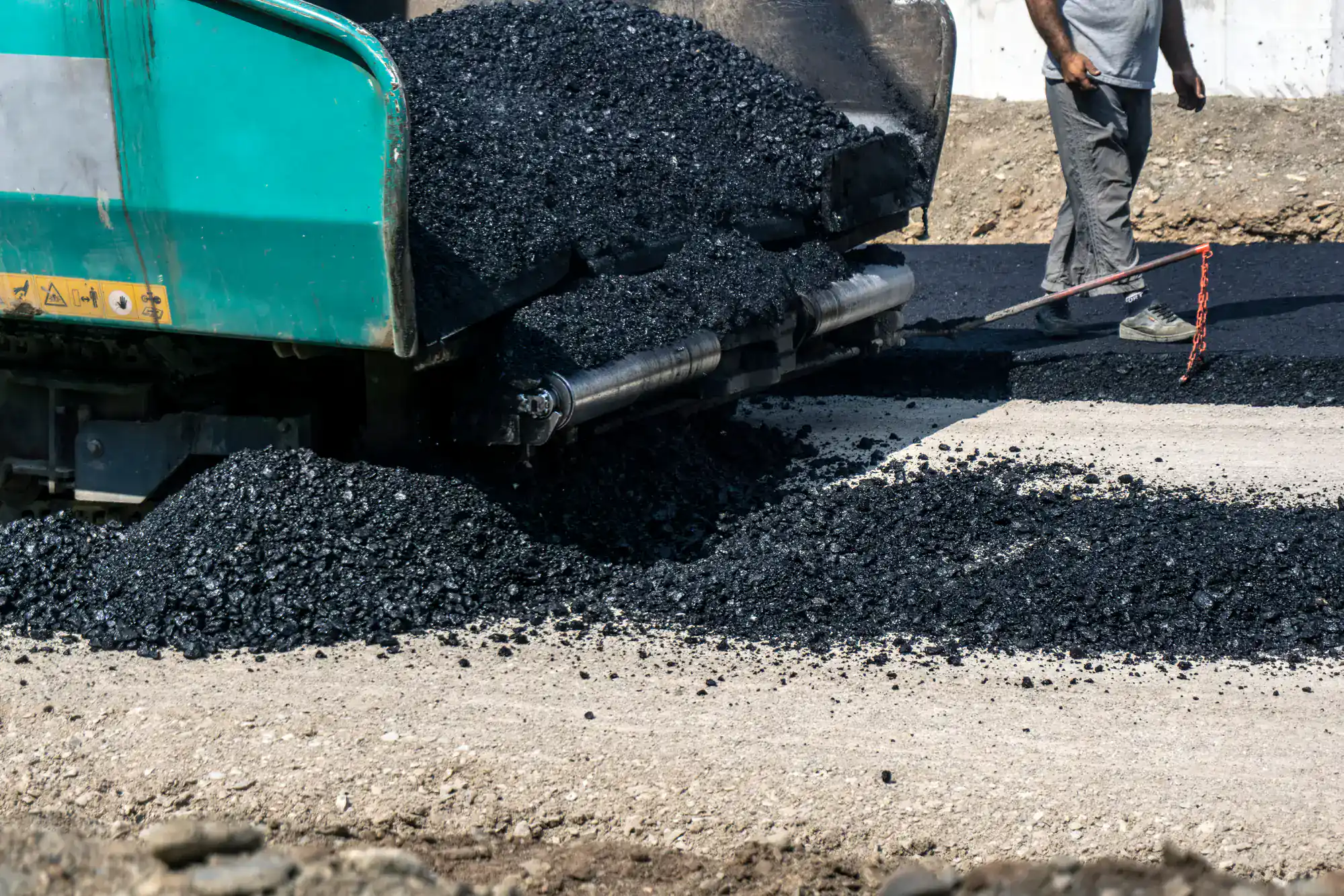
Then comes the asphalt installation. A binder layer goes down first, typically 1.5 to 2 inches depending on expected traffic. The surface layer follows with smaller aggregate for a smooth finish. Proper compaction at each stage prevents premature cracking and settling.
Final steps include striping and marking once the asphalt cures. Lines, handicapped spaces, directional arrows, and fire lanes all get applied according to Florida parking lot codes and ADA requirements. You end up with a fully compliant, functional parking lot ready for business.
Ready to get started?
New parking lot construction covers everything from base preparation through final striping. This includes proper drainage installation, which matters significantly in Mountain Lake Station where heavy rainfall can overwhelm poorly designed systems. The asphalt gets built to handle your specific traffic patterns—whether that’s daily customer vehicles or heavy delivery trucks.
Resurfacing works for lots with sound bases but deteriorating surfaces. The old layer gets milled off, any base repairs happen, then fresh asphalt goes down. This costs less than full reconstruction and extends your pavement’s life considerably when done before damage reaches the foundation.
Repairs address localized problems like potholes, cracks, and failed sections. Quick fixes prevent small issues from spreading and becoming expensive emergencies. Sealcoating every few years protects against UV damage and water penetration—Florida’s sun and rain are relentless, and preventive maintenance saves money long-term.
Line striping and marking keep your lot compliant and functional. Faded lines confuse drivers and create liability exposure. Fresh, clear markings improve traffic flow, reduce accidents, and ensure you meet ADA requirements for accessible parking spaces with proper dimensions and signage.
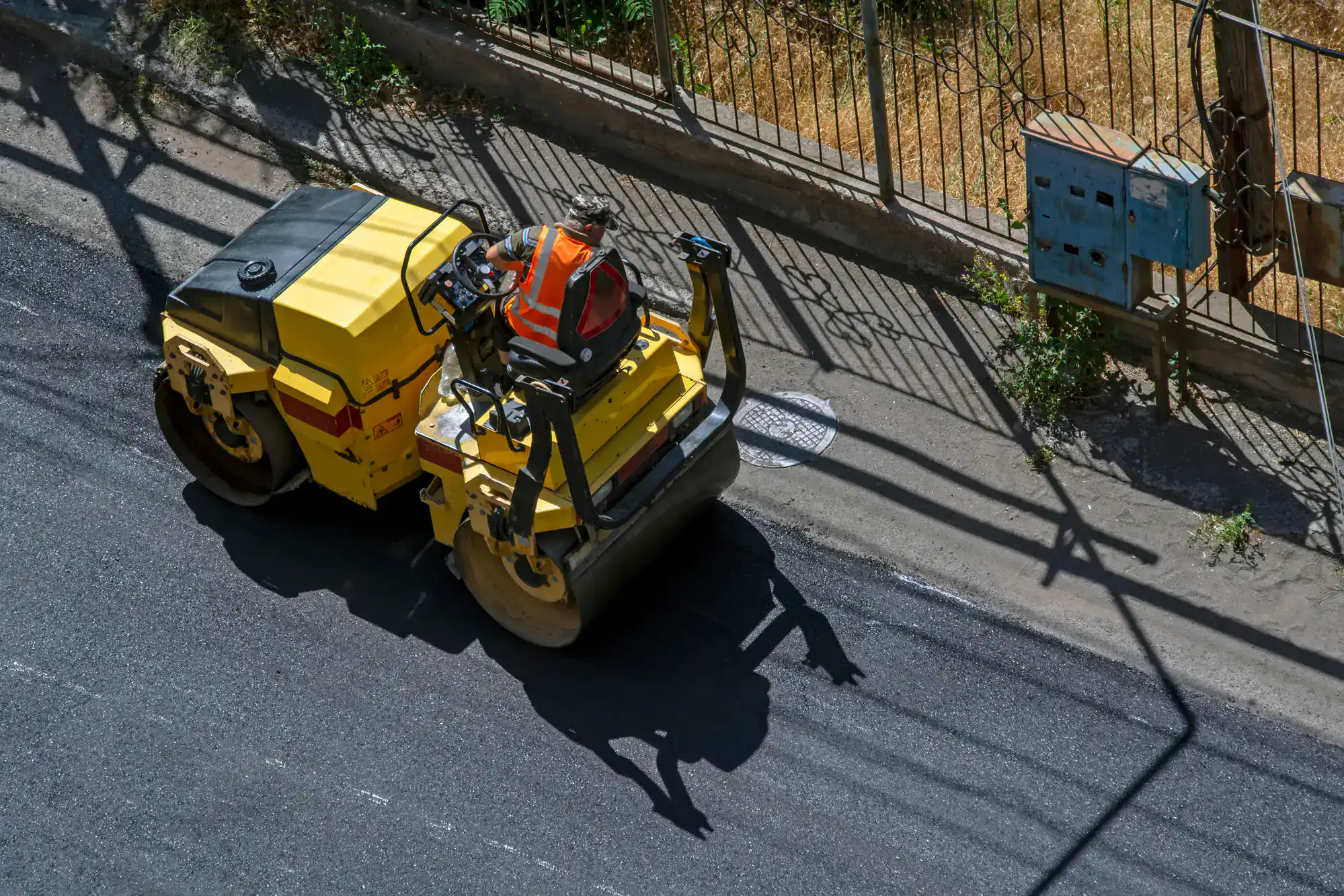
Most commercial parking lots take two to five days depending on size and scope. A small lot with straightforward access might finish in two days—one for prep and base work, another for asphalt and compaction. Larger properties or those requiring extensive drainage work need more time.
Weather affects the timeline. You can’t pave in rain, and Florida’s afternoon storms sometimes push work to the next day. Asphalt also needs specific temperature conditions to cure properly, though this rarely causes issues in Central Florida’s climate.
Phased construction extends the calendar timeline but reduces disruption. If keeping your business fully operational matters, the work gets divided into sections so parking remains available. Each phase follows the same quality process—it just happens in stages instead of all at once.
Florida’s intense UV exposure breaks down the binding agents in asphalt through oxidation. The surface becomes brittle, cracks form, and water seeps into those cracks. Once water penetrates the base layer, especially during heavy rains, the foundation weakens and potholes develop quickly.
Heat cycles cause expansion and contraction. Mountain Lake Station’s temperature swings—hot days and cooler nights—stress the pavement constantly. Without proper thickness and quality materials, this cycle accelerates deterioration significantly compared to milder climates.
Poor drainage compounds everything. When water can’t flow off the surface properly, it sits and penetrates deeper. Florida gets substantial rainfall, and parking lots without adequate slope or drainage systems fail much faster than those designed specifically for these conditions. That’s why site-specific engineering matters more here than in drier regions.
Yes, most commercial paving projects require permits in Florida. New parking lot construction, major resurfacing, and even restriping when it changes the layout all typically need approval from local building departments. Each municipality has specific requirements, so what applies in Mountain Lake Station might differ slightly from neighboring areas.
Permits ensure your project meets current codes including ADA accessibility standards, proper drainage requirements, and environmental regulations. Florida takes stormwater management seriously because of the flat terrain and heavy rainfall. Your parking lot design needs to show how runoff gets managed without creating flooding or environmental issues.
Working with a contractor familiar with local permitting saves headaches. We know what documentation the building department wants, which inspections happen at what stages, and how to keep the project moving without delays. Skipping permits creates legal liability and potentially forces expensive corrections later when violations get discovered.
ADA compliance starts with the right number of accessible spaces based on your total parking count. At least one in every 25 spaces must be accessible, with specific ratios increasing for larger lots. Van-accessible spaces need 11 feet of width plus a 5-foot access aisle, or 8 feet with an 8-foot aisle.
Proper slopes matter significantly. Access aisles and accessible routes can’t exceed a 2% slope, and surfaces must be smooth and stable without cracks or unevenness that create barriers. In Florida’s wet climate, this also means ensuring these areas drain properly without creating puddles that block access.
Signage and striping must meet exact specifications. Accessible spaces need vertical signs that can’t be obscured by parked vehicles, proper pavement markings including the international symbol of accessibility, and van spaces require additional “Van Accessible” signage. These spaces also must be located on the shortest accessible route to the building entrance. Getting these details wrong creates legal exposure and forces costly corrections.
Resurfacing works when your base layer remains structurally sound but the surface has deteriorated. The existing asphalt gets milled off—usually the top 1.5 to 2 inches—and any minor base repairs happen before new asphalt goes down. This costs significantly less than full replacement and takes less time since you’re not excavating and rebuilding from the ground up.
Full replacement becomes necessary when the base has failed. If you’ve got widespread alligator cracking, significant settling, or areas where the foundation has been compromised by water damage, resurfacing just puts new asphalt over a bad base. The problems resurface quickly because the underlying structure can’t support the load properly.
A proper evaluation tells you which approach makes sense. Sometimes a parking lot looks terrible on the surface but has a solid foundation that just needs fresh asphalt. Other times, what appears to be minor surface damage actually indicates deeper structural issues. Cutting corners with resurfacing when you need replacement wastes money because you’ll be addressing the same problems again within a few years instead of getting decades of service from a proper rebuild.
Every three to five years works for most commercial parking lots in Mountain Lake Station, though high-traffic areas might need it more frequently. Sealcoating protects the asphalt from UV damage, which happens faster in Florida’s intense sun than in northern climates. It also creates a barrier against water penetration and chemical spills from vehicles.
You’ll know it’s time when the asphalt color fades from black to gray and the surface starts looking worn. Small cracks begin appearing, and the pavement feels rougher. Catching it at this stage prevents those small cracks from becoming big problems that require expensive repairs instead of preventive maintenance.
The process is straightforward but needs proper conditions. The asphalt must be clean and dry, temperatures need to be appropriate, and rain can’t be in the forecast for at least 24 hours. In Florida, this usually means planning around the rainy season. A properly applied sealcoat dries within a day, and you can reopen the lot to traffic quickly—much less disruptive than waiting until damage forces major repairs.
Other Services we provide in Mountain Lake Station