Hear from Our Customers
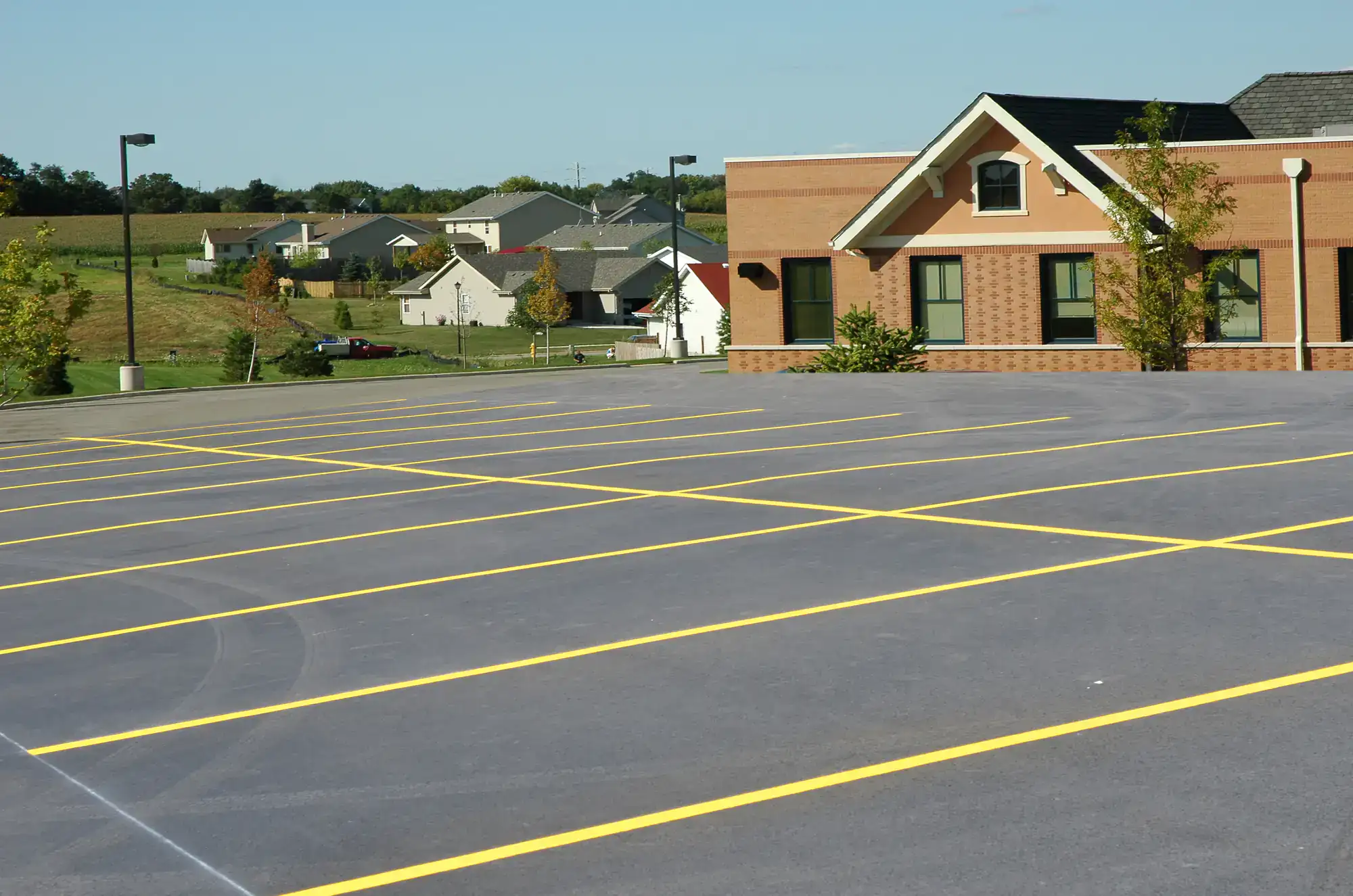
You get a parking lot that doesn’t embarrass you. One that your customers can actually drive on without dodging cracks and potholes. One that looks professional because it was installed by people who know what they’re doing.
Here’s what that looks like. Smooth asphalt that drains properly when Florida decides to dump three inches of rain in an hour. Surfaces that hold up under delivery trucks, employee cars, and customer traffic without crumbling after two years. Striping that’s clear, compliant, and makes your property look like someone gives a damn about it.
The difference isn’t just cosmetic. A properly paved commercial lot reduces your liability exposure. It keeps your insurance company happy. It tells customers and tenants that you run a tight operation. And it saves you money over time because you’re not calling someone out every six months to patch another failure.
We operate out of Winter Garden and handle commercial paving across Central Florida, including Medulla and the greater Polk County area. We focus on parking lots, access roads, and commercial surfaces that need to perform under real-world conditions.
We’re not the cheapest option in town. But we’re the ones who show up when we say we will, finish on schedule, and don’t leave you dealing with premature failures. That matters when you’re running a business and can’t afford to shut down your parking lot twice because someone cut corners the first time.
We handle everything from new installations to repairs and resurfacing. If your lot’s showing its age or you’re starting from scratch, we’ll walk you through what makes sense for your property and your budget.
First, someone from our team comes out to look at your property in Medulla. Not to sell you things you don’t need, but to understand what you’re working with. We’ll check drainage, evaluate the existing surface if there is one, and ask about your traffic patterns and timeline.
Then you get a quote. It’s transparent, and it covers what the job actually requires. No surprises three weeks in when we “discover” something that magically costs another five grand.
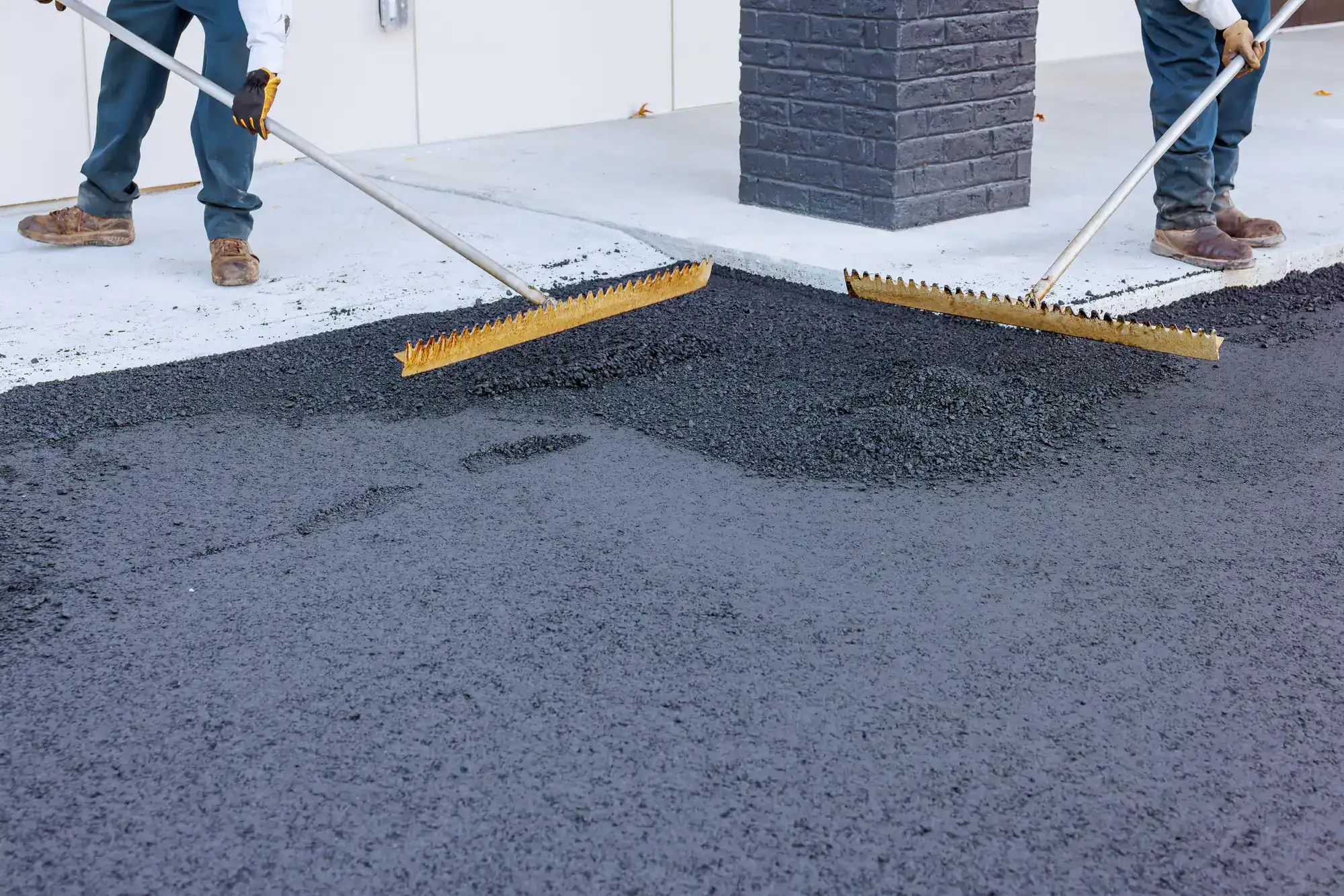
Once you’re ready to move forward, we schedule around your operations. If you need certain areas accessible during business hours, we plan for that. Site prep comes first—proper grading and base work that most people never see but makes all the difference in how long your asphalt lasts.
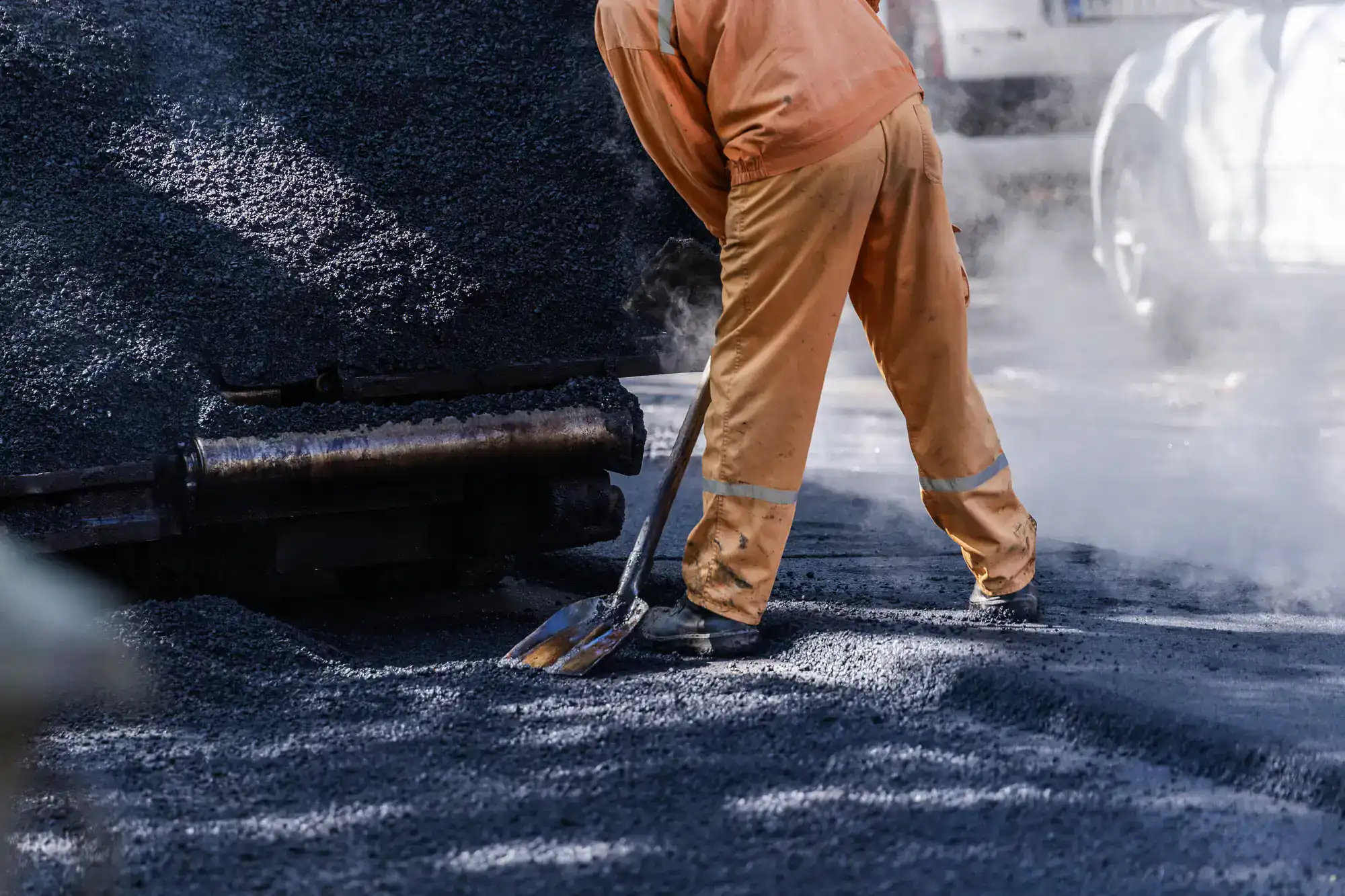
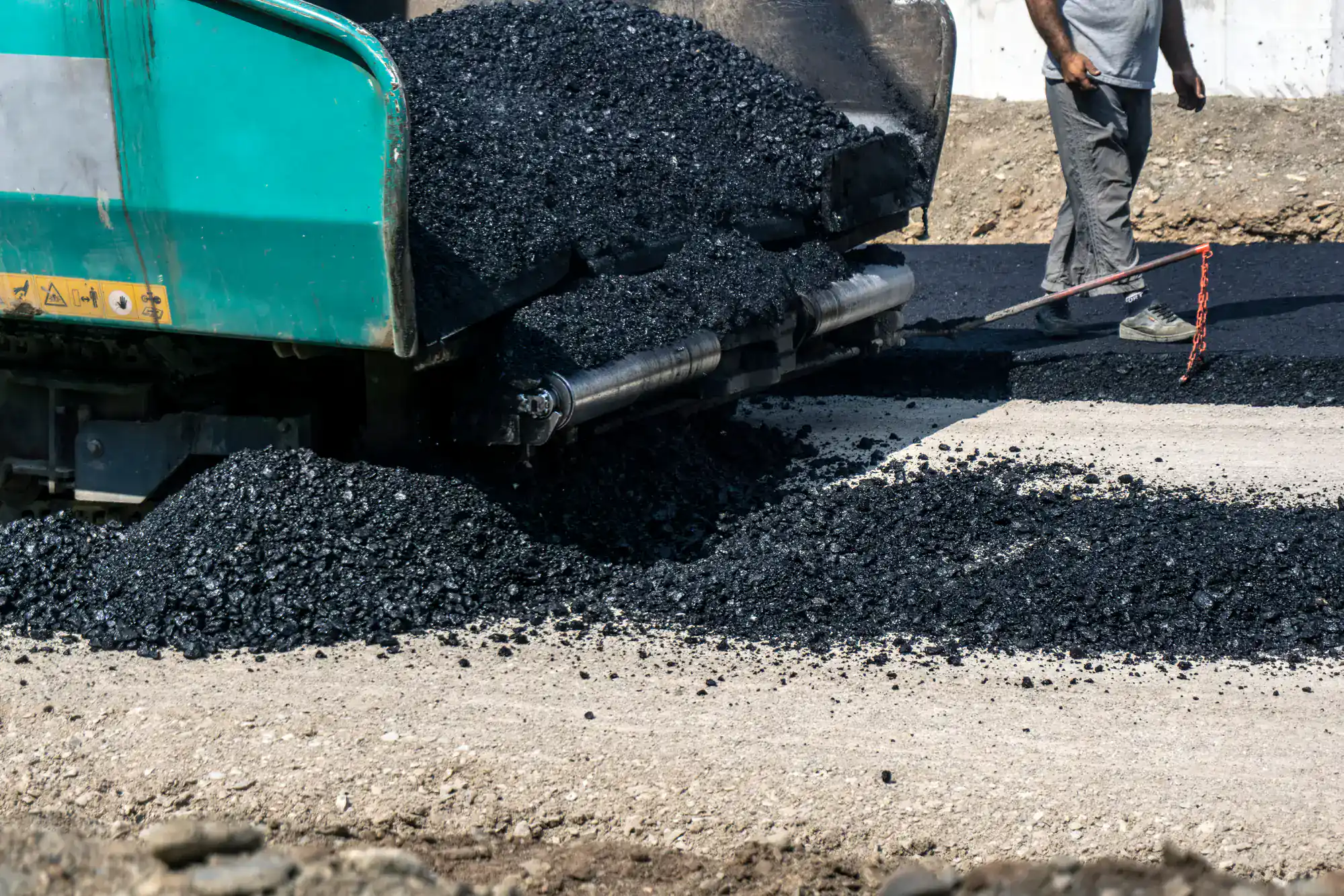
Then comes the paving itself. The asphalt goes down hot, gets compacted properly, and cures according to the conditions. After that, striping and any final touches to get you back to full operation. The whole process is coordinated so you know what’s happening and when.
Ready to get started?
A commercial paving project in Medulla needs to account for Central Florida’s realities. That means addressing drainage from day one because standing water destroys asphalt faster than anything else. It means using materials and techniques suited for high temperatures and UV exposure that never lets up.
The work typically includes site evaluation and grading to establish proper water flow. Then comes base preparation—compacted aggregate that provides a stable foundation. The asphalt itself is applied in layers appropriate for your expected traffic load. Light-duty parking might need three inches. Heavy commercial traffic with delivery trucks might need four or more.
After the asphalt cures, striping goes in. Parking stalls, directional arrows, handicap spaces, fire lanes—whatever your property requires to stay compliant and functional. Some projects also include curbing, wheel stops, or signage installation.
What you’re really getting is a system designed to handle Florida’s climate and your specific use case. Not a one-size-fits-all approach that works great in Minnesota but fails here after two summers.
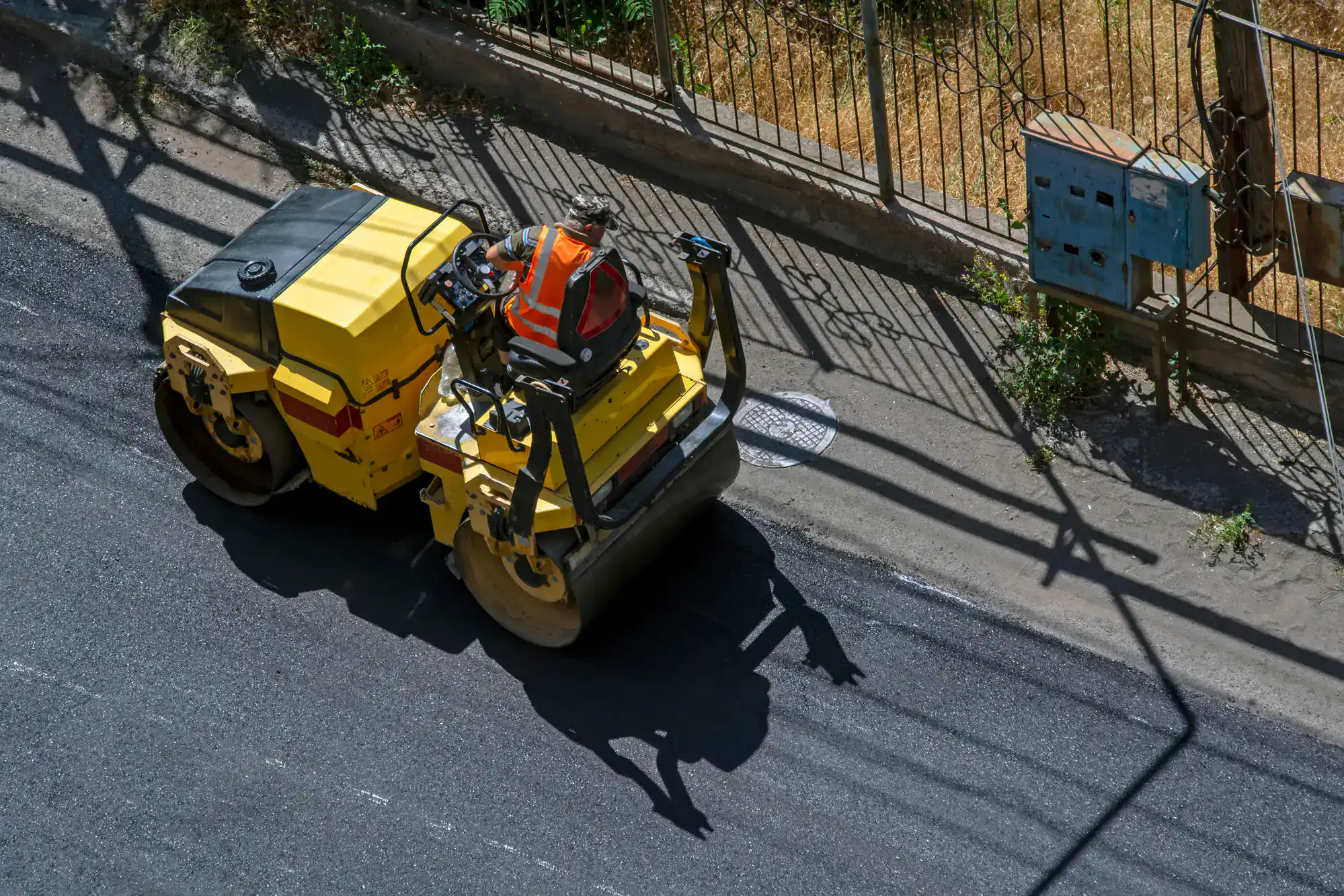
Properly installed and maintained commercial asphalt can last 20 to 25 years in Central Florida. That’s not a guarantee—it’s what happens when the work is done right and you stay on top of basic maintenance.
The lifespan depends on several factors. Traffic volume matters. A parking lot that sees 50 cars a day will outlast one handling 500. The quality of the base work matters even more. Shortcuts in site prep and drainage will cut years off your pavement’s life regardless of how good the asphalt itself is.
Florida’s climate is tough on asphalt. The heat, UV exposure, and heavy rain all take their toll. That’s why maintenance matters. Sealcoating every few years, filling cracks promptly, and addressing drainage issues as they develop can add a decade to your parking lot’s functional life. Ignore those things and you’ll be repaving in 10 years instead of 25.
An overlay means applying new asphalt over your existing surface. Full-depth paving means tearing out the old material and starting fresh. Which one makes sense depends on what you’re working with.
Overlay works when your base is still solid but the surface is worn. It’s faster and costs less than full removal. You get a new driving surface without the expense and disruption of complete reconstruction. But it only works if the underlying structure is sound. If you’ve got base failures, drainage problems, or significant cracking, an overlay just postpones the inevitable.
Full-depth paving is what you need when the parking lot has failed structurally. That means addressing the base, fixing drainage issues, and rebuilding from the ground up. It costs more upfront, but you get another 20-plus years instead of limping along with a Band-Aid solution. We’ll tell you honestly which approach your property needs, not just sell you whichever one has a higher margin.
Drainage isn’t optional in Florida—it’s the difference between asphalt that lasts and asphalt that fails. Water is the enemy. It seeps into cracks, undermines the base, and accelerates every form of deterioration.
Proper drainage starts with site grading. The parking lot needs to slope enough to move water off the surface but not so much that it’s uncomfortable to walk or drive on. Typically that’s around 1-2% grade. Water needs a place to go, whether that’s to storm drains, retention areas, or perimeter swales.
In some cases, you need catch basins and underground piping to handle the volume Florida throws at you. The design depends on your property’s layout, soil conditions, and local requirements. But the principle is the same—get water away from the pavement as quickly as possible. That’s why drainage planning happens before any asphalt goes down, not after you’ve already got standing water problems.
Yes, and that’s usually how it goes for commercial projects. Most businesses can’t just shut down for two weeks while paving happens. We schedule the work to minimize disruption to your operations.
That might mean working in phases so you always have some parking available. It might mean doing the heavy work at night or on weekends when traffic is lighter. It depends on your needs and what the project requires. Some things can be flexible. Others—like cure times—can’t be rushed regardless of your schedule.
The key is planning it upfront. If you need certain areas accessible during specific hours, that gets built into the timeline. If delivery trucks need access on particular days, the work zones get arranged accordingly. It takes more coordination than just closing the whole lot and powering through, but it’s standard practice for commercial paving. You just need to communicate your constraints clearly so they can be factored into the schedule.
Maintenance isn’t complicated, but it’s not optional either. The basics are sealcoating, crack filling, and keeping up with drainage. Do those things and you’ll get decades out of your parking lot. Skip them and you’ll be repaving in half that time.
Sealcoating should happen every 2-3 years. It protects the asphalt from UV damage, water infiltration, and chemical spills from vehicles. It’s not expensive and it adds years to your pavement’s life. Crack filling should happen as soon as you notice cracks forming. Small cracks turn into big cracks, which turn into potholes, which turn into base failures. Catch them early and they’re cheap to fix.
Drainage maintenance means keeping catch basins clear, making sure water flows where it’s supposed to, and addressing any settling or grade changes that create ponding. You should also have the striping refreshed every few years to maintain visibility and compliance. None of this is exotic or costly. It’s just regular upkeep that prevents expensive problems down the road.
There’s no one-size-fits-all number because every project is different. A small parking lot overlay might run $3-5 per square foot. Full-depth reconstruction with extensive site work could be $8-12 per square foot or more. The only way to know what your project costs is to have someone evaluate your specific situation.
Several factors drive the price. Size matters—larger projects generally cost less per square foot. The condition of your existing surface matters. If you need extensive base repair or drainage work, costs go up. Asphalt thickness matters based on your traffic load. And site access matters—if equipment can’t get in easily, that adds time and expense.
Be wary of quotes that seem too good to be true. They usually are. Lowball bids often mean corners will be cut on base prep, asphalt thickness, or material quality. You’ll save money upfront and spend it all back in repairs within a few years. Get a detailed quote that breaks down what you’re actually getting, and compare apples to apples when you’re evaluating contractors.
Other Services we provide in Medulla