Hear from Our Customers
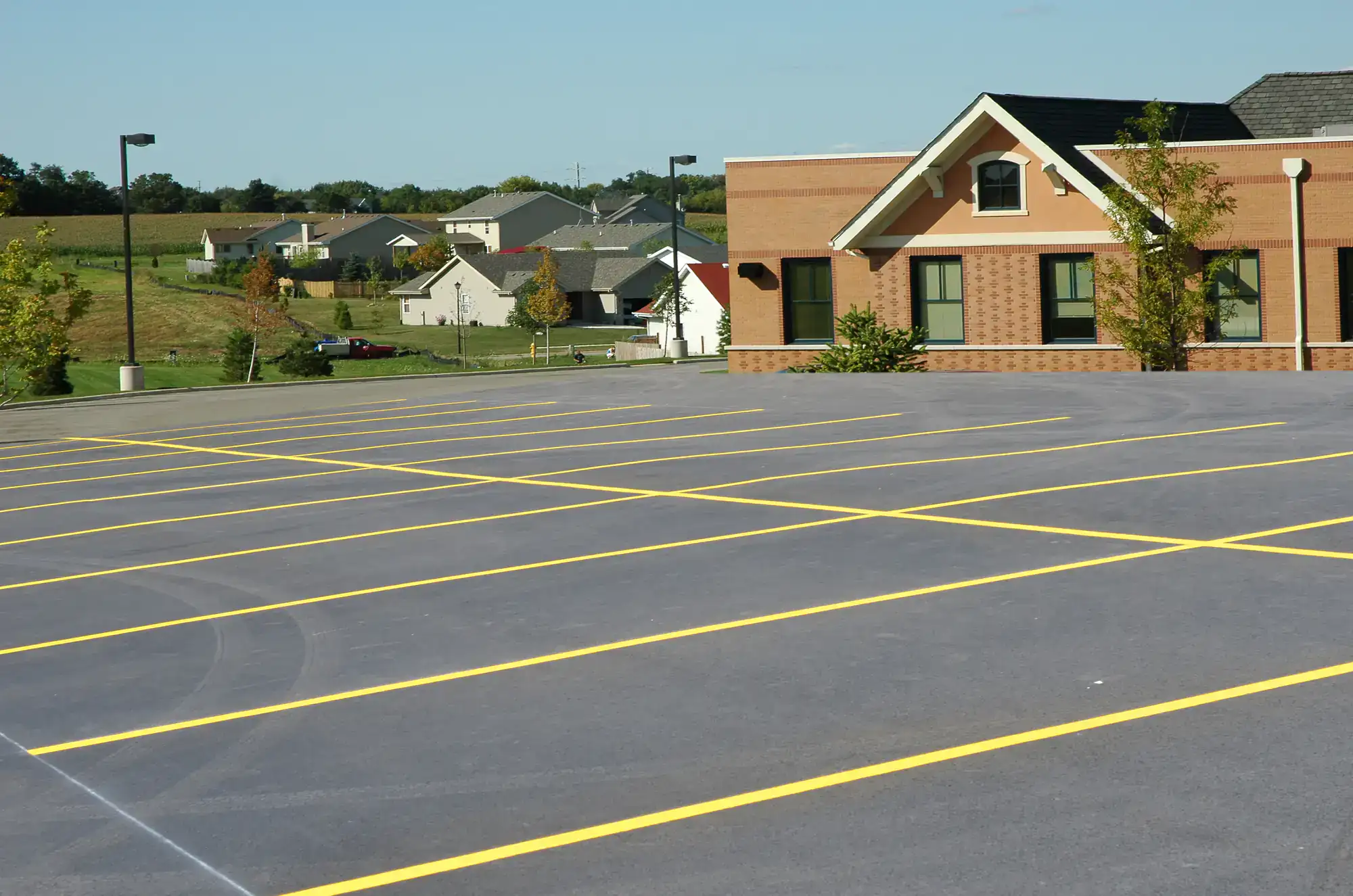
Your parking lot does more than park cars. It’s the first thing customers see when they pull up, and it tells them whether you run a tight operation or let things slide.
A smooth, well-maintained surface means fewer complaints about potholes damaging tires. It means water drains where it should instead of pooling near your entrance. It means you’re not worrying about liability every time someone walks across your lot.
When you invest in commercial asphalt paving that’s done right, you get years of reliable performance. No constant patching. No embarrassing cracks spreading across high-traffic areas. Just a clean, professional surface that holds up to Florida’s heat, rain, and whatever your customers throw at it.
We’ve been handling commercial paving projects across Central Florida for over 40 years. Based in Winter Garden, we know exactly what Florida’s climate does to asphalt—and more importantly, how to build parking lots that last despite it.
We focus on clear communication and getting projects done when we say we will. No surprises on price, no dragging timelines. Whether it’s a small office parking area or a large retail center, we approach every job with the same attention to detail.
Maxcy Quarters businesses need contractors who understand local conditions. We bring that knowledge to every project, from initial consultation through final striping.
First, we come out to look at your property. We assess current conditions, measure the area, discuss drainage concerns, and talk about how you use the space. If you’ve got an existing lot, we’ll tell you whether you need a full replacement or if resurfacing makes more sense for your budget.
Once you approve the plan, our crew preps the site. That might mean milling off the old surface layer, or it could involve complete removal if the base has failed. We grade and compact the foundation to ensure proper drainage—this step matters more than most people realize, especially in Florida where heavy rain can destroy a poorly prepared base.
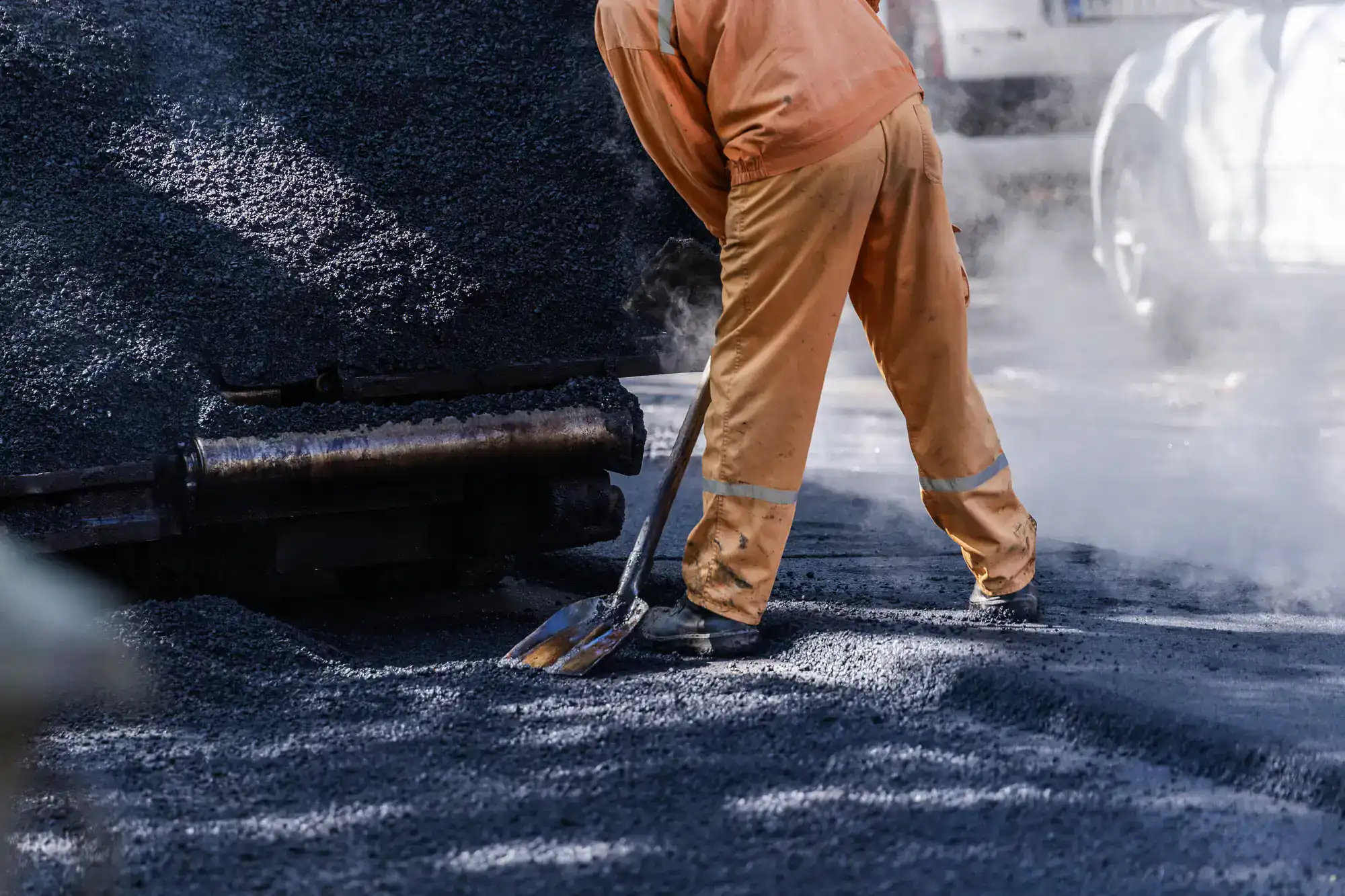
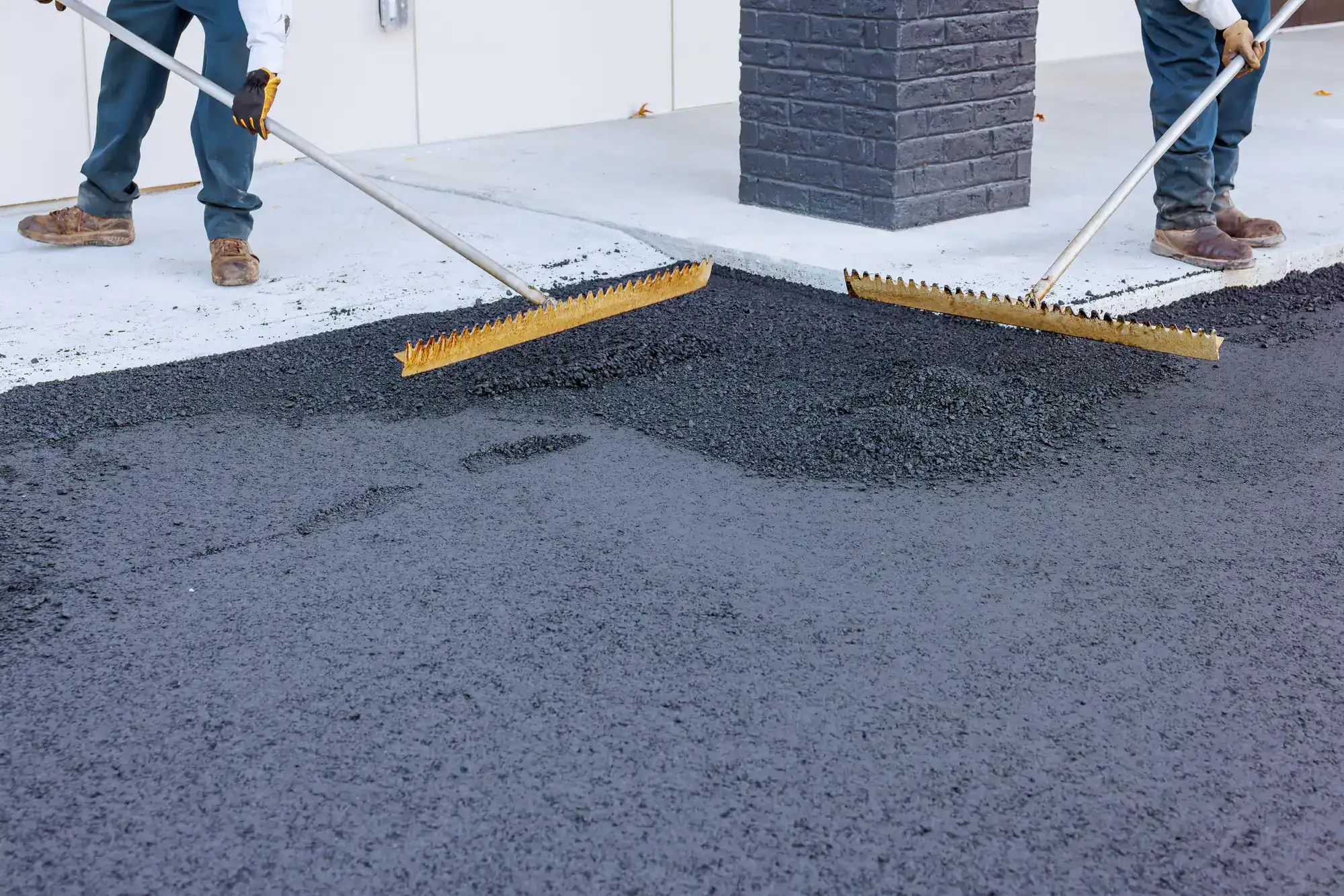
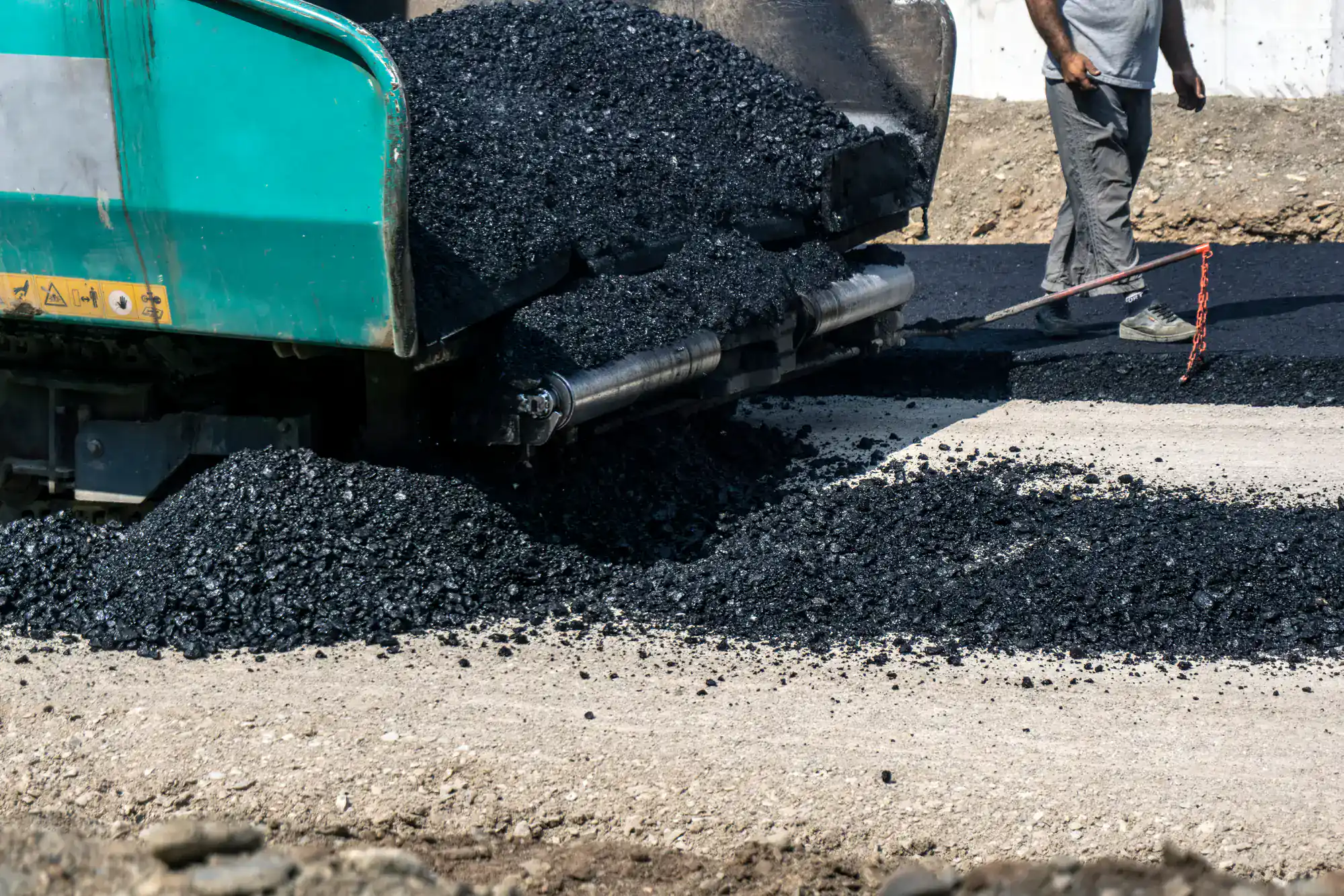
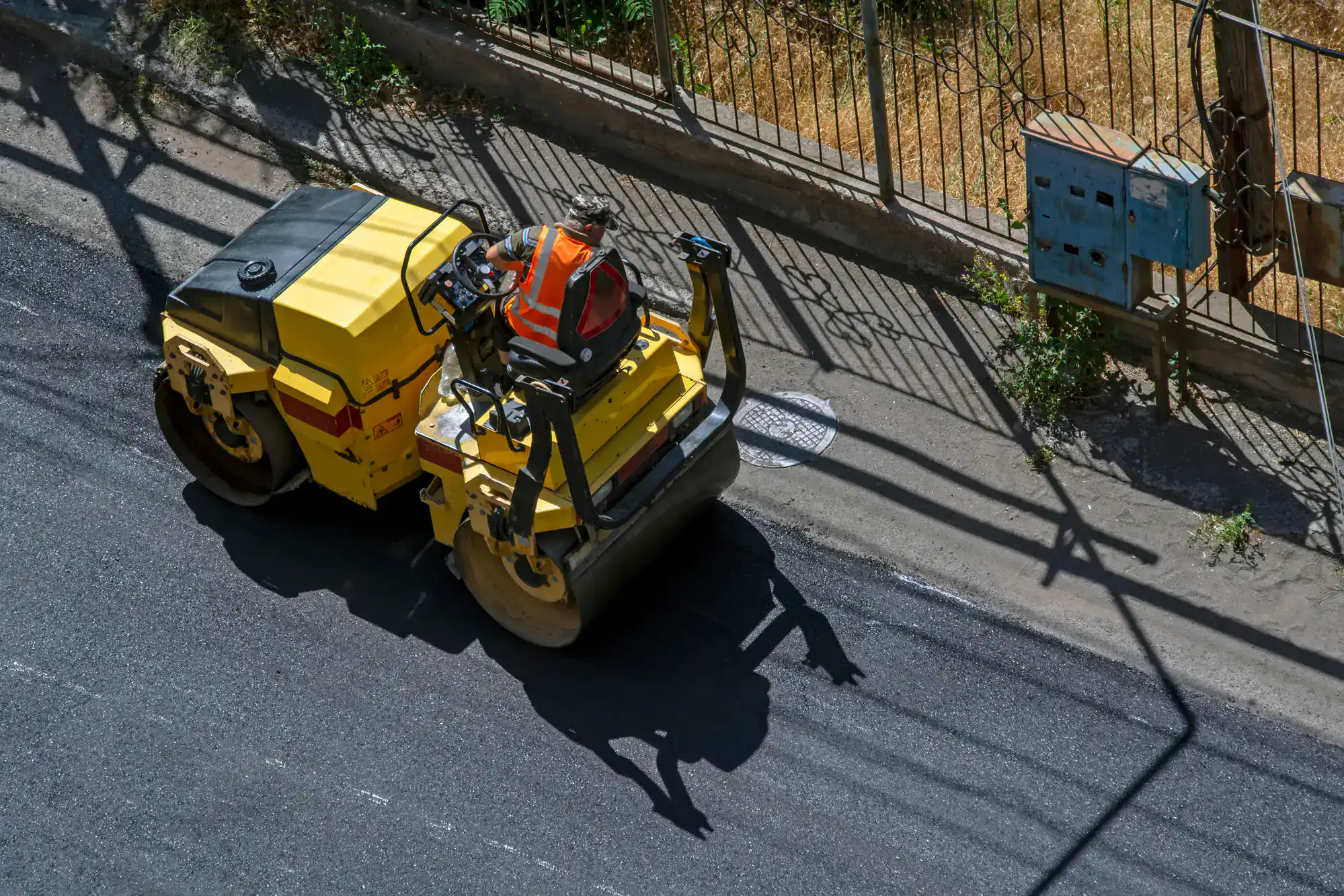
Then comes the asphalt installation. Multiple layers of hot-mix asphalt are laid and compacted while the material is still hot. Our crew pays attention to edges, transitions, and final grading to make sure water flows away from buildings and doesn’t pool in low spots. After the asphalt cures, striping and markings go down to complete the project.
Ready to get started?
Commercial paving in Maxcy Quarters starts with understanding Florida’s unique challenges. The intense UV exposure breaks down asphalt binders over time. Heavy afternoon thunderstorms test drainage systems. Temperature swings cause expansion and contraction that can create cracks if the installation isn’t done properly.
We use techniques proven to work in this environment. Proper base preparation ensures the foundation can support heavy commercial traffic. Drainage design prevents water from sitting on the surface or seeping into the base layer where it causes real damage. Quality materials and correct compaction create a dense, durable surface that resists the oxidation and erosion common in Central Florida.
For businesses in Maxcy Quarters, this means parking lots that maintain their appearance and function for years. The investment pays off in fewer repairs, less maintenance, and a professional look that doesn’t fade after one Florida summer. Whether you’re paving a new development or replacing an aging parking area, the focus stays on long-term performance tailored to local conditions.
Timeline depends on the size of your lot and the scope of work. A small office parking area might take 2-3 days from start to finish. Larger commercial properties can take a week or more, especially if significant prep work or drainage improvements are needed.
We schedule projects to minimize disruption to your business. For properties that can’t afford downtime, we can phase the work—paving sections at a time so you always have accessible parking. Off-hours scheduling is also an option for businesses that need to stay fully operational during the day.
Most asphalt needs 24-72 hours before it can handle regular traffic, though you can usually walk on it sooner. Our crew handles traffic control, signage, and coordination so your customers and employees know which areas are accessible throughout the project.
It depends on the condition of your existing pavement and what’s happening below the surface. If you’ve got a solid base with minor surface damage—some cracks, worn areas, fading—resurfacing (also called mill and overlay) usually makes the most sense. We remove the top layer of asphalt and replace it with fresh material. This typically costs 30-50% less than full replacement.
Full replacement becomes necessary when the base has failed. Signs include large areas of alligator cracking, significant settling or depressions, potholes that keep coming back no matter how many times you patch them, or drainage problems that can’t be fixed with surface work alone. If water has compromised the foundation, resurfacing just puts new asphalt over a failing base—you’ll have the same problems within a year or two.
We provide free consultations where we assess your specific situation and give you an honest recommendation. We’re not interested in selling you a full replacement if resurfacing will give you another 10-15 years of service.
Florida’s climate accelerates asphalt deterioration in ways that don’t happen in other parts of the country. The intense UV exposure breaks down the petroleum binders that hold asphalt together, causing oxidation and surface brittleness. Constant heat keeps asphalt soft, making it more susceptible to rutting and deformation under heavy loads. Then you’ve got the humidity and rainfall—Florida gets more rain than almost anywhere else in the US, and water is asphalt’s biggest enemy.
Proper installation accounts for these factors. The mix design needs to handle high temperatures without becoming too soft. Drainage becomes critical because standing water accelerates breakdown and seeps into any small cracks, expanding them into major problems. Compaction has to be done correctly while the asphalt is hot to create a dense surface that resists water penetration.
We understand Florida conditions and know that maintenance matters more here than in cooler, drier climates. Sealcoating every 2-4 years, prompt crack filling, and keeping drainage systems clear can extend your parking lot’s life by 15-20 years. Skip the maintenance, and you’ll be replacing asphalt much sooner than necessary.
Cost varies based on the size of your lot, current condition, site prep requirements, and whether you’re doing new installation or resurfacing. New asphalt installation typically runs higher per square foot because it requires complete base preparation. Resurfacing costs less since you’re working with an existing foundation.
Other factors that affect price include drainage work (adding or repairing catch basins, improving grading), removal and disposal of old asphalt, accessibility of the site, and any special requirements like ADA-compliant ramps or specific striping layouts. A small office lot might cost a few thousand dollars to resurface, while a large retail center could run into six figures for complete replacement.
We provide transparent pricing after evaluating your property. We’ll give you a detailed estimate that breaks down what you’re paying for—no hidden fees or surprise charges. We also discuss options that fit different budget levels, so you can make an informed decision about whether to tackle everything now or phase the work over time.
Asphalt installation requires dry conditions because moisture interferes with proper compaction and bonding. You can’t lay hot-mix asphalt in the rain or on wet surfaces. That said, commercial paving projects don’t shut down completely during Florida’s summer rainy season—they just require more careful scheduling.
Most afternoon thunderstorms in Central Florida are predictable. We plan around the weather, starting early in the morning when conditions are typically dry. If rain is forecast for the afternoon, we schedule the asphalt pour for morning hours when we can complete installation and initial compaction before weather moves in.
Sometimes projects get delayed by a day or two waiting for the right conditions. We stay in close communication during the project so you’re never wondering what’s happening or when work will resume. The goal is always to complete quality installation that will last—rushing through poor conditions just creates problems you’ll pay for later with premature failure and costly repairs.
Regular maintenance is what separates parking lots that last 15-20 years from ones that fail after 7-8. In Florida’s climate, you’re fighting constant UV exposure, heat, and moisture—all working together to break down your asphalt.
Sealcoating every 2-4 years is the most important maintenance step. It replaces the fine particles lost to oxidation, protects against UV damage, and creates a barrier against water and chemicals. The fresh black appearance also keeps your property looking professional. Crack filling should happen as soon as you notice cracks forming—don’t wait. Small cracks let water penetrate to the base layer where it causes exponentially more damage.
Keep your parking lot clean and drainage systems clear. Debris and dirt trap moisture against the asphalt surface. Clogged drains create standing water that accelerates deterioration. Address potholes and damaged areas promptly before they spread. What starts as a small pothole becomes a major repair project if left alone through a few rainy seasons.
We offer maintenance programs that take the guesswork out of caring for your commercial parking lot. Regular inspections catch small issues before they become expensive problems, and scheduled maintenance extends your pavement’s life significantly.
Other Services we provide in Maxcy Quarters