Hear from Our Customers
You’re not looking for the cheapest option that cracks in two years. You need asphalt that stands up to what Central Florida throws at it—relentless UV exposure, afternoon downpours, and vehicles rolling in and out all day.
That’s what proper commercial paving delivers. A surface that drains correctly. Base work that doesn’t shift or settle. Installation done right so you’re not patching potholes six months later.
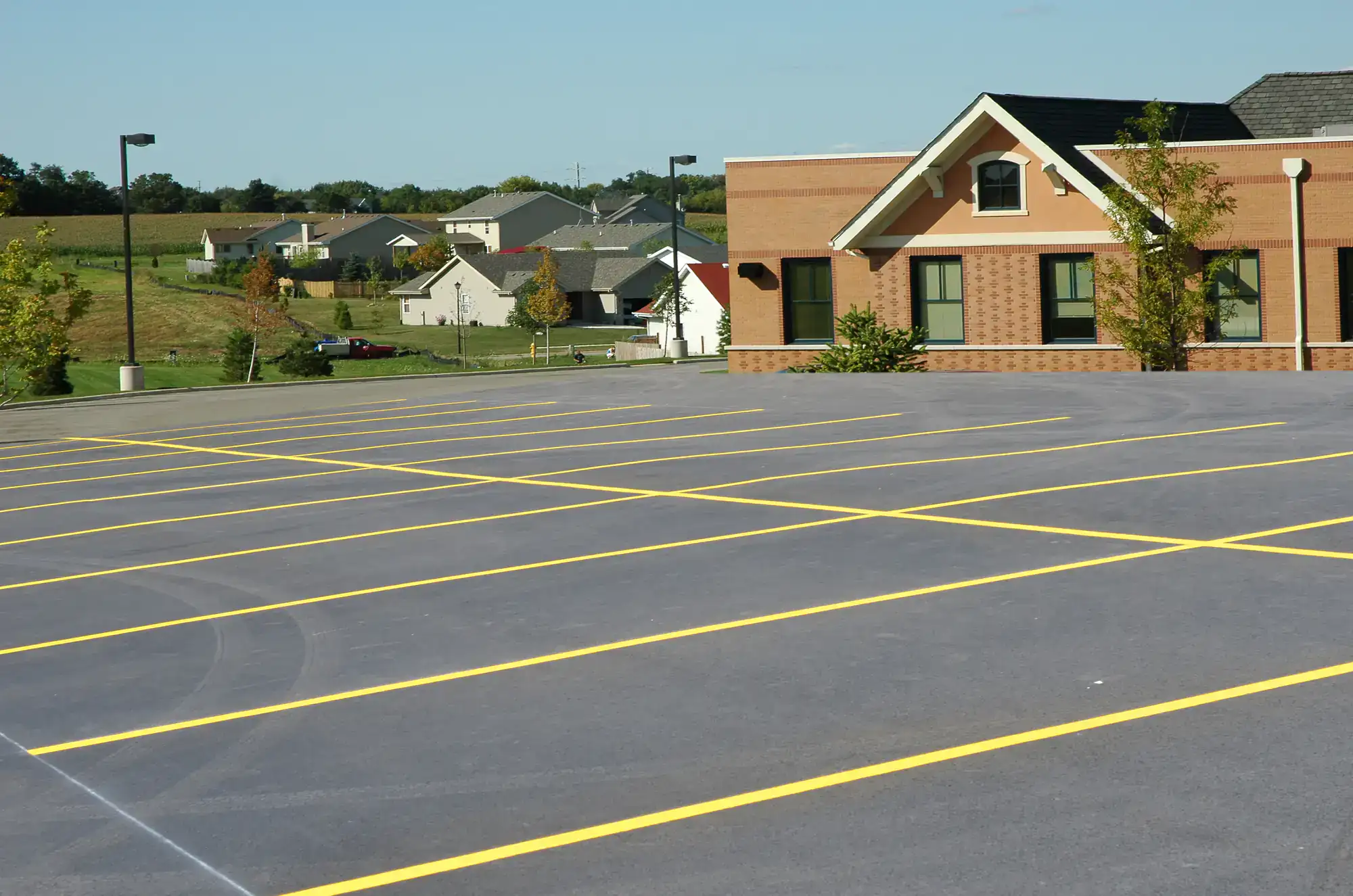
Your parking lot is the first thing customers see when they pull into your property. Cracked, faded asphalt with standing water sends a message you probably don’t want to send. A smooth, well-maintained surface does the opposite—it tells people you run a tight operation and care about the details.
Central Florida Blacktop Paving Inc. has been handling commercial asphalt projects across the Winter Haven area for over 40 years. We know what Florida’s climate does to parking lots because we’ve been repairing, resurfacing, and installing them through every season and weather pattern the region can produce.
Based in Winter Garden, we understand the soil conditions, drainage requirements, and material specifications that work in Lake Shipp Heights, FL and the surrounding Polk County area. We’re not experimenting with your property—we’re applying decades of proven methods to commercial paving projects.
Every job starts with a free consultation and transparent pricing. No surprises, no runarounds. Just clear communication about what the work involves, how long it takes, and what it costs.
Commercial paving isn’t complicated when you know what you’re doing, but cutting corners shows up fast. The process starts with a site evaluation—checking drainage, measuring the area, and understanding what kind of traffic the parking lot handles daily.
Next comes base preparation. This is where a lot of commercial paving contractors try to save time and money, and it’s where problems start. Proper commercial asphalt paving requires a solid gravel base, compacted correctly, with grading that moves water away from the surface. Skip this and you’ll see settling, cracking, and premature failure.
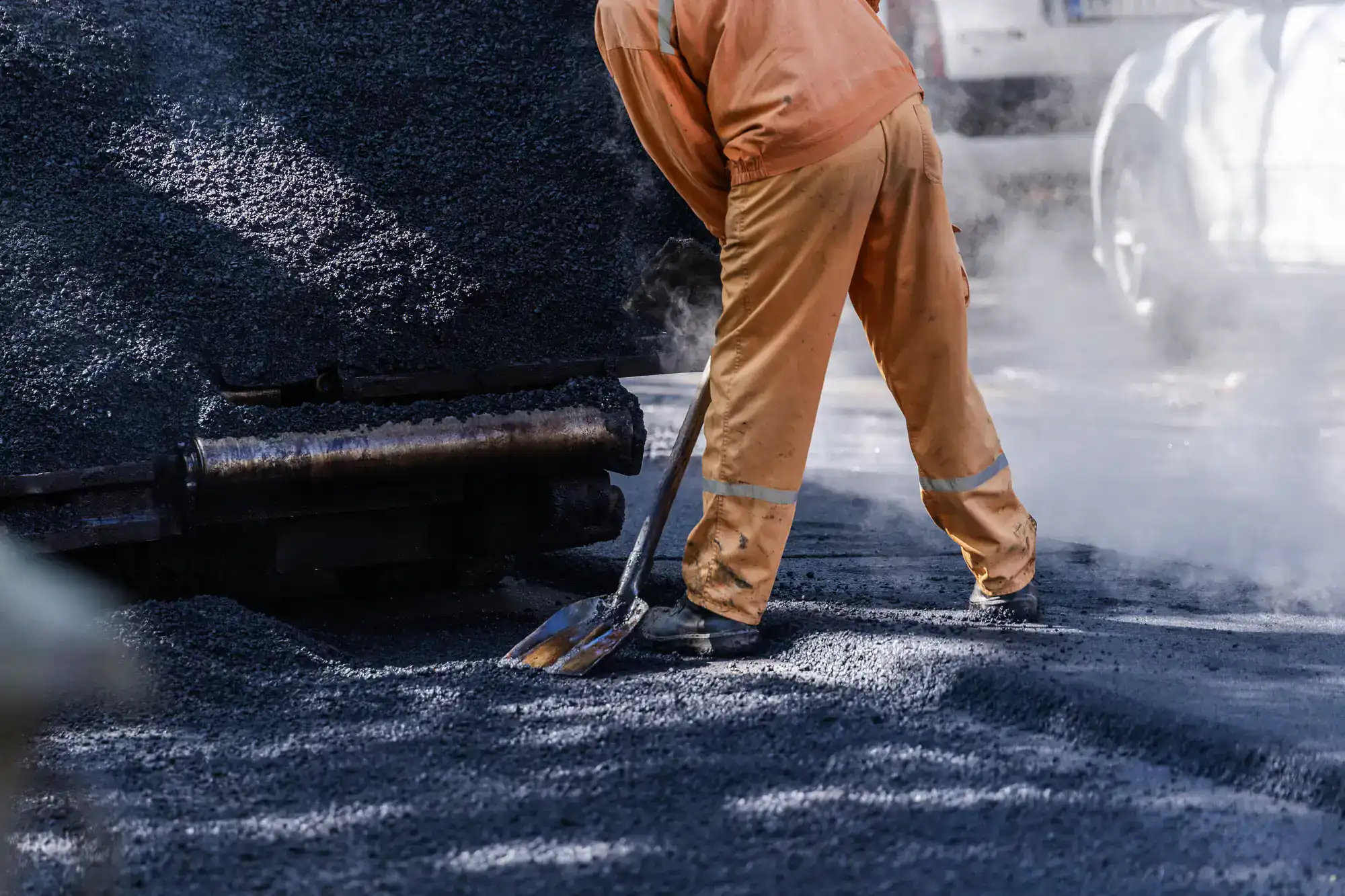
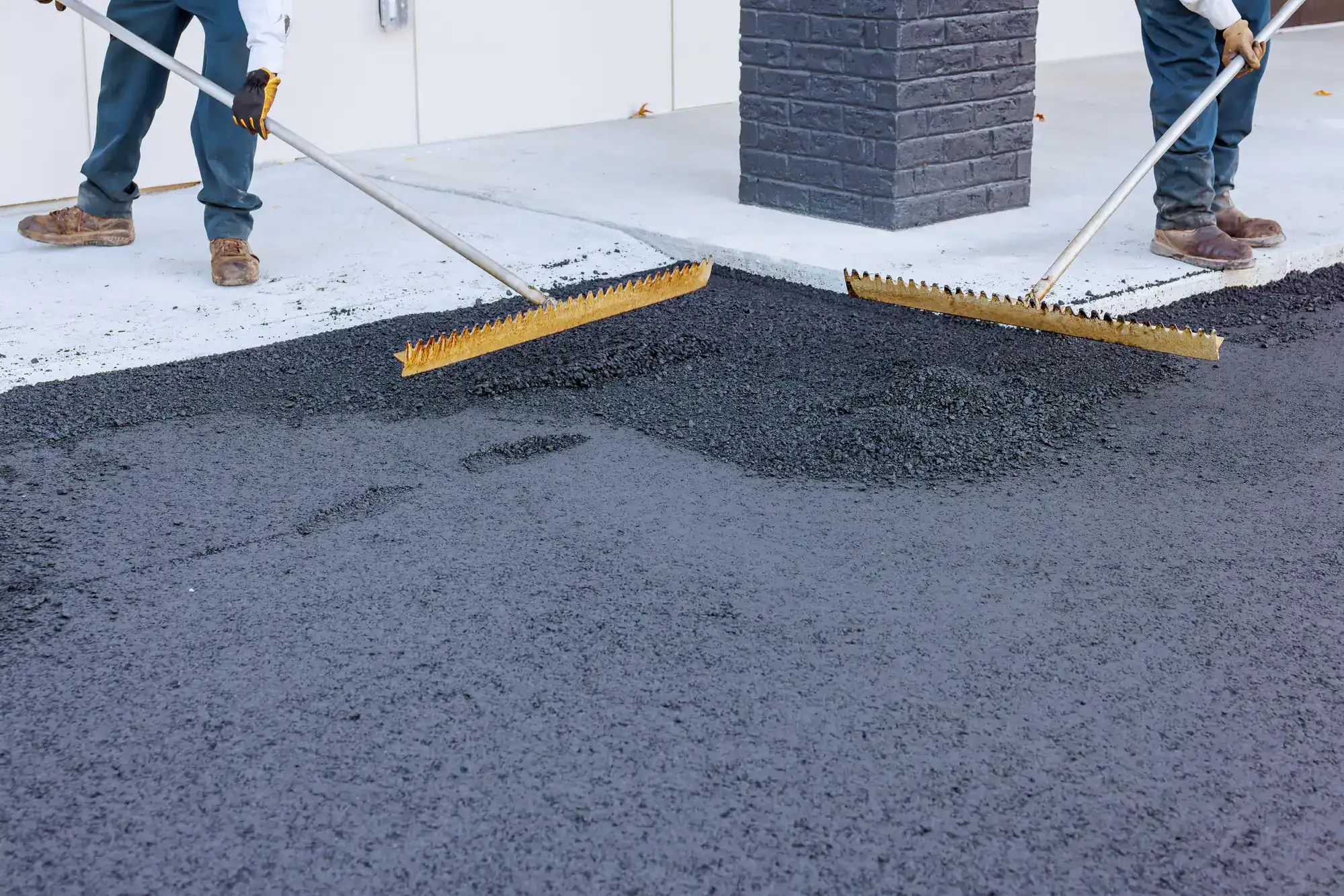
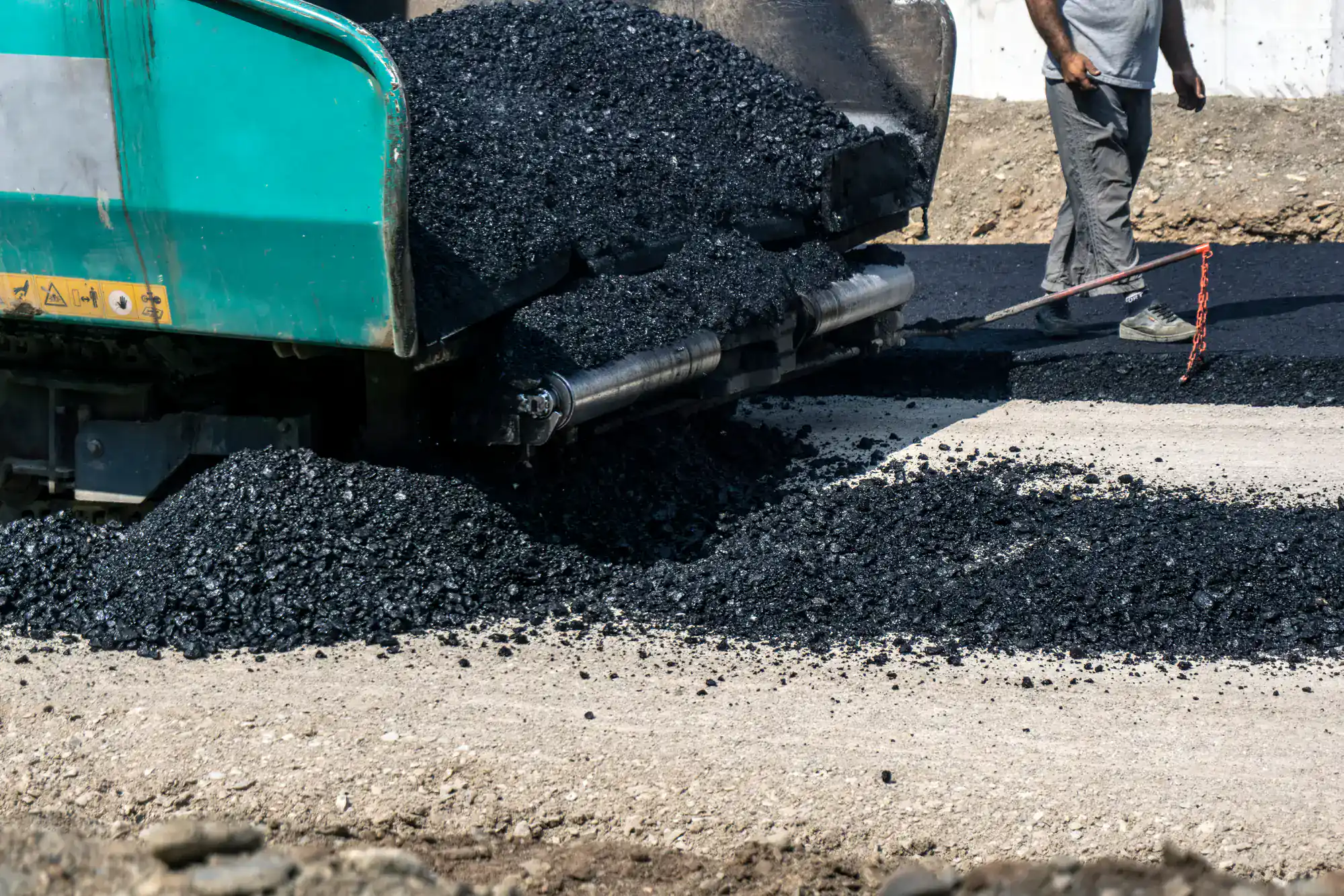
The asphalt goes down in layers—binder course first, then the smooth top layer. Thickness matters. Light traffic needs about three inches. Heavier commercial use requires more. The material has to be hot, placed evenly, and compacted while conditions are right.
After installation, the surface needs time to cure before you’re striping lines and opening it to full traffic. Rushing this part compromises everything that came before it. The timeline depends on weather, size, and complexity, but you’ll know the schedule upfront so you can plan around it and keep your business running.
Ready to get started?
Commercial paving in Lake Shipp Heights, FL means more than just laying asphalt. It includes proper site prep, grading for drainage, base installation, asphalt application, compaction, and final finishing. You’re also looking at coordination to minimize disruption to your business operations.
Florida’s climate demands specific attention. The intense sun accelerates oxidation. Heavy rains test drainage systems. Humidity affects curing times. A commercial paving company working in Central Florida has to account for all of it, or the parking lot fails early.
Lake Shipp Heights sits in an area where soil conditions and water tables matter. Properties near the lake need extra attention to drainage design. Commercial lots in Winter Haven handle different traffic patterns than residential driveways—delivery trucks, customer vehicles, employee parking, all creating different wear patterns that affect how the asphalt performs over time.
The work also includes meeting ADA requirements for accessible parking spaces, proper slopes, and compliant striping. Code violations aren’t just fines—they’re liability risks. Commercial asphalt paving done correctly addresses these requirements from the start, so you’re not dealing with compliance issues down the road.
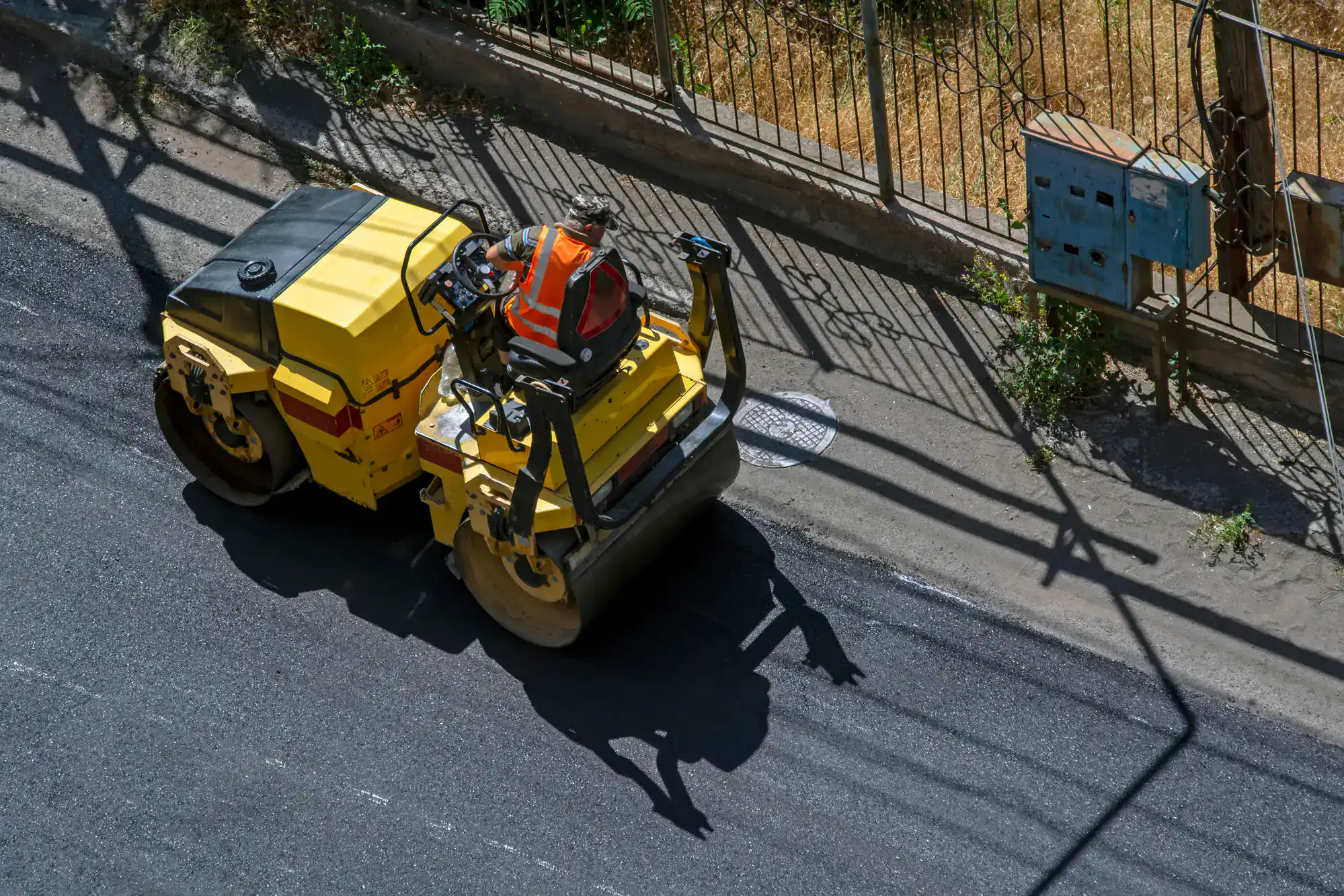
With proper installation and regular maintenance, commercial asphalt paving in Central Florida typically lasts 15 to 20 years before needing resurfacing. That lifespan depends heavily on the quality of the initial work—specifically the base preparation and drainage design.
Florida’s climate is tough on asphalt. UV exposure breaks down the binder. Rain finds its way into small cracks and expands them. Without sealcoating every few years and prompt crack repair, you’ll see deterioration accelerate. But when the foundation is solid and maintenance stays on schedule, commercial parking lots hold up well even with heavy daily traffic.
The key is starting with proper thickness for your traffic load and ensuring water moves off the surface instead of pooling. Standing water is asphalt’s worst enemy in Florida. Get the drainage right and the grading correct, and you’re looking at decades of service instead of constant repairs.
Resurfacing means adding a new layer of asphalt on top of the existing surface. It’s a cost-effective option when the base is still solid but the top layer is worn, faded, or showing surface cracks. You’re essentially giving the parking lot a new wearing surface without tearing everything out.
Repaving involves removing the old asphalt completely and starting fresh with new base work and new asphalt layers. This is necessary when the base has failed, when you’re seeing major settling or structural issues, or when the existing pavement is too far gone to resurface effectively.
The decision comes down to the condition of what’s underneath. We evaluate the base, check for drainage problems, and look at the extent of existing damage. Sometimes resurfacing buys you another 10-15 years. Other times, trying to resurface over a failed base just wastes money. An honest assessment upfront saves you from throwing good money after bad.
Commercial parking lot paving in the Lake Shipp Heights area typically runs between $2.50 and $7 per square foot, depending on the scope of work, site conditions, and specifications. New installation costs more than resurfacing. Larger projects benefit from economies of scale. Complex layouts with lots of curbing or islands increase labor costs.
That range includes site preparation, base work, asphalt installation, and compaction. It doesn’t include extras like striping, ADA-compliant ramps, or significant drainage improvements. Every project is different, which is why free consultations and transparent estimates matter.
The real question isn’t just cost—it’s value. Cheap commercial paving that fails in three years costs more in the long run than quality work that lasts 20. You’re looking at material quality, proper base depth, adequate compaction, and attention to Florida-specific requirements like drainage and heat resistance. The lowest bid often skips the details that determine whether your parking lot holds up or becomes a maintenance headache.
Any commercial paving project involves some level of disruption, but experienced contractors minimize it through careful planning and phased work. The goal is keeping your business accessible while the work gets done.
For larger parking lots, the work can be sectioned off so portions remain open for customer and employee parking. Scheduling can happen during off-hours or slower business periods when traffic is lighter. Clear communication with your team and customers about timelines and access points makes a big difference.
Smaller lots or full replacements require more coordination. You might need temporary parking arrangements or adjusted hours during critical phases. The paving itself moves relatively quickly—it’s the prep work and curing time that take longer. We walk you through the timeline upfront, explain what happens when, and help you plan around it. Surprises during construction usually mean poor planning on the contractor’s end.
Absolutely. Florida’s combination of intense UV exposure, high humidity, heavy rainfall, and temperature swings creates conditions that accelerate asphalt deterioration. Commercial paving in Central Florida requires adjustments that contractors in other regions might not consider.
The mix design matters—asphalt binder needs to handle sustained heat without softening excessively. Drainage design is critical because Florida gets serious rain, and standing water destroys asphalt from below. Proper compaction becomes even more important in humid conditions where moisture affects curing.
Ongoing maintenance also differs. Sealcoating every 2-4 years protects against UV damage and moisture intrusion. Crack sealing needs to happen promptly because small cracks become big problems fast when water gets involved. Commercial parking lots in Lake Shipp Heights, FL face these conditions year-round, so preventive maintenance isn’t optional—it’s what determines whether your investment lasts 20 years or needs replacement in 10.
Surface issues like minor cracking, fading, or worn striping usually mean you need maintenance—sealcoating, crack filling, and fresh paint. These are normal wear items that regular upkeep addresses without major expense.
Deeper problems signal bigger issues. Potholes, significant settling, alligator cracking (that web-like pattern), or areas where the base is clearly failing mean the damage goes beyond the surface. Standing water that doesn’t drain, large depressions, or sections where the asphalt is breaking apart indicate structural problems that resurfacing won’t fix.
The best approach is getting an honest evaluation from a commercial paving contractor who’s not just trying to sell you the biggest job possible. Sometimes strategic repairs and resurfacing extend the life significantly. Other times, continuing to patch a failing parking lot just delays the inevitable while costing you more in the long run. A free consultation should give you a clear picture of what you’re dealing with and what your realistic options are.
Other Services we provide in Lake Shipp Heights