Hear from Our Customers
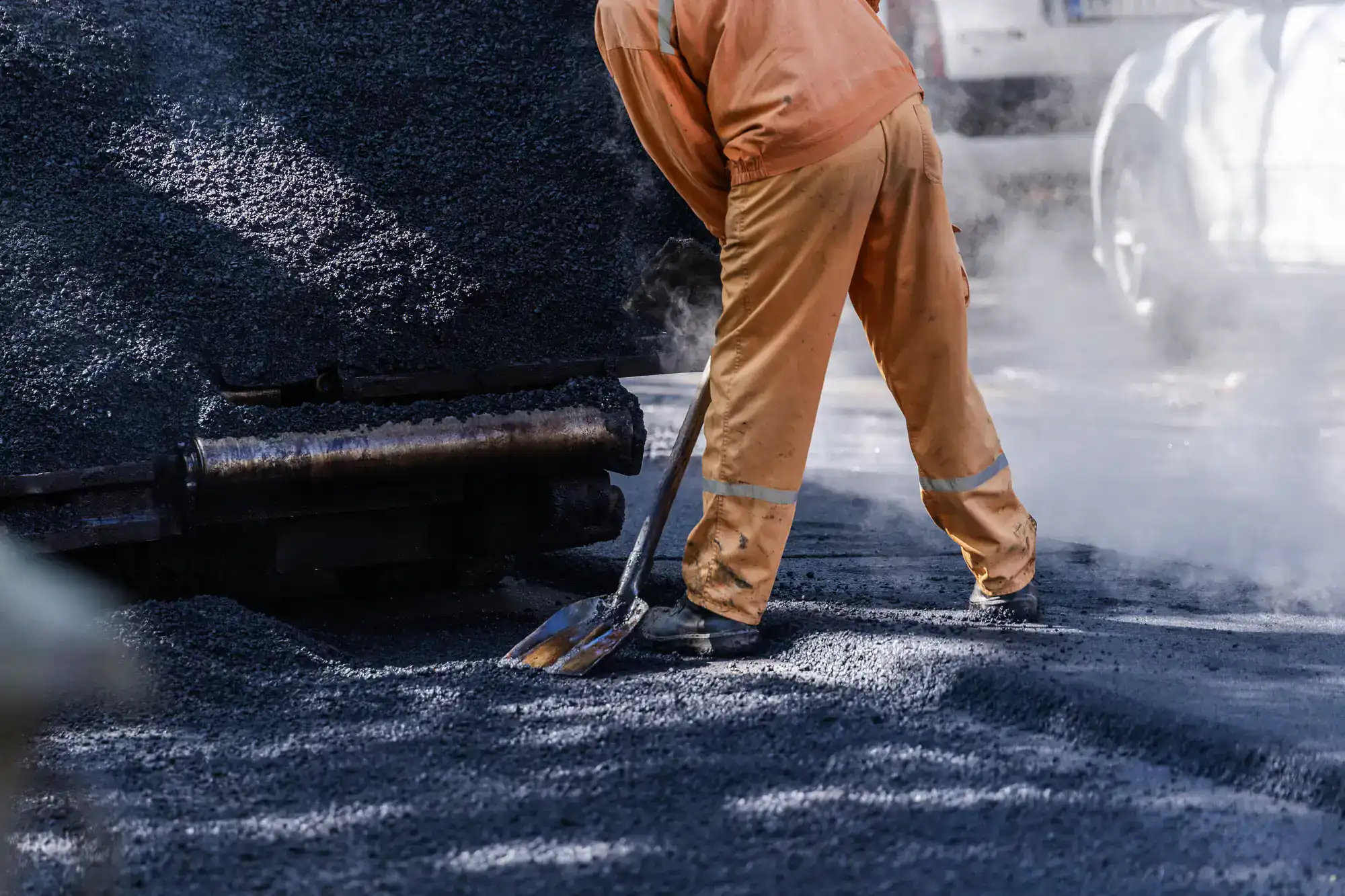
A smooth, well-maintained parking lot isn’t just about looks. It’s about keeping customers safe, avoiding liability headaches, and making sure people actually want to visit your business. When your asphalt is cracked, uneven, or full of potholes, you’re creating trip hazards and vehicle damage risks.
Proper commercial paving eliminates those problems from day one. You get a surface that handles heavy traffic without breaking down, drains water efficiently instead of creating puddles, and presents a professional image that tells customers you care about details.
Florida’s climate is brutal on asphalt. Intense UV rays, heavy rainfall, and humidity work together to break down pavement faster than almost anywhere else. If your parking lot wasn’t installed correctly or hasn’t been maintained, you’re looking at premature failure and expensive emergency repairs. Commercial asphalt paving done right means fewer headaches, lower long-term costs, and a parking lot that actually lasts 15-20 years instead of falling apart in five. You’re also reducing liability risks—smooth, well-maintained surfaces mean fewer accidents and potential lawsuits.
We’ve been handling commercial paving projects across Central Florida for over four decades. Based in Winter Garden, we know exactly what Florida weather does to asphalt and how to build parking lots that stand up to it.
Inwood sits in Polk County, just south of Winter Haven, where the combination of summer heat, afternoon thunderstorms, and year-round humidity puts serious stress on pavement. We understand the local conditions—soil composition, drainage requirements, and the kind of base preparation that prevents early cracking and settling. We’re licensed and insured across Central Florida, and we handle every project with the same attention to detail, whether it’s a small business lot or a large commercial facility.
First, we evaluate your site. We look at existing pavement condition, drainage patterns, traffic flow, and any problem areas. You get a transparent estimate with no hidden fees—just a clear breakdown of what the project involves and what it costs.
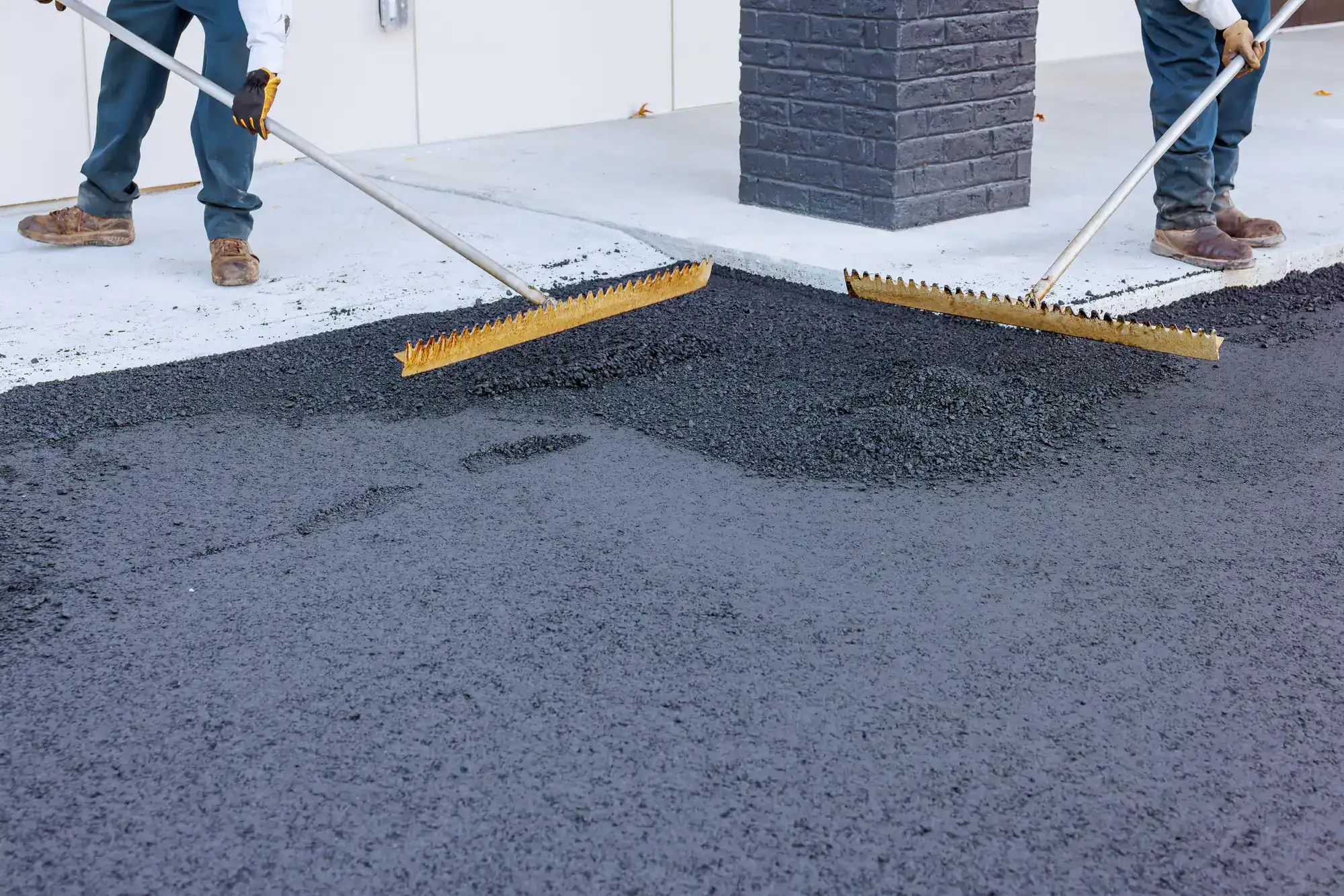
Next comes preparation. If you’re resurfacing, damaged asphalt gets removed. If it’s new construction, the site is graded and compacted properly. The base layer is critical—skip this step or do it wrong, and your parking lot fails early. We use proper base materials and compaction techniques to create a stable foundation that won’t shift or settle.
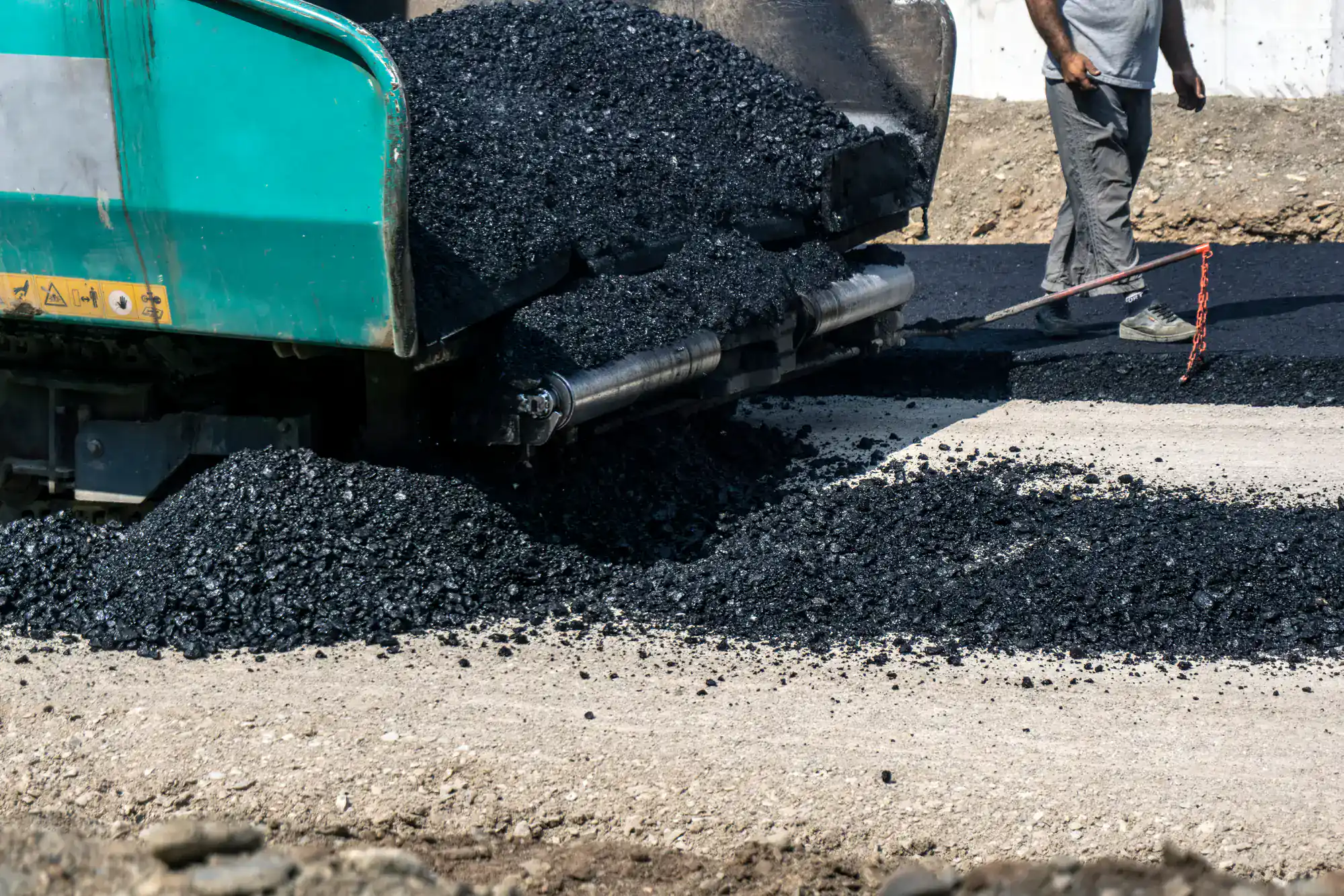
Then comes paving. Hot asphalt is applied in layers, compacted to the right density, and finished smooth. Temperature and timing matter here—asphalt needs to be installed at the right temperature and compacted before it cools too much. After paving, striping and markings go in to organize traffic flow and ensure ADA compliance. You get a parking lot that’s safe, functional, and built to handle Central Florida conditions for the long haul.
Ready to get started?
Commercial paving covers more than just laying asphalt. You get site evaluation and planning, proper base preparation, asphalt installation, and traffic striping. We also handle repairs, resurfacing, sealcoating, and ongoing maintenance to protect your investment.
In Inwood and the broader Polk County area, drainage is a major concern. Summer storms dump heavy rain in short bursts, and if your parking lot doesn’t drain properly, water pools and seeps into the asphalt base. That leads to cracking, potholes, and premature failure. We design drainage solutions that move water off your lot efficiently, preventing the kind of damage that turns into expensive repairs down the road.
ADA compliance is another critical piece. Federal law requires accessible parking spaces, proper slopes, and compliant curb ramps. Get this wrong and you’re facing violations and potential lawsuits. We handle all compliance requirements, so your parking lot meets regulations from day one. We also coordinate with local permitting offices to make sure everything is approved and documented properly—one less thing you have to manage.
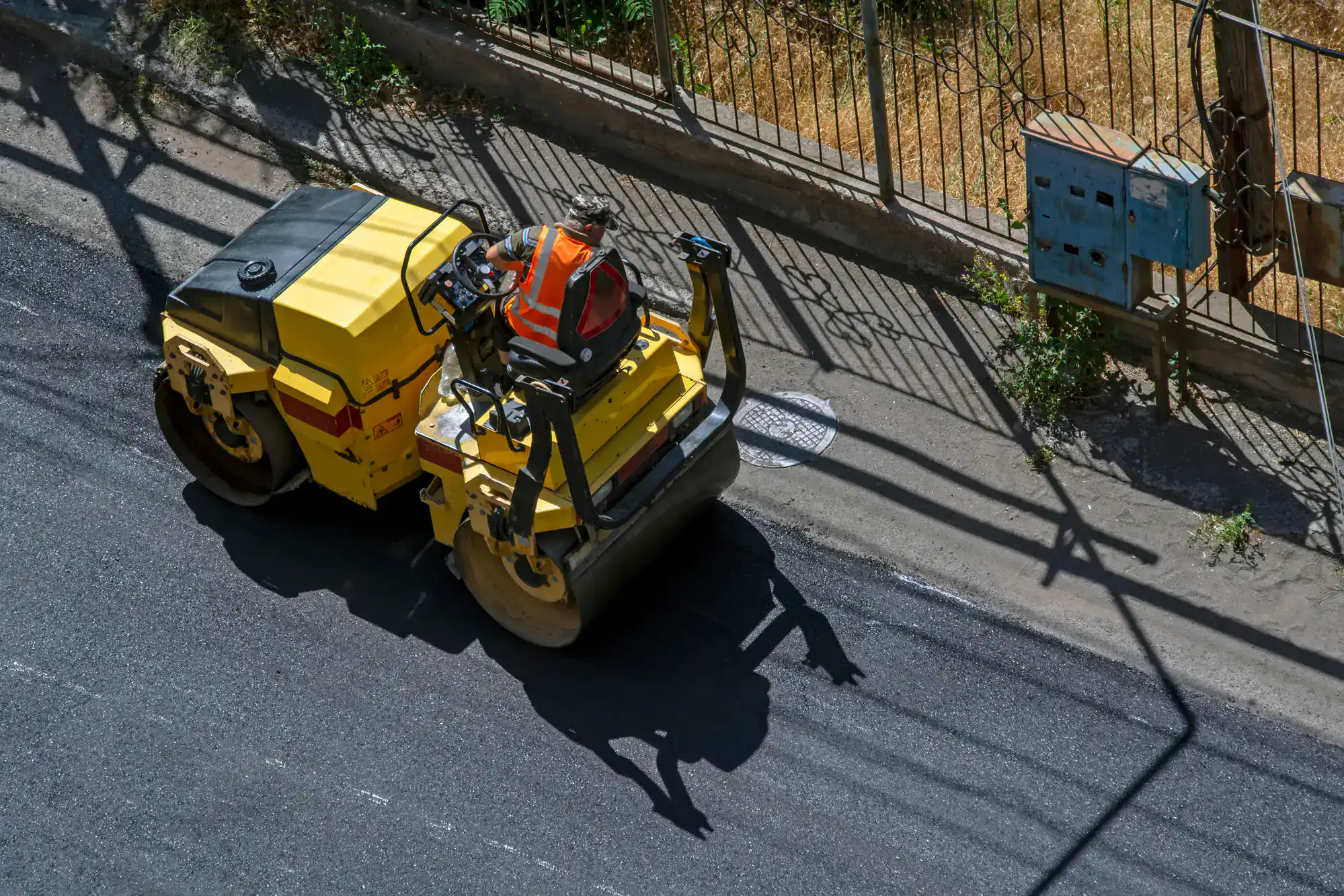
With proper installation and regular maintenance, commercial asphalt paving in Central Florida should last 15-20 years. That’s assuming the base was prepared correctly, drainage works as intended, and you’re keeping up with sealcoating every few years.
Florida’s climate shortens asphalt lifespan compared to cooler regions. UV rays oxidize the surface, heat causes expansion and contraction, and heavy rain accelerates wear. If your parking lot was installed by a contractor who cut corners on base prep or used substandard materials, you might see failure in 5-7 years instead. The upfront investment in quality work pays off because you’re not replacing the entire lot a decade early.
Regular maintenance extends life significantly. Sealcoating protects against UV damage and water infiltration. Crack filling prevents small issues from becoming big problems. Proper drainage maintenance keeps water from undermining the base. Skipping maintenance means you’re shortening the lifespan of your investment.
Asphalt overlay means milling off the top layer of damaged asphalt and applying a new surface layer over the existing base. Full-depth replacement means tearing out everything—asphalt and base—and rebuilding from scratch. Which one you need depends on the condition of your base and how extensive the damage is.
Overlay works when the base is still solid but the surface is worn, cracked, or faded. It’s more affordable than full replacement and can add another 10-15 years of life to your parking lot. The existing base gets evaluated first to make sure it’s stable and properly compacted. If the base has failed—settling, shifting, or severe cracking—overlay won’t fix the underlying problem and you’ll see new damage quickly.
Full replacement is necessary when the base has failed or when there’s extensive structural damage throughout the pavement. Signs you need full replacement include widespread alligator cracking, deep potholes, significant settling, or drainage problems caused by base failure. It costs more upfront, but you’re getting a parking lot built correctly from the ground up, which means decades of reliable service instead of patching problems every few years.
Preventing cracks starts with proper base preparation and drainage design. Florida’s soil conditions and climate mean water management is critical. If water gets into the base layer, it weakens the foundation and causes the asphalt above to crack and fail.
The base needs to be properly compacted and graded so water drains away from the pavement instead of pooling underneath. Adequate base thickness distributes weight evenly and prevents settling. Using quality asphalt mix designed for Florida’s heat helps too—some mixes hold up better to thermal expansion and UV exposure than others.
Sealcoating every 2-3 years creates a protective barrier against UV rays, water infiltration, and chemical damage from vehicle fluids. It keeps the asphalt flexible and prevents oxidation that leads to surface cracking. Crack filling catches small cracks before they spread. Regular maintenance is the difference between a parking lot that lasts 20 years and one that needs major repairs after 7.
First, make sure they’re licensed and insured in Florida. You want proof of liability insurance and workers’ comp coverage. If something goes wrong on your property, you need to know you’re protected. Ask for references from other commercial clients and check their work history.
Look for contractors with specific experience in commercial projects, not just residential driveways. Commercial paving involves different equipment, larger crews, and more complex logistics. Ask about their process for base preparation, drainage design, and compaction. Contractors who can explain these details usually know what they’re doing. Ones who gloss over technical questions or just talk about price might be cutting corners.
Get a detailed written estimate that breaks down materials, labor, timeline, and any additional costs. Be wary of contractors who give you a price without evaluating your site first—they’re either guessing or planning to hit you with change orders later. Transparent pricing and clear communication from the start usually means you’re working with someone who runs a professional operation. Check how they handle scheduling and whether they can work around your business hours to minimize disruption.
Commercial parking lot paving costs vary based on lot size, existing condition, drainage requirements, and whether you need full replacement or overlay. Ballpark figures for Central Florida run $3-7 per square foot for overlay and $7-12 per square foot for full-depth replacement, but your specific project could fall outside that range depending on site conditions.
Factors that affect cost include base preparation requirements, amount of grading needed, drainage system installation, ADA compliance work, and striping. A parking lot with good drainage and a solid existing base costs less than one with standing water problems and a failed base. Projects requiring significant excavation, new storm drains, or extensive site work add to the total.
The cheapest bid isn’t always the best value. Contractors who underbid often cut corners on base prep, use thinner asphalt layers, or skip steps that ensure long-term durability. You might save 20% upfront and then spend double that on repairs and premature replacement. Get detailed estimates from multiple contractors, compare what’s actually included, and ask questions about materials and methods. We provide transparent pricing and free consultations so you know exactly what you’re getting before any work starts.
Not usually. Most commercial paving projects can be phased so you maintain access to your building and keep operations running. We section off work areas, complete them, and then move to the next section. Customers and employees can still access your property, just through designated routes.
Timing matters. Many commercial paving projects happen during off-hours—evenings, weekends, or times when your business has lower traffic. Asphalt cures quickly enough that we can often pave one section in the evening and have it ready for light traffic by morning. Full curing takes longer, but you don’t need to wait for full curing to allow access.
Communication with your paving contractor is key. Discuss your operational needs upfront so we can plan the project around your schedule. We provide advance notice about which areas will be inaccessible and when, so you can inform customers and staff. Good contractors minimize disruption—that’s part of professional commercial paving service. We work with business owners to schedule projects that keep operations running smoothly while still delivering quality results.
Other Services we provide in Inwood