Hear from Our Customers
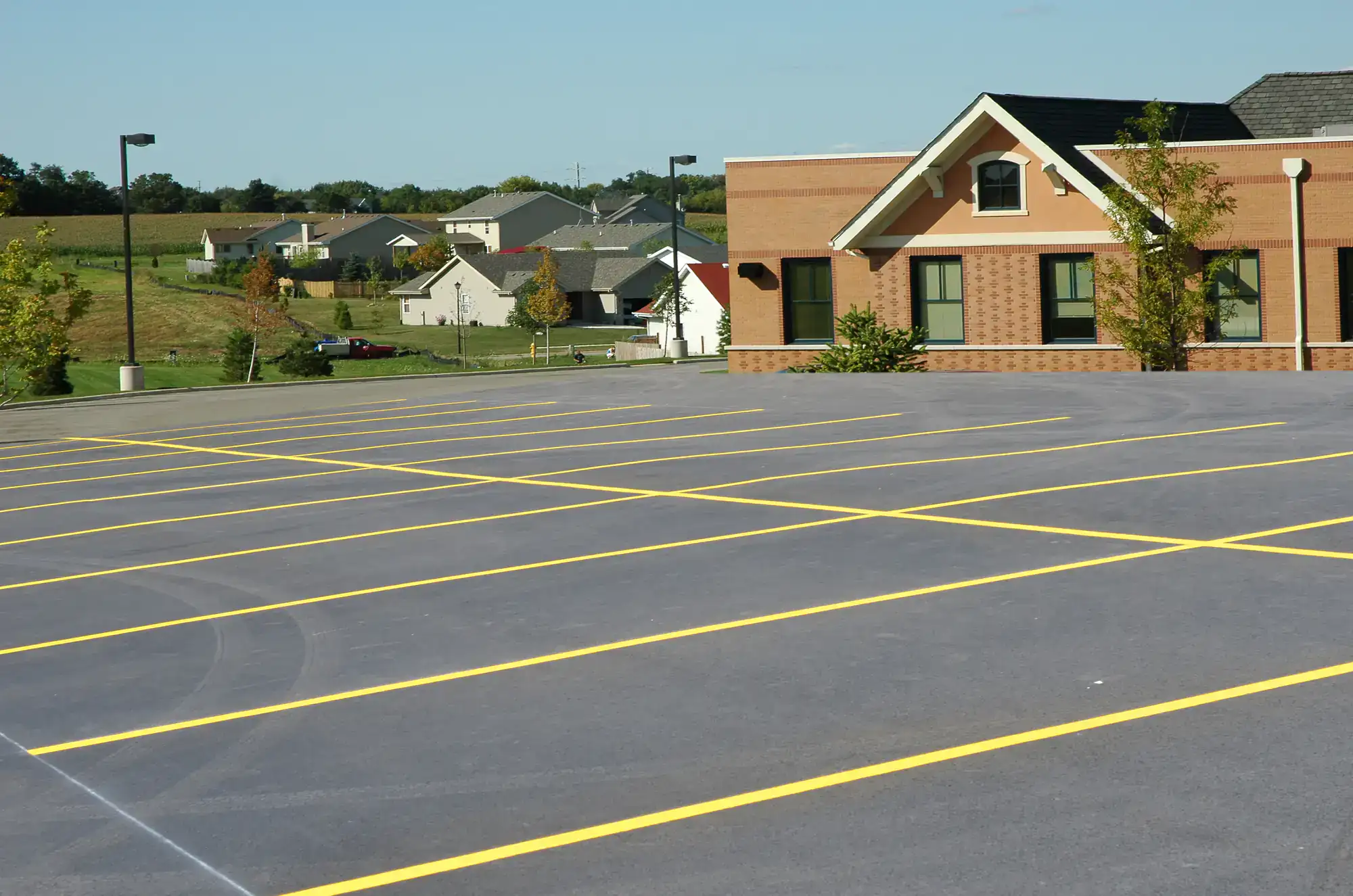
You’re not just getting asphalt laid down. You’re getting a surface that drains properly after Florida’s afternoon storms, doesn’t crack within two years, and keeps your customers safe from the moment they pull in.
A well-installed commercial parking lot means fewer complaints about puddles, fewer liability concerns, and a property that looks like you actually care about it. It means your maintenance budget stays predictable instead of getting eaten up by emergency repairs every season.
When the job’s done right from the start, you’re not calling someone back in six months. You’re focused on running your business, not babysitting your pavement.
We’re based in Winter Garden and have been serving Green Bay and the surrounding Central Florida area for years. We know what Florida weather does to asphalt, and we know how to install it so it actually lasts.
We’re not the cheapest option, and we won’t pretend to be. What you get is transparent pricing, modern equipment, and a crew that shows up when we say we will. No surprises, no excuses.
Green Bay businesses need commercial paving contractors who understand local conditions—soil that shifts, heat that doesn’t quit, and rain that comes hard and fast. We’ve handled commercial projects across the region, from small office lots to large retail centers, and we approach every job the same way: do it right, or don’t do it at all.
It starts with a free consultation. Someone comes out, looks at your property, asks about your timeline and concerns, and gives you a clear estimate. No vague “we’ll see” pricing.
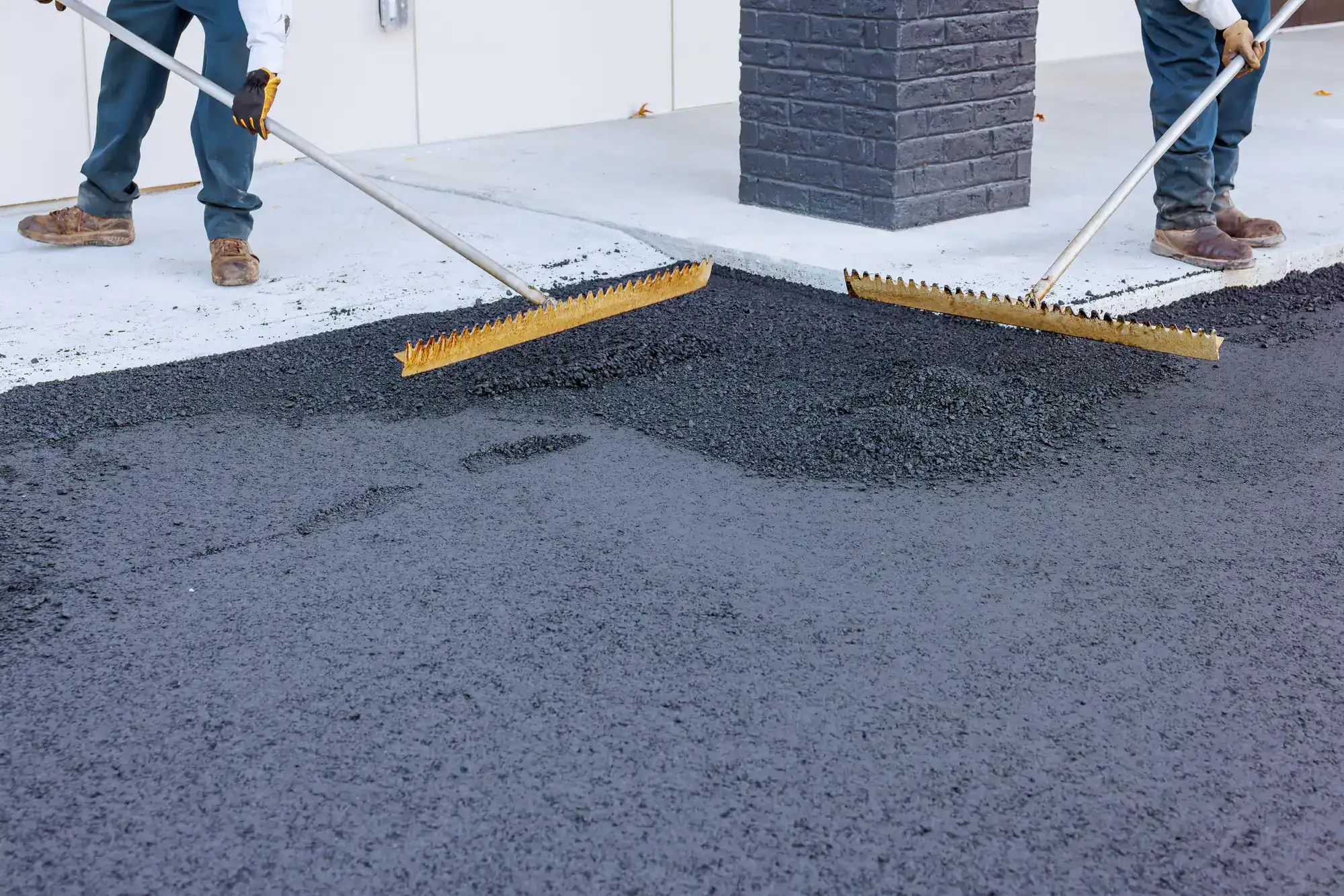
Once you’re ready to move forward, our crew preps the site—grading it properly so water drains away from your building, not toward it. Base material goes down and gets compacted. This step matters more than most people realize. Skip it or rush it, and your asphalt will fail early.
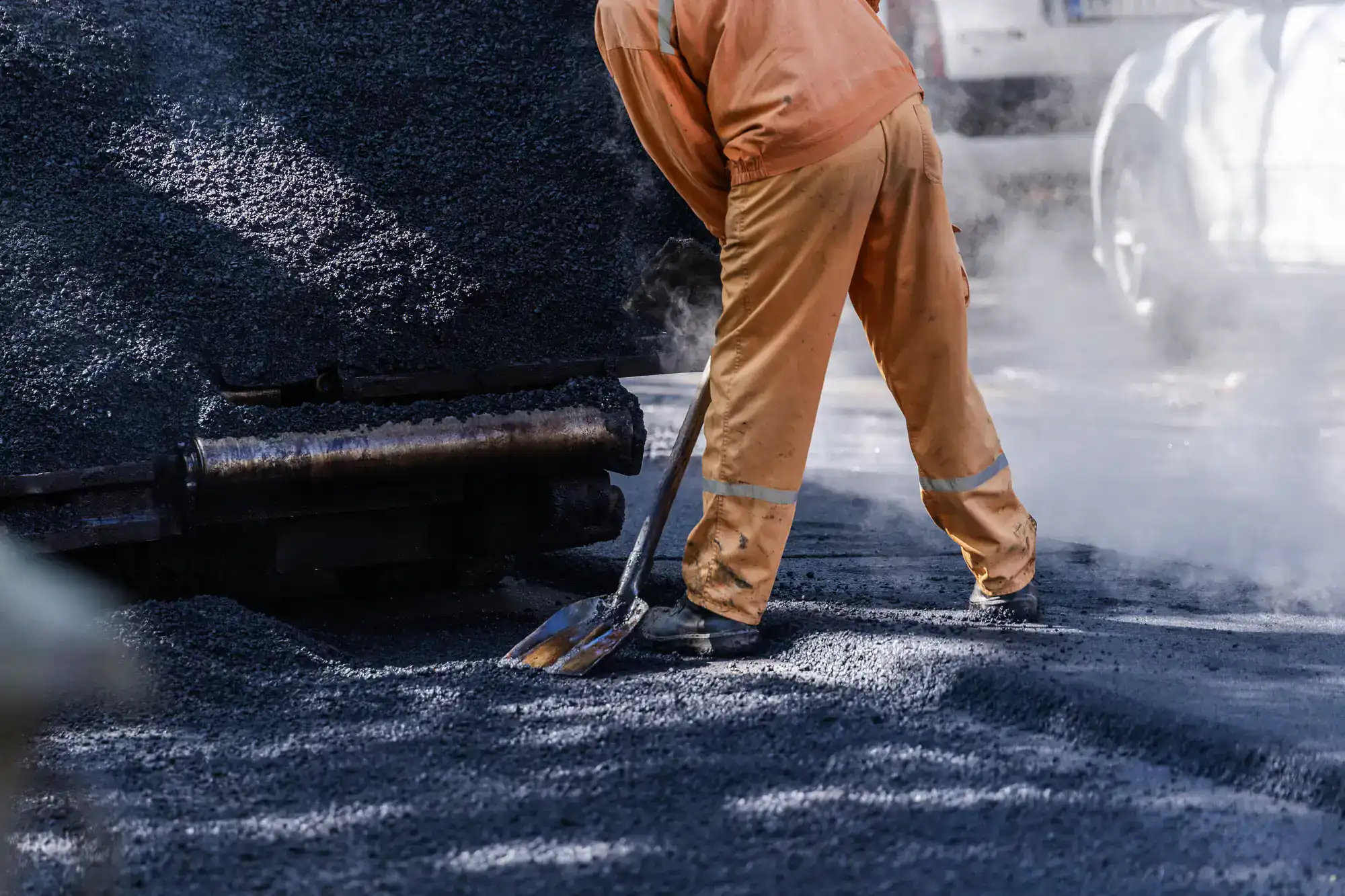
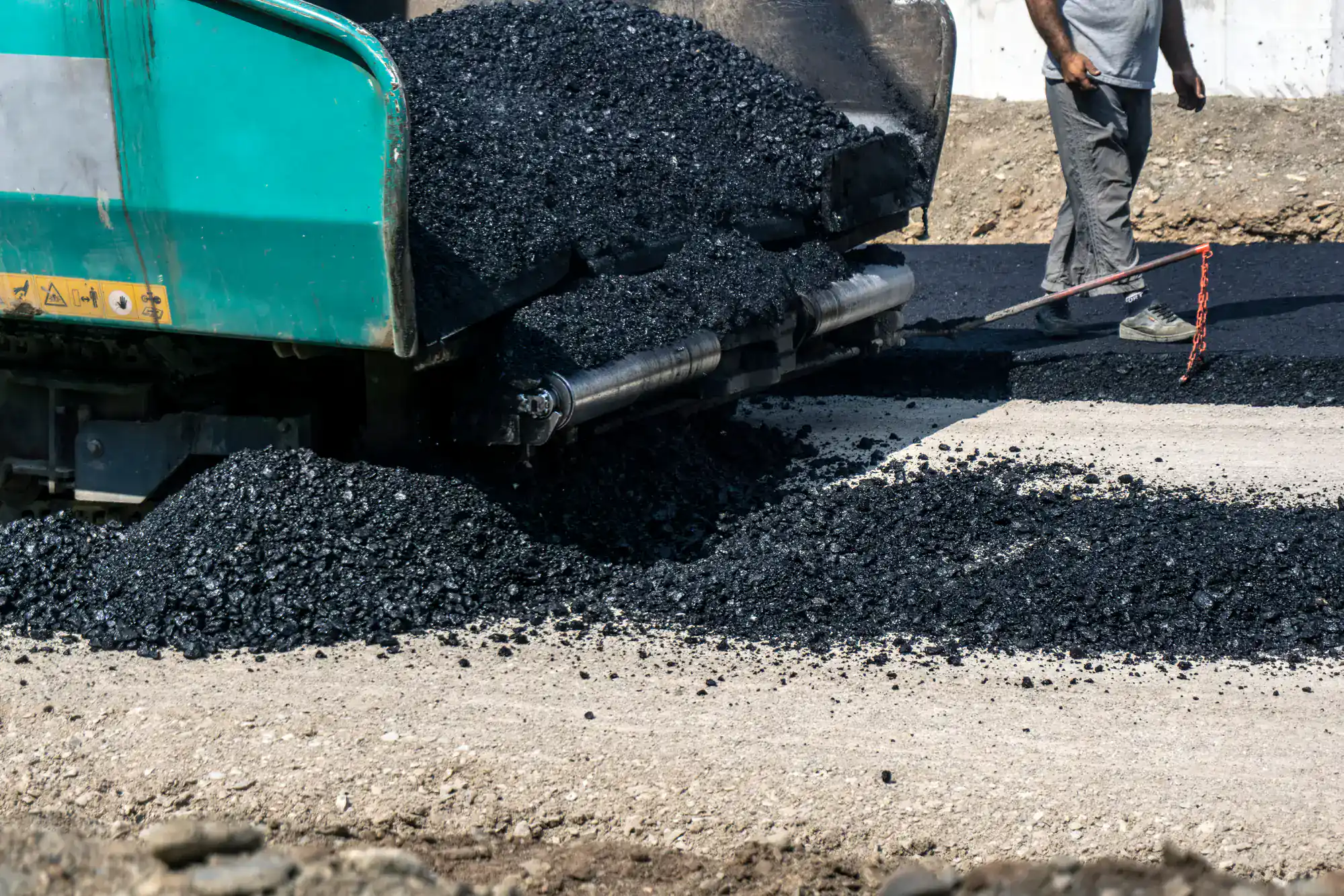
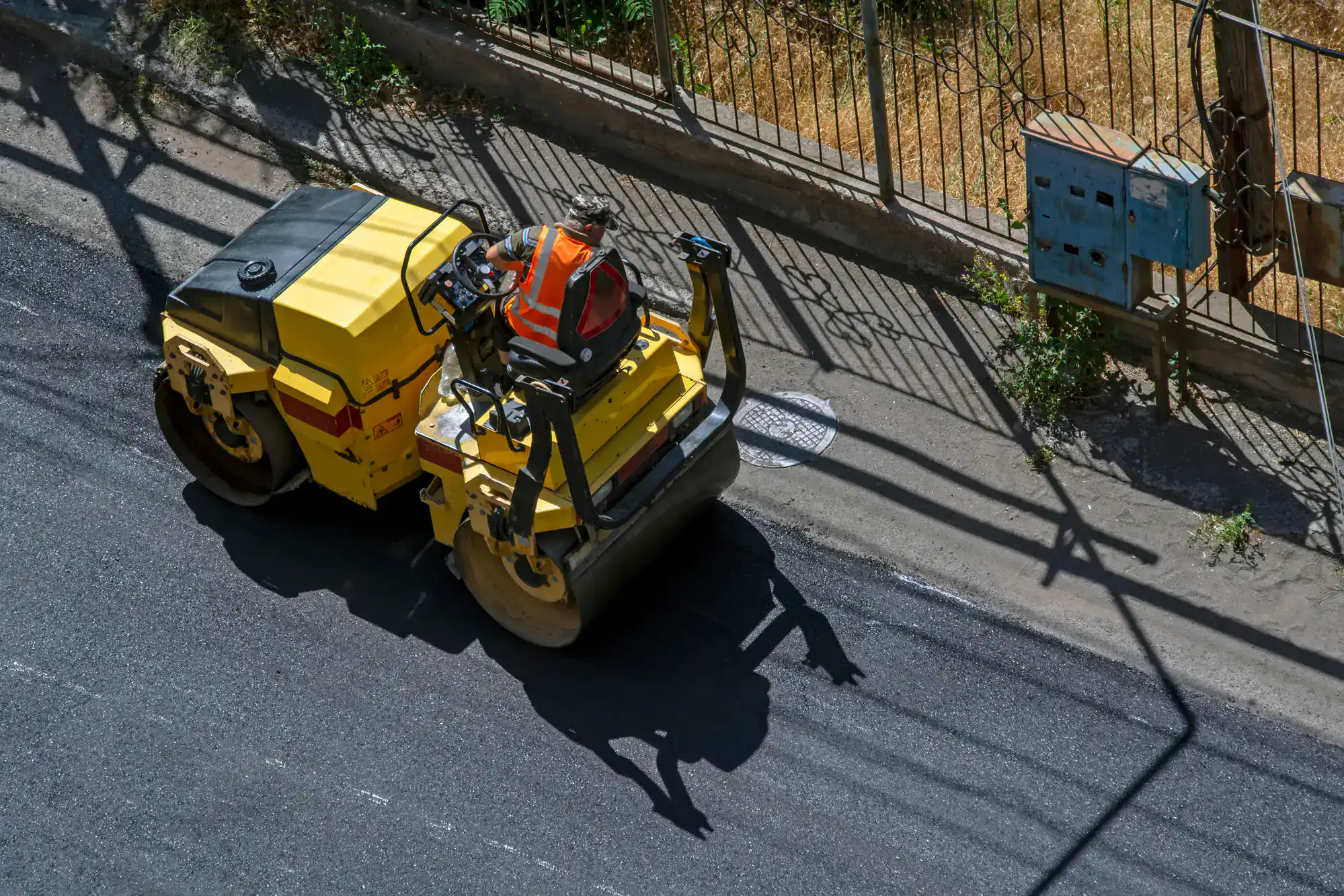
Then comes the asphalt itself. Hot mix gets laid, compacted, and smoothed to create an even surface that can handle the load. If you need striping, ADA-compliant spaces, or specific markings, that happens after the asphalt cures. The timeline depends on the size of your lot, but the goal is always the same: get you back to business as fast as possible without cutting corners.
Ready to get started?
You’re getting site evaluation and grading to ensure proper drainage—critical in Green Bay where afternoon storms dump inches of rain in minutes. You’re getting quality base preparation, which is the foundation of a parking lot that doesn’t settle or crack prematurely.
The asphalt installation itself uses modern equipment to deliver a smooth, even surface. Compaction is done right so the pavement holds up under delivery trucks, customer traffic, and Florida’s heat. If your lot needs striping, handicap spaces, or fire lane markings, we handle that too.
For businesses in Green Bay, proper commercial parking lot paving also means understanding the local environment. The soil composition here can be tricky—sandy in some areas, clay-heavy in others. As commercial paving contractors who know Central Florida, we adjust the base depth and materials accordingly. We also account for the fact that your lot sits in direct sun most of the year, which means using asphalt mixes that resist softening and rutting in high temperatures.
We provide clear communication throughout the project. You’ll know when our crew is arriving, how long each phase takes, and when you can reopen sections of your lot. For Green Bay businesses, that means less disruption and fewer headaches. You’re not left guessing or scrambling to update your customers about access.
It depends on the size of your lot and the scope of work, but most commercial paving projects take anywhere from a few days to a couple of weeks. Smaller lots—think a medical office or small retail center—can often be completed in two to four days if weather cooperates. Larger projects, like shopping centers or industrial facilities, take longer.
The timeline also depends on whether you’re doing a full replacement or an overlay. Full replacement involves removing old asphalt, regrading, and starting fresh. That adds time but gives you a longer-lasting result. Overlays are faster but only work if your existing base is in good shape.
Weather plays a role too. You can’t pave in the rain, and Florida’s afternoon storms can push timelines back. We’ll give you a realistic estimate upfront and keep you updated if delays happen.
Commercial asphalt is built to handle heavier loads and more traffic. Your parking lot isn’t just dealing with passenger cars—it’s dealing with delivery trucks, constant turning, and vehicles sitting in the same spots for hours in the Florida heat. That means thicker asphalt, a stronger base, and more attention to compaction.
Commercial projects also require proper drainage planning. A residential driveway might have a simple slope. A commercial lot needs strategic grading, catch basins, and sometimes storm drains to handle the volume of water that comes with Florida’s rainy season. If water pools in your lot, it seeps into the asphalt, weakens the base, and leads to cracking and potholes.
Then there’s compliance. Commercial lots need ADA-accessible spaces, proper striping, and sometimes fire lane markings. You’re not just paving—you’re meeting legal requirements that protect your business from liability. A commercial paving contractor should know these requirements and build them into the project from the start.
Costs vary widely depending on the size of your lot, the condition of the existing surface, and what needs to be done. A small lot might run a few thousand dollars. A large retail or industrial lot can easily hit six figures. The only way to get an accurate number is to have someone look at your specific property.
What drives the cost? The base preparation is a big factor. If your lot has poor drainage or a failing base, that needs to be fixed before new asphalt goes down. Skipping that step might save money upfront, but you’ll pay for it later when the new asphalt fails. Thickness matters too—commercial lots typically need at least two to three inches of asphalt, sometimes more depending on traffic.
Don’t just shop for the lowest bid. A cheap job done poorly will cost you more in repairs and lost business than paying a fair price for quality work. Look for transparent pricing, a clear scope of work, and a contractor who explains what you’re actually paying for.
If you’re seeing surface cracks, minor wear, or fading but the pavement is still structurally sound, resurfacing might be enough. Resurfacing means adding a new layer of asphalt over the existing surface. It’s faster and cheaper than full replacement, and it can extend your lot’s life by several years.
But if you’ve got deep cracks, potholes, widespread crumbling, or areas where the pavement is sinking, you likely need full replacement. Those are signs that the base has failed, and no amount of resurfacing will fix that. You’d just be putting new asphalt over a bad foundation, and it’ll fail again quickly.
We’ll walk your lot with you and tell you honestly what’s needed. We’ll explain why we’re recommending one option over the other. If someone’s pushing for full replacement without showing you why, or promising resurfacing will fix serious structural issues, that’s a red flag.
Yes, and it’s common for commercial projects. Most businesses can’t afford to shut down completely while their parking lot gets paved. A phased approach lets you keep part of your lot open so customers and employees still have access.
We’ll section off the area being worked on, complete that phase, let it cure, and then move to the next section. It takes a bit longer overall, but it keeps your business running. You’ll need to communicate with your customers about which entrances or sections are accessible, but it’s manageable.
The key is planning it out ahead of time. Talk to us about your busiest days and times. If you’re a restaurant, maybe you avoid paving on weekends. If you’re a medical office, maybe you schedule around patient appointments. We’ve done enough commercial work to know how to structure the project to minimize disruption.
Sealcoating is the big one. It protects the asphalt from UV damage, water infiltration, and chemicals like oil and gas. In Florida’s intense sun, sealcoating every two to three years keeps your lot looking good and extends its lifespan. Skip it, and you’ll see faster deterioration.
Crack sealing is another maintenance task that pays off. Small cracks let water seep into the base, especially during Florida’s rainy season. Once water gets under the asphalt, it weakens the base and leads to bigger problems like potholes. Catching and sealing cracks early is cheap compared to repaving sections later.
Keep your lot clean too. Debris, dirt, and standing water all contribute to wear. Make sure your drains and catch basins stay clear so water flows off the lot like it’s supposed to. Regular inspections help you catch small issues before they turn into expensive repairs. A little attention goes a long way toward protecting your investment.
Other Services we provide in Green Bay