Hear from Our Customers
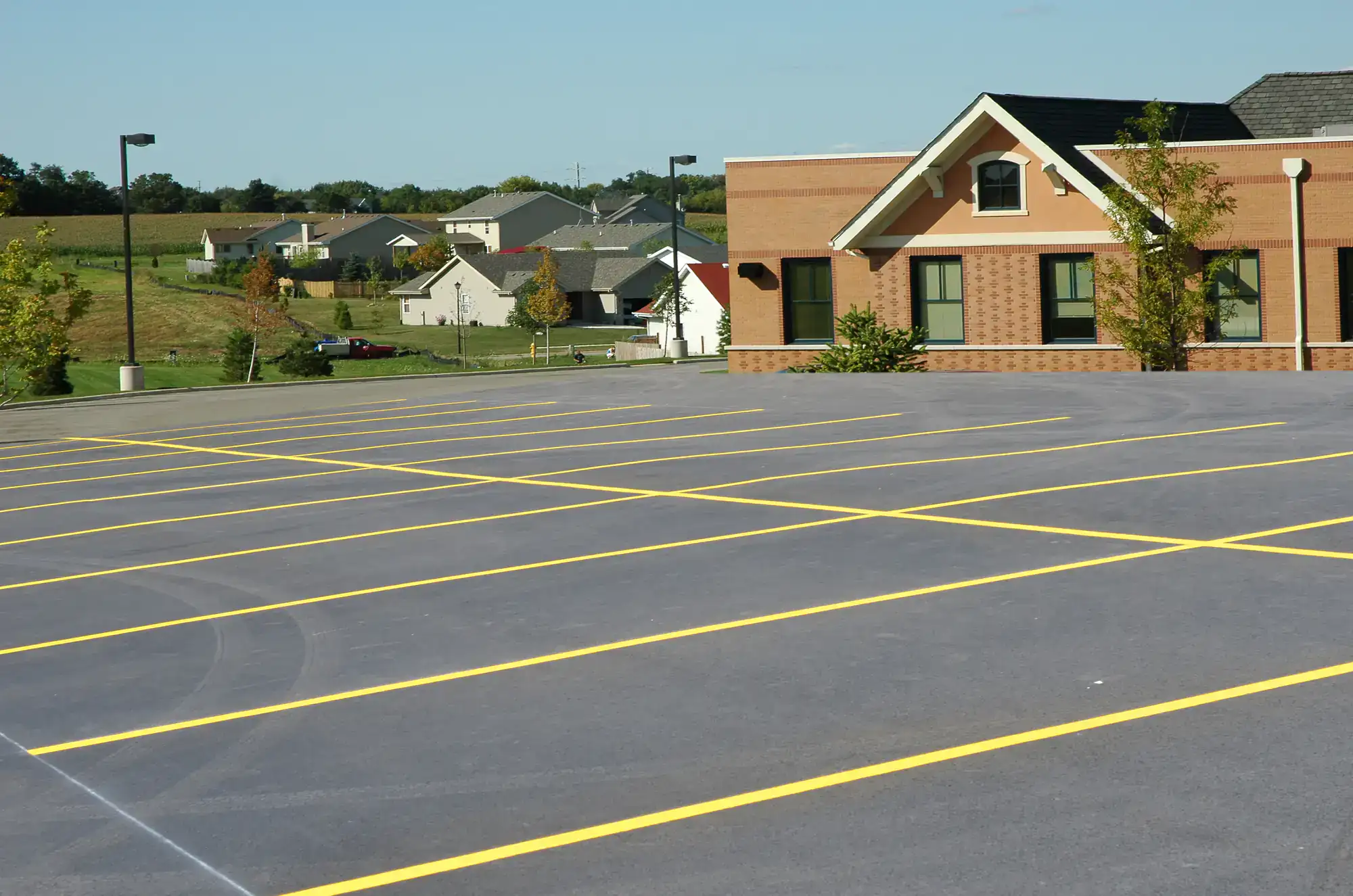
A well-paved parking lot isn’t just about looks. It’s about avoiding the liability headaches that come with cracked pavement and potholes. It’s about customers pulling in and thinking you run a tight operation, not wondering if their car will bottom out.
Here’s what proper commercial paving does for your property. It gives you 15 to 20 more years before you’re looking at replacement costs. It keeps water from pooling and seeping into your foundation. It means fewer angry calls about damaged vehicles or twisted ankles.
Florida’s climate is brutal on asphalt. The UV rays alone will oxidize and crack your surface faster than almost anywhere else in the country. Add in the humidity and those summer downpours, and you’re fighting a losing battle without the right installation from the start. When the base is done right and the asphalt is laid properly, you’re not patching potholes every six months.
We’ve been handling commercial paving projects across the Orlando area since the early 1980s. Based in Winter Garden, we serve business owners throughout Eastwood and the surrounding communities who need parking lots that can handle Florida’s weather without falling apart.
We know what Central Florida’s climate does to asphalt because we’ve been repairing and replacing it for over 40 years. We’ve seen what happens when corners get cut on site prep or when contractors use subpar materials to save a few bucks. That’s why we focus on doing it right the first time—proper grading, quality materials, and modern equipment that ensures maximum compaction.
Every project gets the same attention whether it’s a small business parking area or a large commercial lot. We offer free consultations and transparent pricing so you know exactly what you’re getting before work starts.
It starts with a site evaluation. We assess your current pavement condition, drainage situation, and what kind of traffic load you’re dealing with. If you’re expanding or installing new pavement, we’ll review the soil conditions and grading requirements.
Next comes site preparation. This is where a lot of contractors cut corners, but it’s the most critical phase. The area gets properly graded to ensure water drains away from your building and doesn’t pool on the surface. A solid gravel base goes down and gets compacted into a stable foundation. Without this step done right, your new asphalt will crack and settle within a year or two.
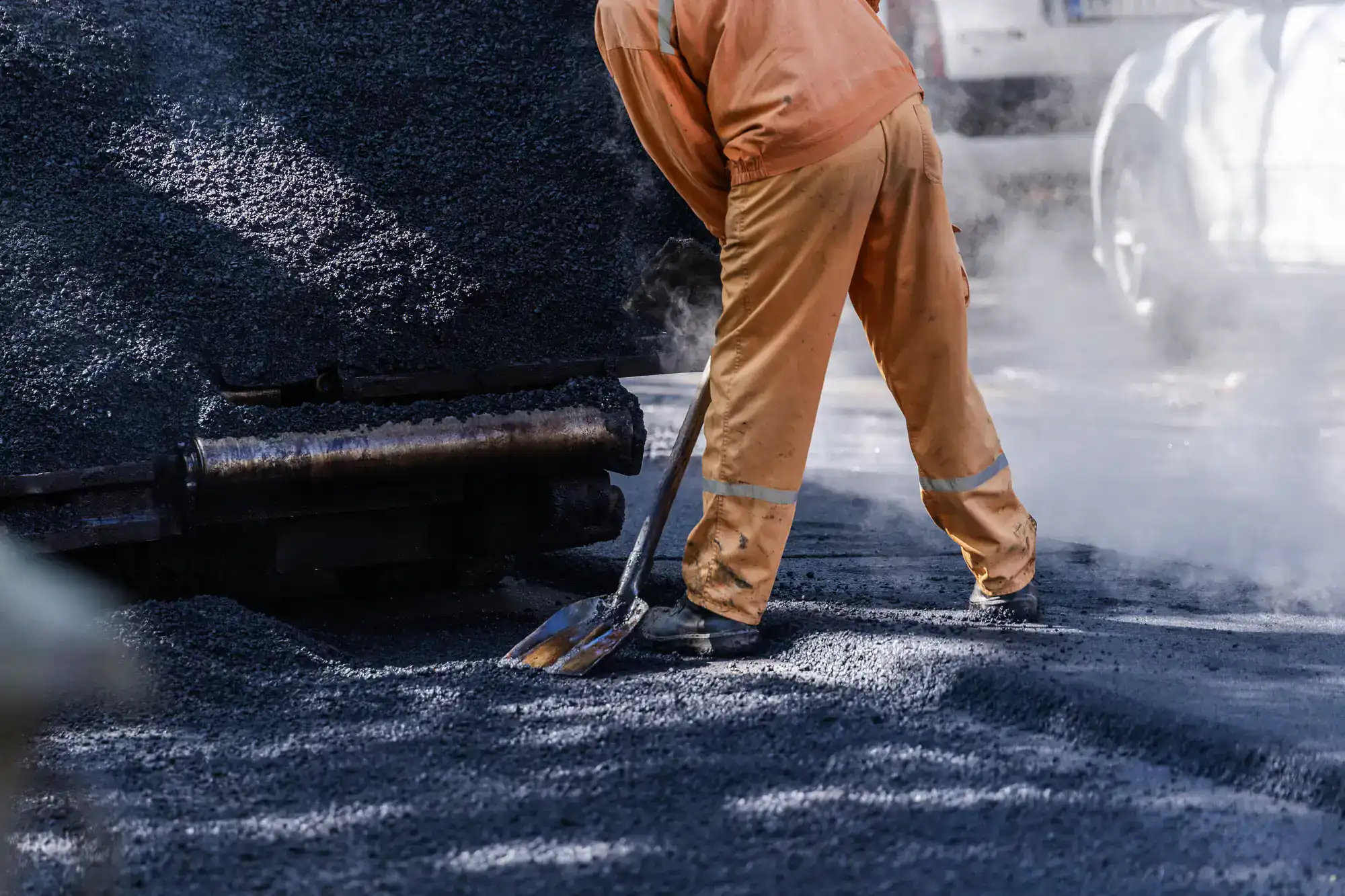
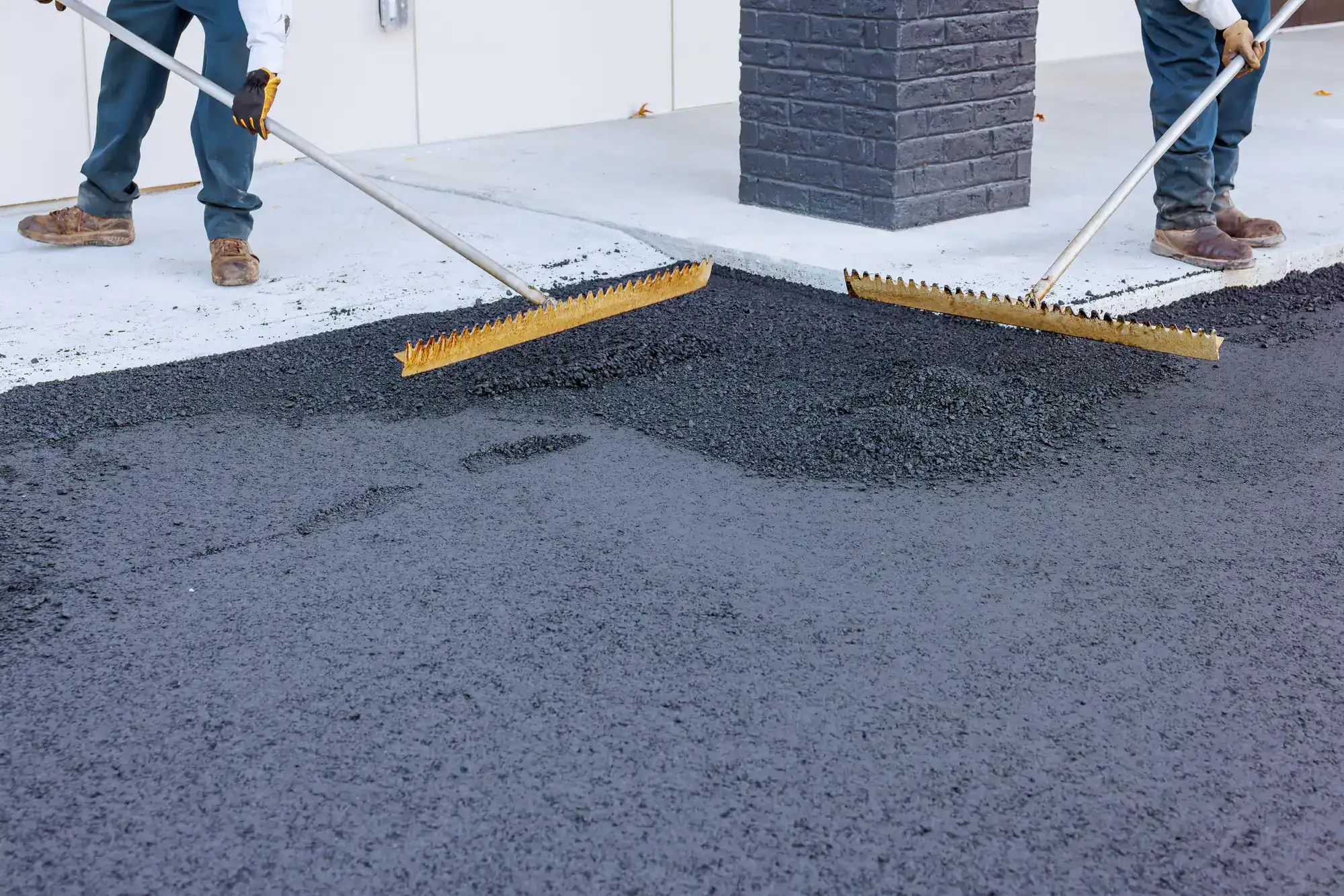
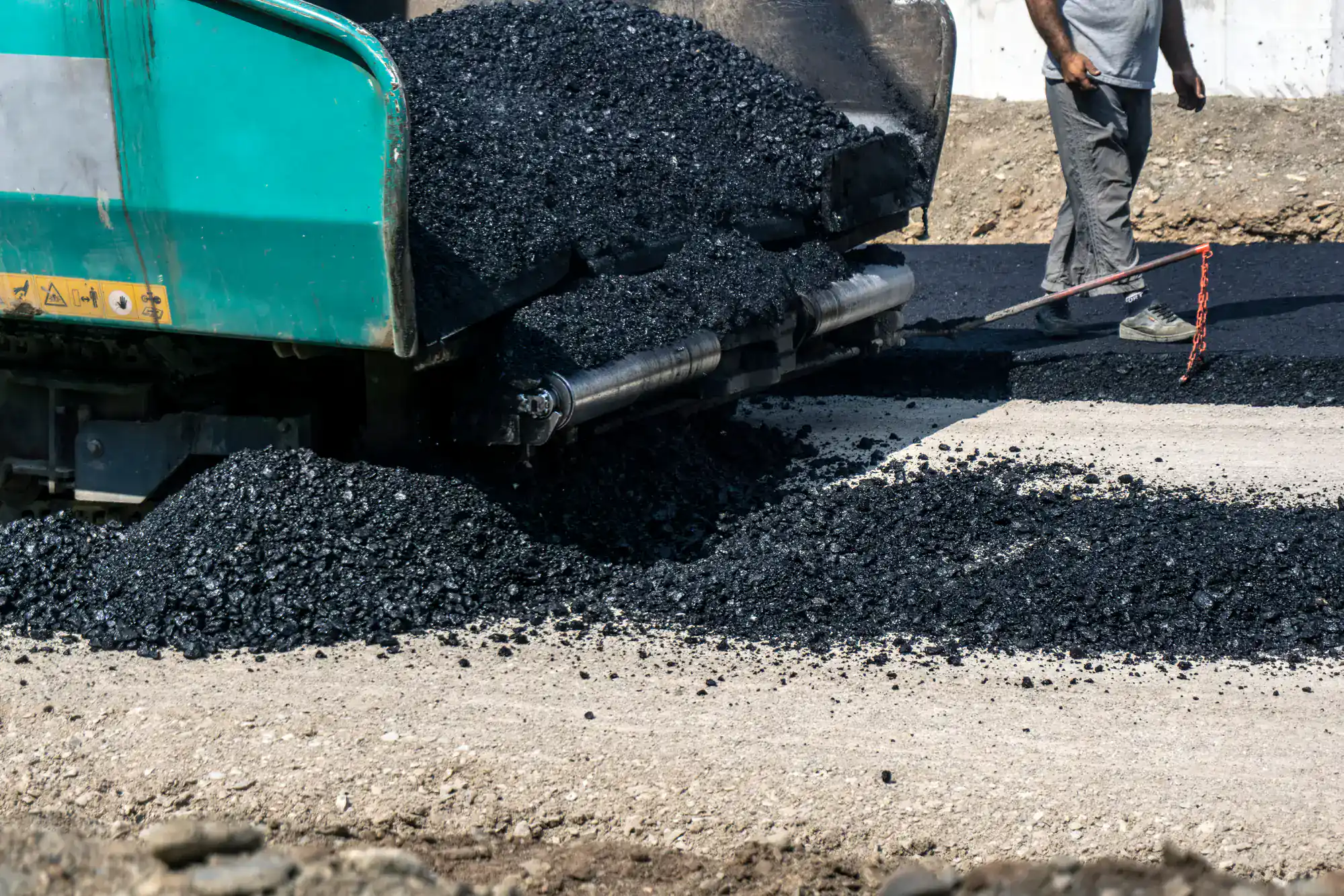
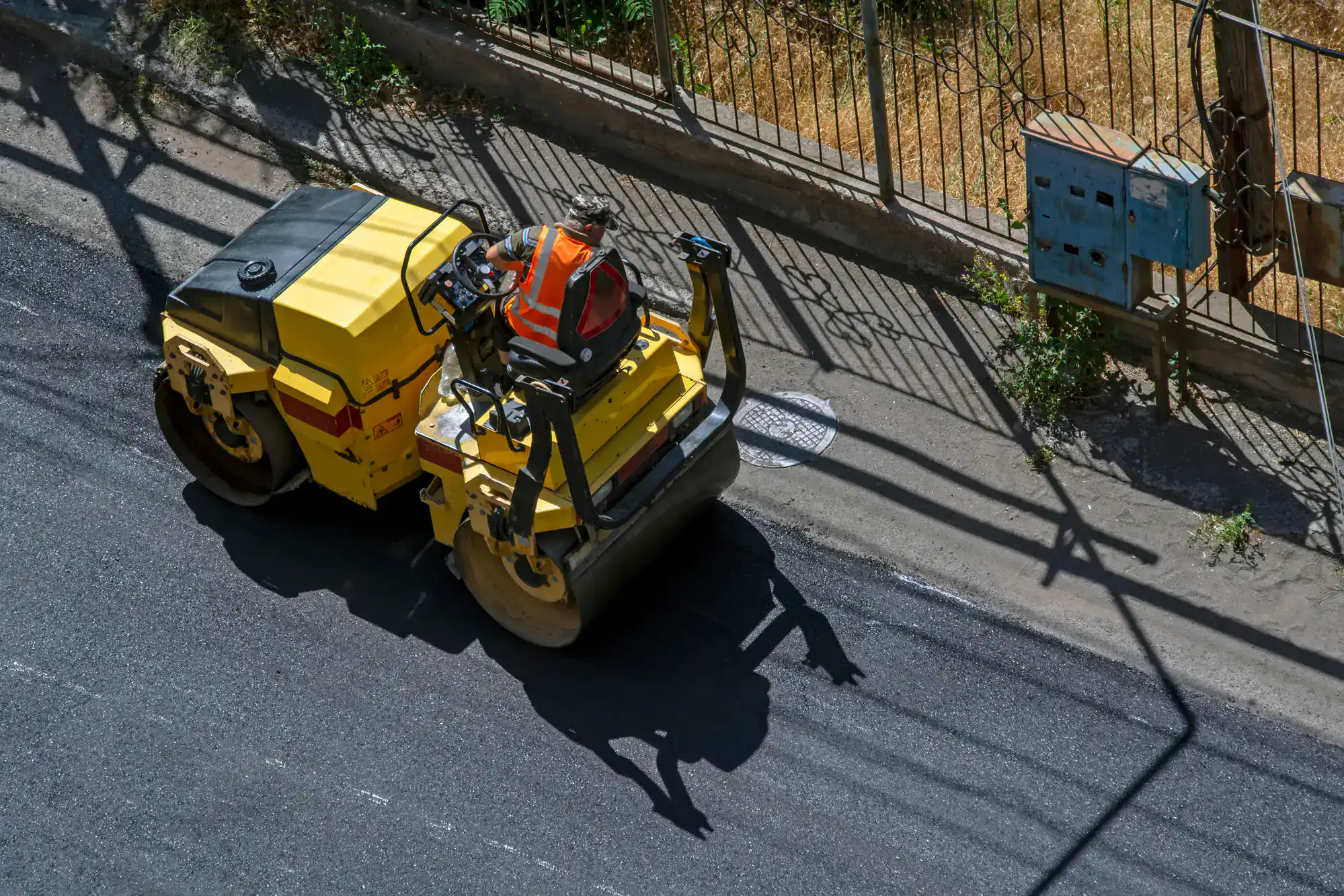
Then the asphalt installation happens. We use modern paving equipment to lay the asphalt at the right temperature and thickness for commercial traffic. Proper compaction is critical here—every percentage point you lose in compaction costs you 5% of your pavement’s lifespan. Our crew works efficiently to minimize disruption to your business operations.
After the asphalt cures, line striping and ADA-compliant markings go in if needed. You’ll also get a walkthrough of proper maintenance practices to extend your pavement’s life. Most commercial parking lots can be driven on within 72 hours of installation.
Ready to get started?
Commercial paving in Eastwood covers everything from new parking lot installation to resurfacing existing pavement that’s seen better days. Our service includes complete site preparation, proper drainage installation, base construction, asphalt paving, and final striping. You’re also getting expertise in ADA compliance to keep your property up to code.
For businesses in Eastwood and the greater Orlando area, parking lot durability matters. The neighborhood’s established commercial properties need contractors who understand that your customers notice the condition of your lot before they ever walk through your door. A smooth, well-maintained surface with crisp line markings signals that you care about details.
We also handle repairs and maintenance for existing commercial parking lots. That includes crack sealing to prevent water infiltration, pothole patching, sealcoating to protect against UV damage, and resurfacing when the top layer is compromised but the base is still solid. These maintenance services can add years to your pavement’s life and cost a fraction of full replacement.
We use techniques specifically proven effective against Florida’s intense sun, heavy rains, and temperature fluctuations. We’re not using the same approach you’d use in Minnesota or Arizona. Florida asphalt needs different strategies, and that local expertise makes the difference between pavement that lasts and pavement that fails prematurely.
With proper installation and regular maintenance, a commercial parking lot in Florida should last 15 to 20 years before needing replacement. The key word there is “proper installation.” If the base isn’t compacted correctly or drainage isn’t addressed, you might start seeing significant problems within 5 to 7 years.
Florida’s climate is particularly hard on asphalt. The constant UV exposure causes oxidation that makes the surface brittle. The humidity and heavy rains then exploit any cracks that form, washing away the base material underneath. Temperature fluctuations cause expansion and contraction that accelerate deterioration.
Regular maintenance extends that lifespan considerably. Sealcoating every 2 to 3 years protects against UV damage. Crack sealing prevents water infiltration before it becomes a bigger problem. Property owners who stay on top of maintenance typically get the full 20 years or more from their commercial paving investment.
The number one cause is poor drainage. When water pools on the surface or doesn’t have anywhere to go, it seeps down into the base material. In Florida’s climate with frequent heavy rains, that water infiltration happens fast. Once the base gets saturated and starts shifting, the asphalt above it cracks and settles.
Inadequate base preparation is the second biggest culprit. If the gravel base isn’t thick enough or properly compacted, it won’t support the weight of commercial traffic. You’ll see rutting, cracking, and premature failure. Some contractors rush this phase to save time or money, but it costs property owners significantly more in the long run.
Skipping maintenance is the third major factor. Even quality commercial paving needs protection from Florida’s UV rays and weather. Small cracks that get ignored become big cracks. Big cracks become potholes. Potholes become sections that need complete removal and replacement. Spending a little on sealcoating and crack sealing saves you from spending a lot on emergency repairs.
Most commercial paving projects take 1 to 3 days depending on the size of your parking lot. The actual paving happens quickly—it’s the site preparation and curing time that take longer. We work with you to schedule the work during your slowest business hours or days to minimize customer impact.
You’ll need to keep vehicles off the newly paved areas for about 72 hours while the asphalt cures. That means coordinating alternative parking arrangements or phasing the work so only portions of your lot are closed at a time. We plan this out during the consultation phase so you’re not caught off guard.
The site prep phase is the noisiest and most disruptive part. That’s when heavy equipment is grading, compacting base material, and removing old pavement if necessary. But we move efficiently and clean up thoroughly at the end of each day. You won’t have construction debris sitting around or safety hazards for your customers.
Asphalt is typically the better choice for commercial parking lots in Florida for several reasons. It’s more cost-effective upfront, it’s easier and faster to repair when damage does occur, and it actually performs better in Florida’s heat. Asphalt’s flexibility allows it to expand and contract with temperature changes without cracking as readily as concrete.
Concrete does have advantages in specific situations. It’s stronger under extremely heavy loads, so if you’re parking loaded semi-trucks or heavy equipment daily, concrete might be worth the extra investment. It also lasts longer in theory—30 to 40 years versus 15 to 20 for asphalt. But concrete repairs are significantly more expensive and time-consuming.
For most commercial properties in Eastwood—retail centers, office buildings, restaurants, and service businesses—asphalt provides the best balance of durability, cost, and maintainability. It can be resurfaced when the top layer wears out without replacing the entire parking lot. And with proper sealcoating, asphalt maintains a clean, professional appearance that concrete often loses as it stains and discolors over time.
Start with licensing and insurance. Any commercial paving contractor working on your property should be properly licensed, bonded, and insured. Ask to see proof. If they hesitate or make excuses, move on. You’re taking on massive liability risk if an unlicensed contractor or their crew gets hurt on your property.
Experience in Florida specifically matters more than you might think. Paving techniques that work in other climates don’t necessarily work here. You want a contractor who understands how to handle Florida’s soil conditions, knows how to design drainage systems for our heavy rains, and uses materials and methods proven effective against UV damage and humidity.
Look for transparent pricing and detailed proposals. A good contractor will walk your property, ask questions about your traffic patterns and usage, and provide a written estimate that breaks down exactly what’s included. Be wary of unusually low bids—they often mean corners will be cut on site prep, base materials, or asphalt thickness. Get references from other commercial property owners and actually call them. Ask specifically about whether the contractor stayed on schedule, communicated well, and whether the pavement is holding up years later.
Commercial paving can happen year-round in Florida, but late fall through early spring offers the most predictable conditions. You’re less likely to deal with afternoon thunderstorms that can delay work or compromise the installation. Temperatures are also more moderate, which gives better working conditions and more consistent asphalt compaction.
Summer paving is absolutely possible and happens regularly, but it requires more careful timing. We typically start earlier in the morning to avoid the hottest part of the day and the daily afternoon storms. The asphalt stays workable in the heat, but the window for proper compaction is shorter. We know how to adjust our approach for summer conditions.
The worst time is during extended rainy periods regardless of season. You can’t pave in the rain, and the base material needs to be dry for proper compaction. If your project timeline is flexible, avoid scheduling during Florida’s wettest months (June through September). But if you need emergency repairs or your business demands dictate the timing, we can work around weather challenges with proper planning.
Other Services we provide in Eastwood