Hear from Our Customers
You need asphalt that doesn’t crack after six months. You need a surface that drains properly when Florida’s afternoon storms hit. You need a contractor who shows up when they say they will and finishes the job without finding a dozen “unexpected issues” that weren’t in the original estimate.
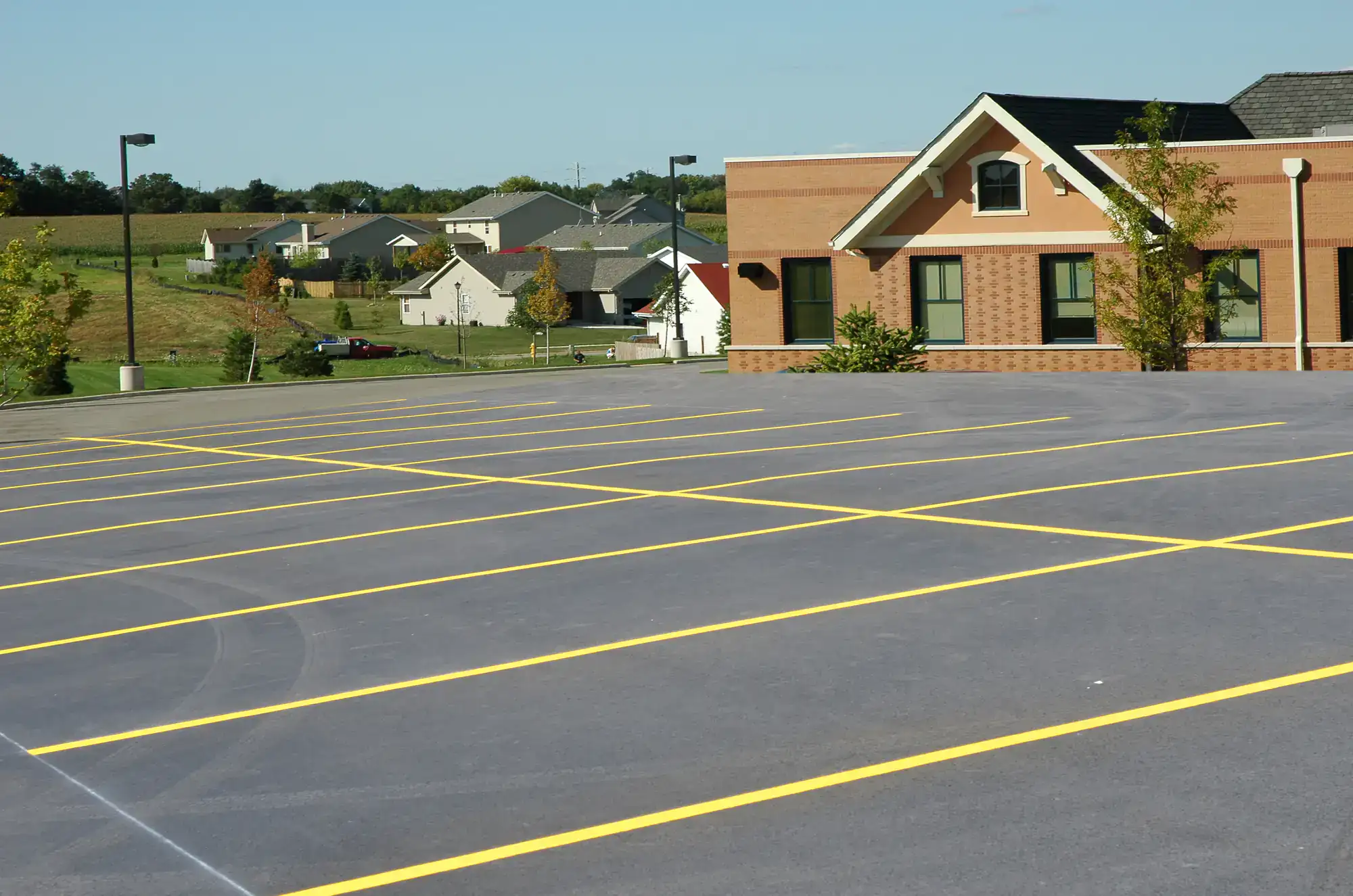
That’s what commercial paving should look like. A parking lot or drive lane that handles the traffic your property sees every single day. Proper drainage that keeps water moving instead of pooling in low spots. A surface that stays smooth and safe for customers, tenants, and delivery trucks.
When the work is done right the first time, you’re not calling someone back in a year to patch failures. You’re not explaining to tenants why the lot is torn up again. You’re running your property the way it should run—without your parking lot becoming a problem you have to manage.
We’ve been handling commercial asphalt projects across the region, including East Mulberry and Polk County. Based in Winter Garden, we understand what Florida weather does to pavement and how to build surfaces that hold up under those conditions.
We use modern equipment and proven techniques because shortcuts don’t work in this climate. We focus on clear communication and realistic timelines—no disappearing mid-project, no vague estimates that balloon later. When we give you a price and a schedule, that’s what you get.
East Mulberry business owners and property managers work with us because we treat commercial parking lot paving like the investment it is. Your parking lot affects your property value, your tenant satisfaction, and your liability exposure. We take that seriously.
We start with a site evaluation. That means looking at your existing surface conditions, drainage patterns, traffic flow, and access points. Understanding how your property operates allows us to plan work that doesn’t shut you down unnecessarily.
From there, you get a transparent estimate. No hidden fees, no vague line items. You’ll know exactly what we’re doing, what materials we’re using, and what the timeline looks like. If there are potential issues we can see upfront—like subgrade problems or drainage concerns—we tell you before work starts, not after.
Once we begin, we phase the work to keep your property accessible. That might mean working in sections, coordinating around your busiest hours, or setting up clear traffic patterns so customers and tenants can still get where they need to go. Our crew handles traffic control and safety measures so you’re not managing that part.
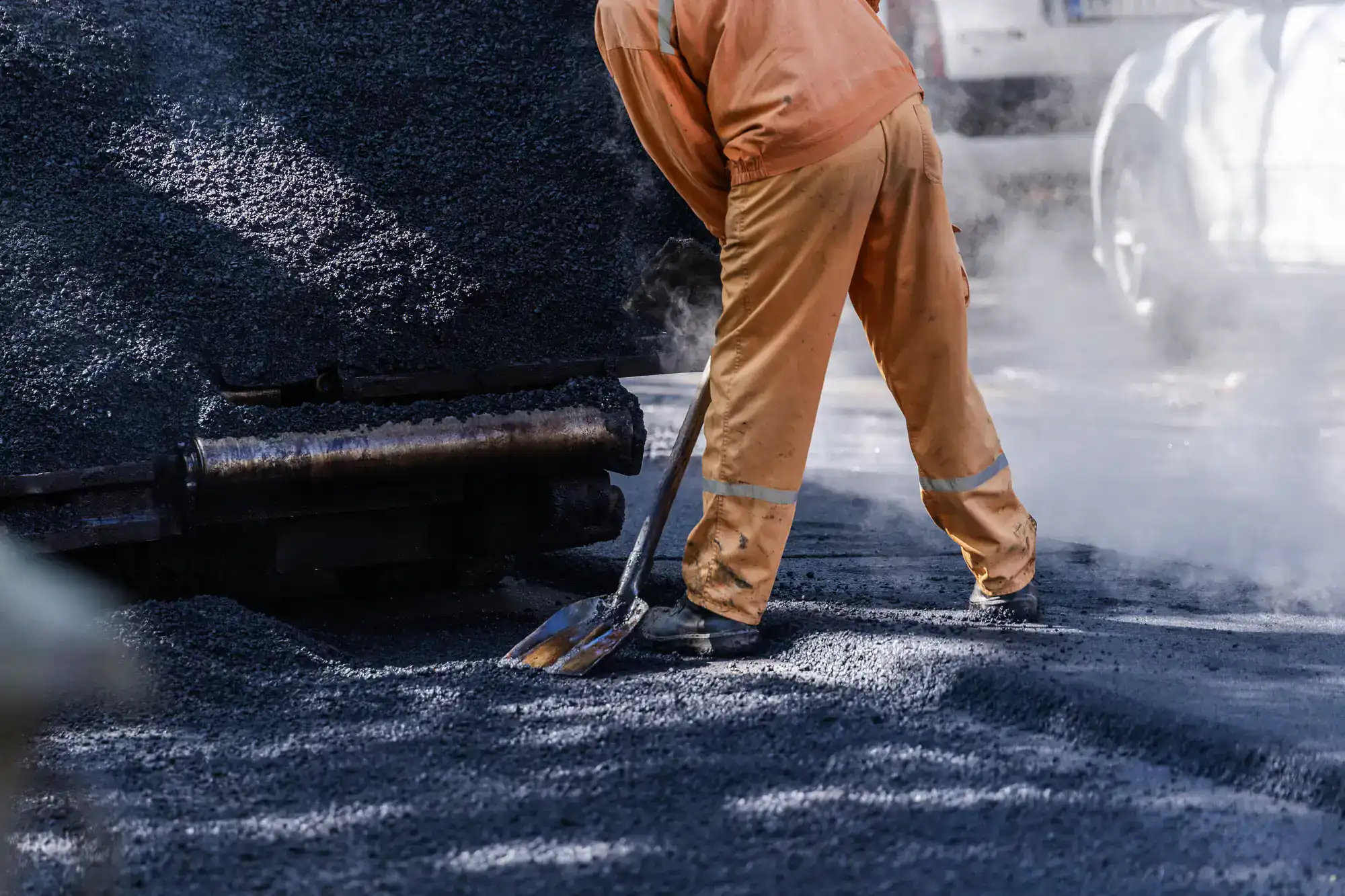
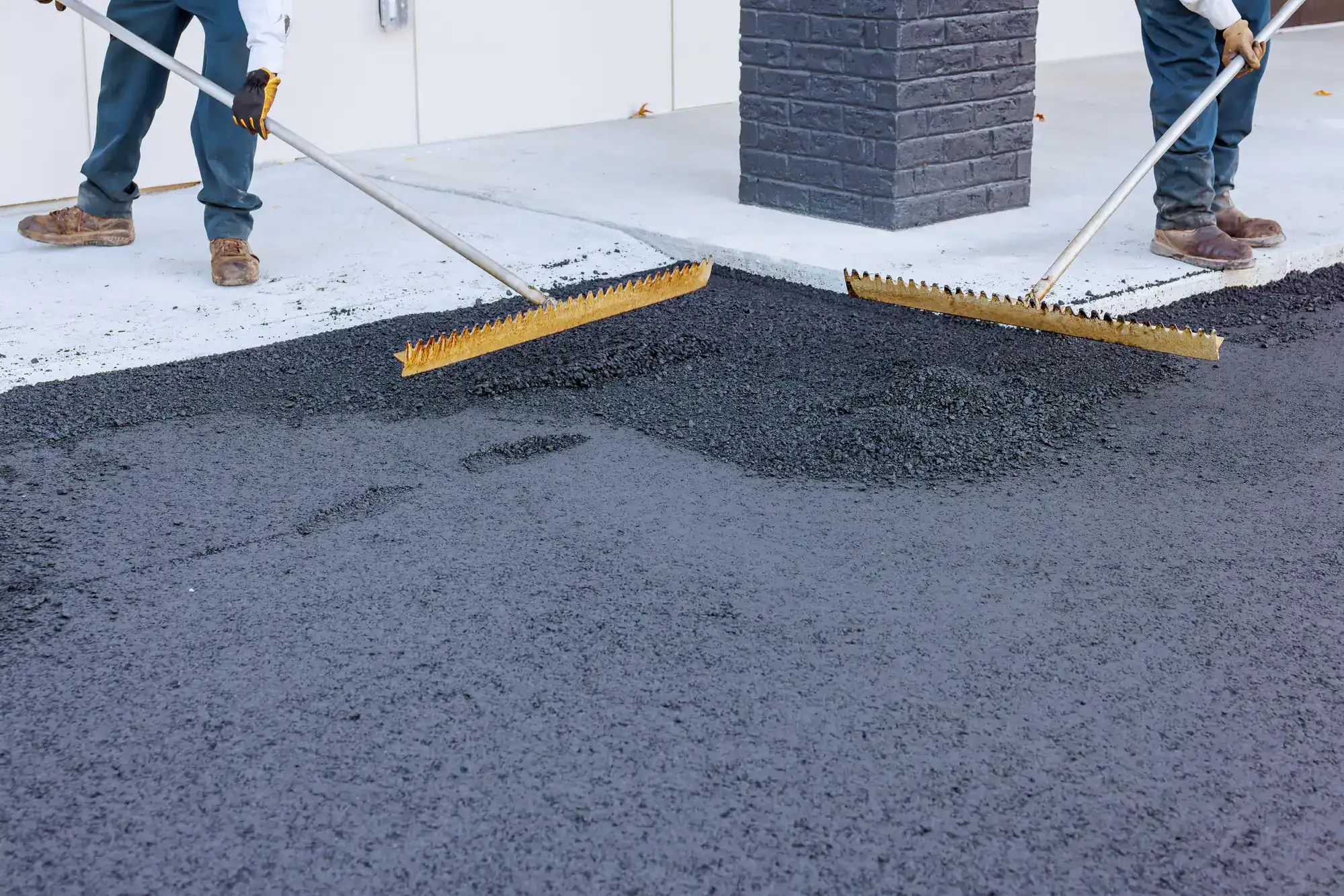
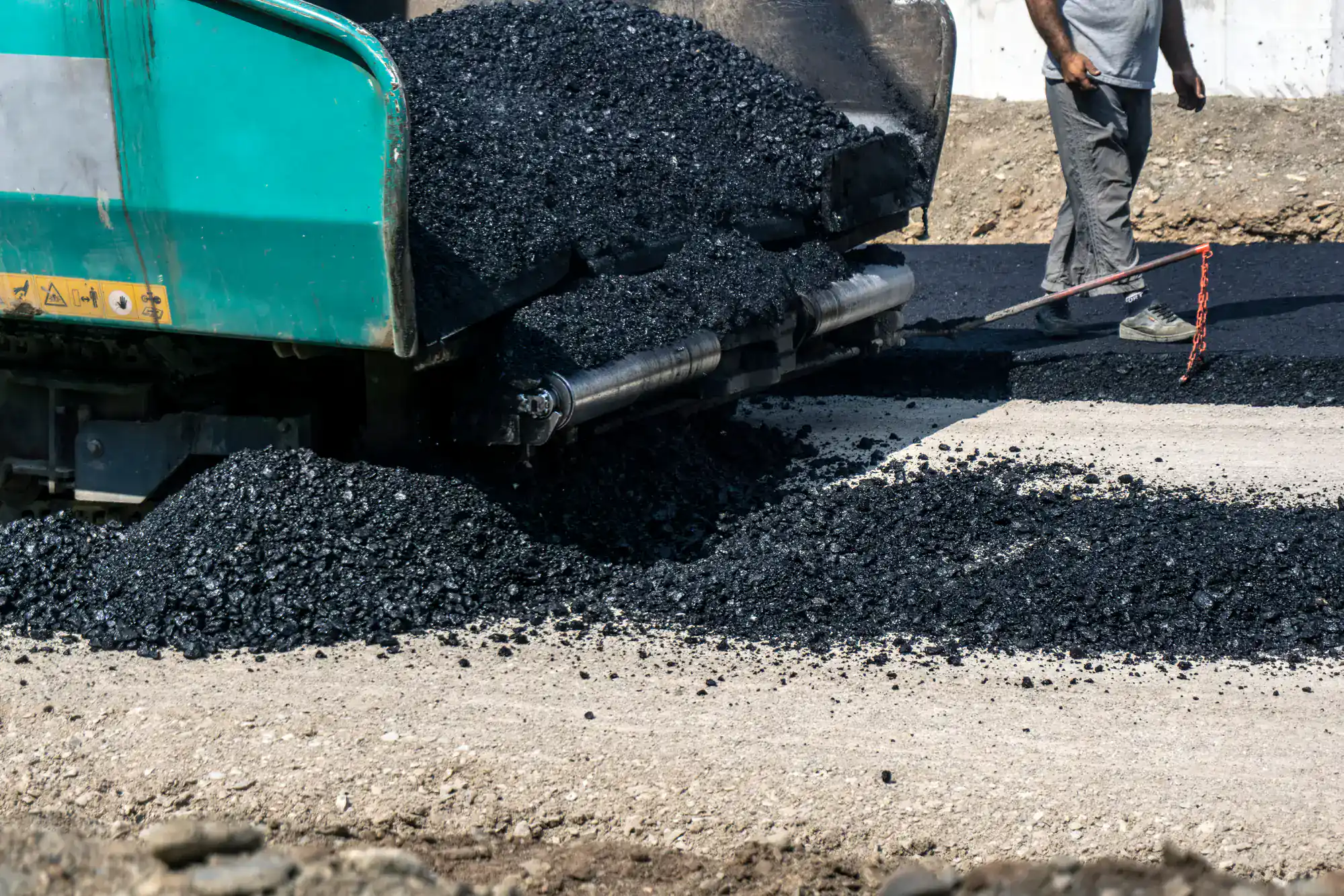
The actual paving process involves proper base preparation, quality asphalt mix designed for Florida’s heat, and attention to drainage and grading. We’re not just laying asphalt—we’re building a surface that has to perform under real conditions. When we finish, you get a lot that’s smooth, properly sloped, and ready for the traffic it’s going to see.
Ready to get started?
Commercial paving in East Mulberry means dealing with specific local conditions. Polk County sees heavy rainfall, which makes drainage planning critical. You can’t just pave over existing issues and hope water figures itself out. We evaluate slope, install proper drainage solutions, and make sure your lot sheds water instead of collecting it.
The asphalt mix matters in Florida’s heat. We use materials formulated to handle sustained high temperatures and UV exposure without becoming soft or degrading prematurely. That’s especially important for parking lots that see constant turning, braking, and heavy vehicle loads.
Your project includes site preparation—addressing any subgrade issues before new asphalt goes down. It includes proper compaction and base work. It includes grading that directs water away from buildings and prevents pooling in parking spaces or drive lanes. And it includes coordination with your schedule so the work doesn’t create unnecessary disruption for your tenants or customers.
East Mulberry’s commercial properties range from retail centers to industrial facilities to office complexes. Each one has different traffic patterns and operational needs. We don’t use a template approach—we plan each commercial asphalt paving project based on what your specific property requires and how it’s actually used.
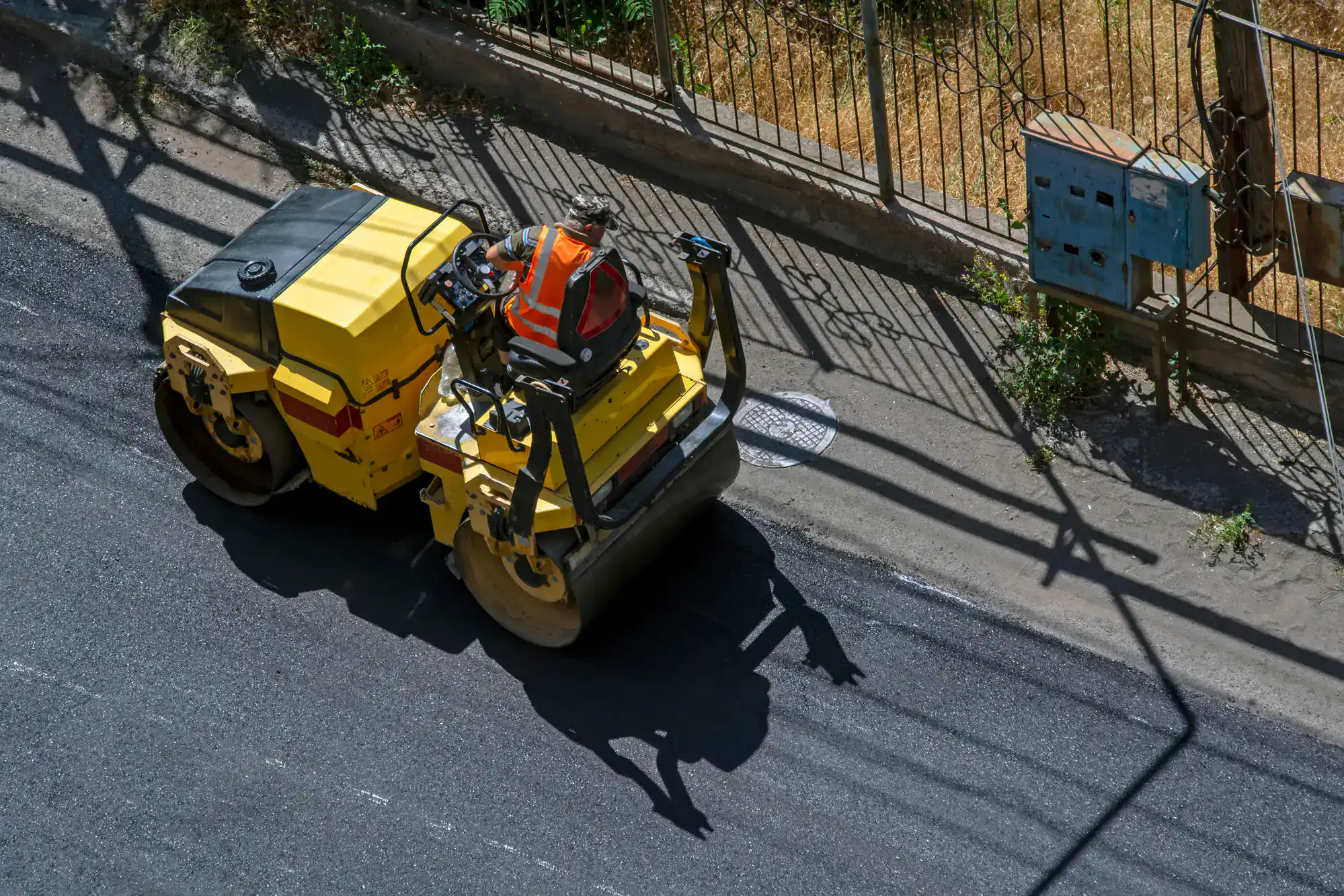
Timeline depends on the size of your lot and the scope of work. A straightforward overlay on a small parking area might take two to three days. A larger lot with full-depth replacement, drainage work, and striping could take one to two weeks.
Weather plays a role in Florida. We can’t pave in heavy rain, and we need proper curing conditions. That’s why we build buffer time into schedules and communicate clearly if weather delays anything.
The other factor is phasing. If you need your property to stay operational during the work, we’ll break the project into sections. That extends the calendar timeline but keeps your business accessible. We coordinate the schedule during the planning phase so you know exactly what to expect and can communicate with tenants or customers ahead of time.
Poor drainage is the biggest culprit. When water sits on asphalt or seeps into the base, it weakens the structure. Florida’s heavy rainfall makes this worse. If the lot wasn’t graded properly or drainage wasn’t addressed during installation, you’ll see premature cracking, settling, and potholes.
Inadequate base preparation is another common issue. If the subgrade isn’t stable or properly compacted before asphalt goes down, the surface will shift and crack under traffic loads. Cutting corners on base work saves money upfront but costs significantly more when the lot fails within a couple years.
Heat and UV exposure also degrade asphalt over time, especially if lower-quality materials were used. Florida’s intense sun breaks down the binders in asphalt, leading to surface deterioration. Using asphalt mixes designed for high-temperature climates and proper thickness for your traffic loads makes a measurable difference in longevity. Regular maintenance like sealcoating extends the life even further, but it starts with correct installation from a qualified commercial paving contractor.
Yes, in most cases. We phase the work so sections of your lot remain accessible while we’re paving others. That means coordinating with you to understand which areas are critical for daily operations and which can be temporarily closed.
For properties with high customer traffic, we often work during off-hours or weekends to minimize disruption. Retail centers might need us to avoid peak shopping times. Office complexes might prefer overnight or weekend work. We plan the schedule around your operational needs, not just our convenience.
Traffic control is part of the process. We set up clear signage, barriers, and alternate routes so customers, tenants, and delivery vehicles can navigate safely. The goal is to complete quality commercial parking lot paving without creating chaos for your business. It requires more planning and coordination than just shutting everything down, but it’s how commercial asphalt paving should be handled when your property needs to stay functional.
Cost depends on the project scope, existing conditions, and what needs to be done. A simple overlay on a small lot in good condition runs significantly less than full-depth replacement on a large parking area with drainage issues and base problems.
Square footage is the starting point, but it’s not the only factor. We consider asphalt thickness based on your traffic loads—a light-use office lot needs less thickness than a heavy-use industrial facility. We factor in site prep, grading, drainage work, and any repairs to curbs or transitions. Striping, ADA compliance updates, and sealcoating add to the total if they’re part of the scope.
The best way to get accurate pricing is a site evaluation. We can assess your specific conditions, understand what you actually need, and provide a transparent estimate with no vague line items. Some commercial paving contractors lowball estimates and then find “unforeseen issues” once work starts. We identify potential problems during the evaluation so the price we quote is the price you pay. Free consultations mean you can get clarity on costs before committing to anything.
An overlay means installing a new layer of asphalt over the existing surface. It works when your current pavement is structurally sound but showing surface wear—minor cracking, fading, rough texture. Overlay is faster and less expensive because we’re not removing the old asphalt or reworking the base. It’s a good option for extending the life of a lot that’s in decent shape.
Full-depth replacement means removing the existing asphalt, addressing any base or subgrade issues, and installing new asphalt from the ground up. You need this when the pavement has significant structural problems—major cracking, settling, potholes, drainage failures. If the base is compromised, an overlay just covers up problems that will resurface quickly. Full replacement costs more and takes longer, but it’s the right solution when the existing lot is truly failing.
We evaluate your specific conditions and recommend the approach that makes sense. Sometimes a property owner wants to save money with an overlay, but if the underlying structure is shot, that’s throwing money away. Other times full replacement gets recommended when overlay would actually work fine. We give you an honest assessment based on what your lot actually needs for proper commercial asphalt paving, not what generates the biggest invoice.
Yes, drainage is a critical part of any commercial paving project, especially in East Mulberry and Central Florida. We evaluate drainage during the site assessment because water management directly affects how long your asphalt lasts.
Proper drainage starts with grading. The lot needs to be sloped so water moves toward catch basins, drainage channels, or designated runoff areas instead of pooling on the surface or against buildings. We also look at the existing drainage infrastructure—are catch basins functioning, or are they clogged and ineffective? Do you need additional drains to handle Florida’s heavy rainfall?
If your current lot has standing water issues, we identify why and fix it as part of the paving project. That might mean regrading sections, installing new drains, or adjusting transitions to direct water flow correctly. Ignoring drainage problems and just paving over them guarantees premature failure. Water is asphalt’s biggest enemy, and in Florida’s climate, you can’t afford to skip this step. We build drainage solutions into the project plan so your new parking lot actually performs the way it should for years to come.
Other Services we provide in East Mulberry