Hear from Our Customers
You’re not dealing with standing water after every storm. Your lot isn’t covered in cracks that make customers wonder if you care about your property. And you’re not calling someone back in six months because the surface is already failing.
When parking lot paving is done correctly from the start, you get a surface that handles Florida’s weather without constant repairs. The drainage works. The asphalt stays smooth. And your customers see a property that’s well-maintained.
That’s what happens when the sub-base is properly compacted, the grading directs water away from the surface, and the asphalt mix is designed for Central Florida’s heat and UV exposure. You’re looking at 20 to 30 years of service instead of patching potholes every season.
We work throughout Central Florida, including Royster and the surrounding Polk County area. We understand what intense sun, heavy seasonal rain, and high humidity do to parking lots. It’s not the same as other climates, and it requires a different approach.
We’ve been installing and repairing asphalt surfaces for residential and commercial properties across this region. Our focus is on doing the work correctly so you don’t end up calling us back in a year with the same problems. That means proper site preparation, quality materials, and modern equipment that ensures consistent results.
When we give you a price, that’s the price. No change orders halfway through unless we uncover something genuinely unexpected, and if we do, we’ll show you exactly what we found and why it matters.
First, we come out and look at your property. We’re checking the existing surface if there is one, looking at drainage patterns, and figuring out what the foundation needs. If it’s going to rain and pool in certain areas, we need to know that before we start.
Next comes site preparation. If you have old asphalt, we remove it down to the subgrade layer. If it’s a new installation, we’re grading the area to ensure water flows away from the surface. The sub-base layer goes in next—compacted aggregate that creates a stable foundation. This step determines whether your parking lot lasts 5 years or 25 years.
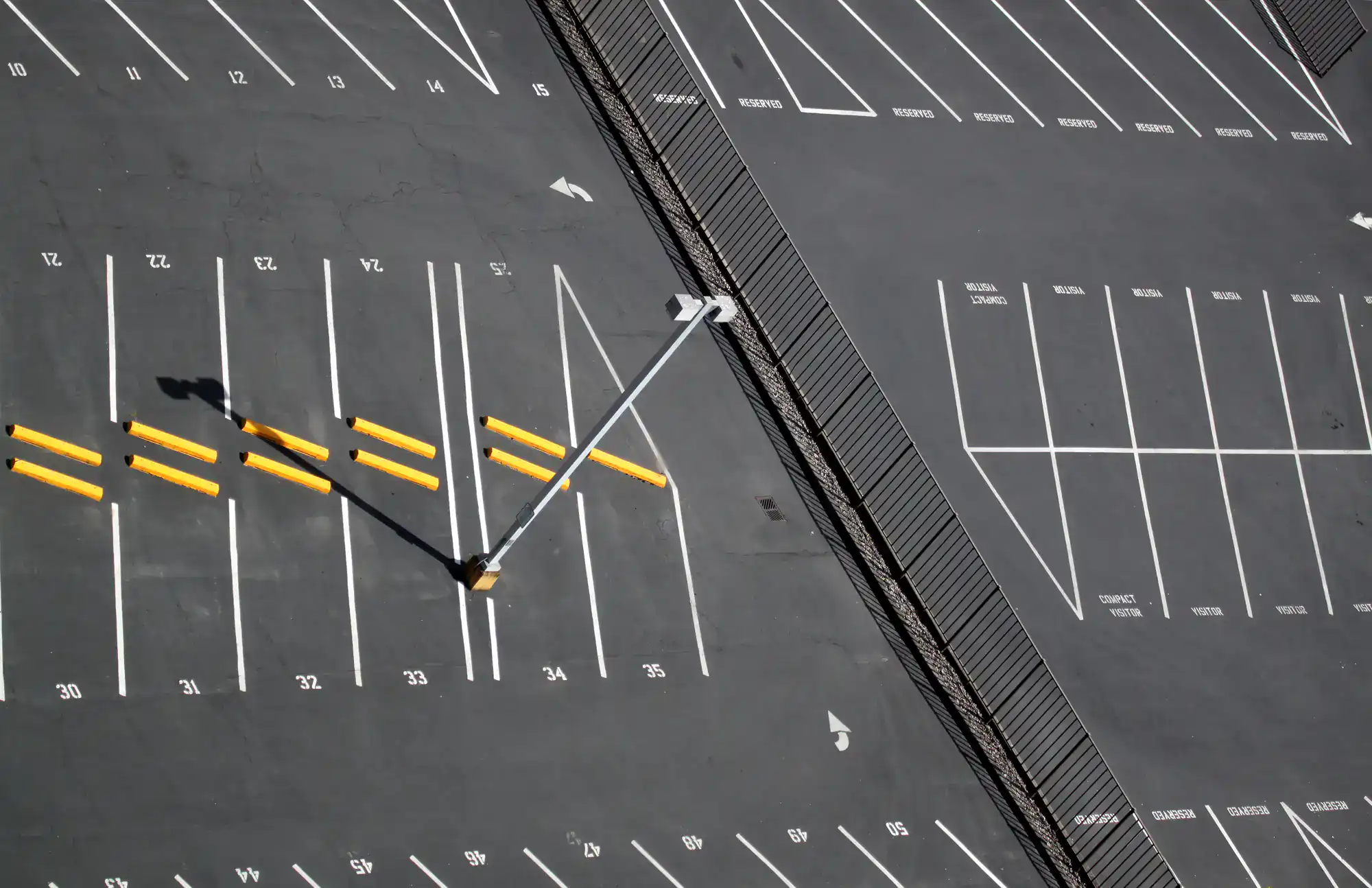
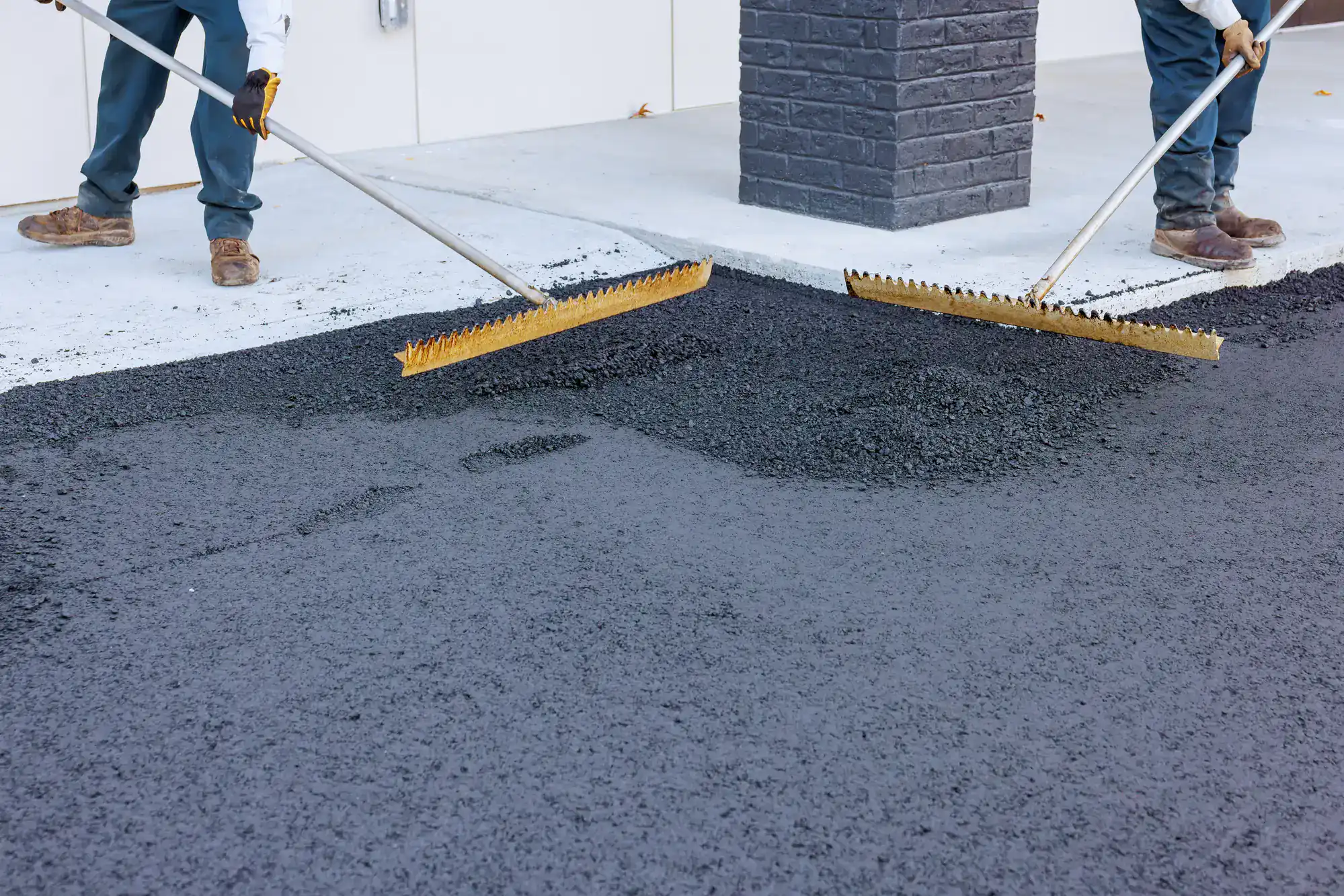
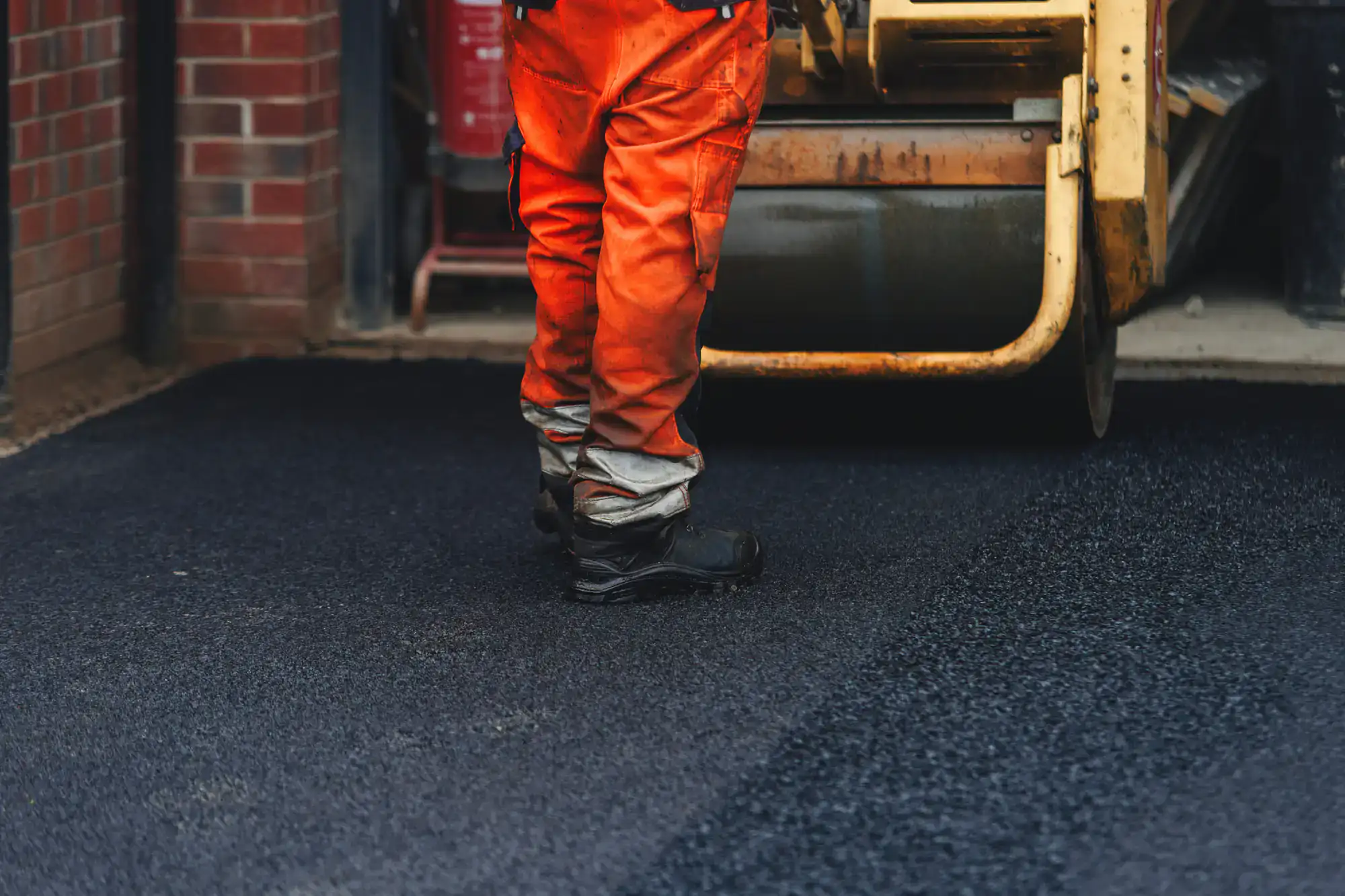
Then we install the asphalt. Hot mix arrives from the plant and goes through our paving machine in passes that are 8 to 20 feet wide. We’re monitoring for even coverage and proper slope for drainage. After the asphalt is laid, we compact it with rollers to create a smooth, dense surface. Finally, we add striping and any curbs or other features you need.
Ready to get started?
Parking lot paving in Royster, FL means dealing with conditions most other places don’t face. The summer heat here can soften improperly installed asphalt. Heavy afternoon thunderstorms can overwhelm inadequate drainage in minutes. And UV radiation breaks down asphalt binders faster than in northern climates.
That’s why proper installation matters more here than almost anywhere else. You need a sub-base that won’t shift when water saturates the ground. You need grading that moves water off the surface quickly. And you need an asphalt mix designed to handle temperatures that regularly exceed 90 degrees.
We also handle parking lot resurfacing when your existing surface is worn but the foundation is still solid. Resurfacing adds a new layer of asphalt over the old surface, giving you another 8 to 15 years of life at a fraction of the cost of full replacement. It’s the right choice when you have surface wear but no major structural problems underneath.
For properties in the Royster area, we’re familiar with local soil conditions and drainage challenges. Polk County’s terrain and weather patterns create specific issues that require local knowledge to address properly.
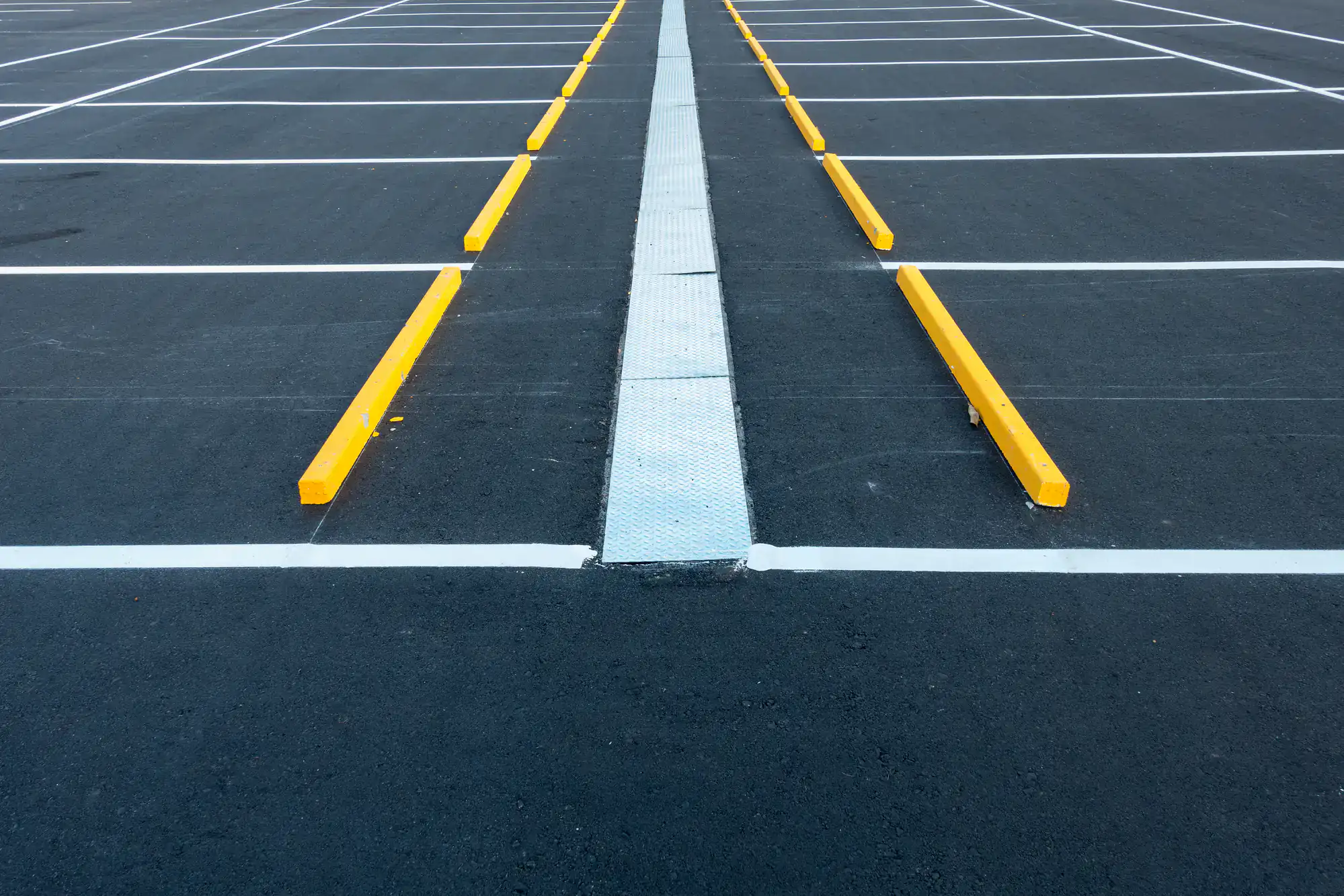
A properly installed asphalt parking lot in Florida typically lasts 20 to 30 years with regular maintenance. Without any maintenance, you’re looking at 15 to 25 years before major problems develop. With proper care—sealcoating every 3 to 5 years, filling cracks promptly, and addressing drainage issues—you can extend that to 35 or even 50 years.
Florida’s climate is harder on asphalt than most other places. The intense UV radiation causes oxidation, which makes the surface brittle over time. Heavy rains can infiltrate small cracks and damage the foundation. And the heat can accelerate wear if the asphalt mix isn’t designed for these conditions.
The biggest factor in longevity is the quality of the initial installation. If the sub-base isn’t properly compacted or the drainage is inadequate, you’ll have problems within a few years no matter how well you maintain the surface. That’s why it’s worth doing it right the first time.
It depends on what’s happening underneath the surface. Resurfacing works when you have surface wear—fading, minor cracks, rough texture—but the foundation is still solid. If you’re seeing widespread cracking, potholes that keep coming back, or areas that sink and hold water, those are signs of foundation problems that resurfacing won’t fix.
Resurfacing adds a new layer of asphalt, typically 1.5 to 2 inches thick, over your existing surface. It costs significantly less than full replacement and adds 8 to 15 years to your parking lot’s life. But if we put new asphalt over a failing foundation, you’ll see the same cracks and problems show through within months.
A full replacement involves removing everything down to the dirt, fixing any drainage or foundation issues, and building the parking lot from scratch. It costs more upfront but gives you a fresh start with another 20 to 30 years of service. We’ll tell you honestly which approach makes sense for your situation.
Drainage is critical in Florida because of how much rain we get, especially during summer thunderstorms. A parking lot that doesn’t drain properly will fail faster than one that does, no matter how good the asphalt is. Water is the enemy of asphalt surfaces.
We handle drainage through proper grading and slope design. The surface needs to be graded so water flows away from buildings and toward drainage areas. We typically create a slight crown or slope—usually around 2%—that directs water off the pavement. For larger lots, we may incorporate catch basins or drainage systems to handle high volumes of water.
The goal is to prevent standing water, which can seep into small cracks, saturate the sub-base, and cause the foundation to fail. In the Royster area, we’re familiar with local soil conditions and typical rainfall patterns, which helps us design drainage that actually works when you need it.
Asphalt is more common for parking lots in Florida because it’s less expensive, faster to install, and easier to repair. You can typically drive on new asphalt within 24 to 48 hours, while concrete needs several days to cure. Asphalt also handles Florida’s heat better—it expands and contracts without cracking as easily as concrete.
Concrete parking lots are more durable and can last longer, but they cost significantly more upfront. They also require less maintenance over their lifetime. However, when concrete does crack or need repair, it’s more complicated and expensive to fix than asphalt.
For most commercial properties in the Royster area, asphalt makes more sense. It provides a smooth, durable surface at a reasonable cost, and repairs are straightforward when needed. Concrete is worth considering for areas with extremely heavy traffic or when you want minimal maintenance over several decades.
New parking lot installation typically runs $2 to $4 per square foot for full removal and replacement, including demolition of old pavement, proper sub-base preparation, and new asphalt. Resurfacing costs less—usually $0.90 to $2.00 per square foot—because you’re not removing the existing surface or rebuilding the foundation.
The actual cost depends on several factors: the size of your lot, the condition of any existing pavement, drainage requirements, site accessibility, and whether you need additional features like curbs or extensive striping. Larger projects typically have lower per-square-foot costs because the equipment and setup costs are spread over more area.
We provide free consultations and transparent pricing. We’ll come look at your property, explain what needs to be done and why, and give you a clear estimate. If we find something unexpected during the work, we’ll show you exactly what we found before doing any additional work. No surprise bills.
Summer is typically the best time for parking lot paving in Florida. The heat and long sunny days help the asphalt cure properly and quickly. Hot weather is actually beneficial for newly laid asphalt—it needs heat to set correctly and create a durable surface.
That said, we can pave year-round in Florida as long as conditions are right. The main concern is rain. We need dry weather for installation because moisture interferes with proper compaction and bonding. We also avoid paving when rain is forecast within the curing period.
Spring and fall can work well too—the weather is usually stable, and temperatures are still warm enough for proper curing. Winter paving is possible in Florida, but cooler temperatures and increased rainfall can slow the process. We’ll work with you to schedule the project during a weather window that ensures quality results without unnecessary delays.
Other Services we provide in Royster