Hear from Our Customers
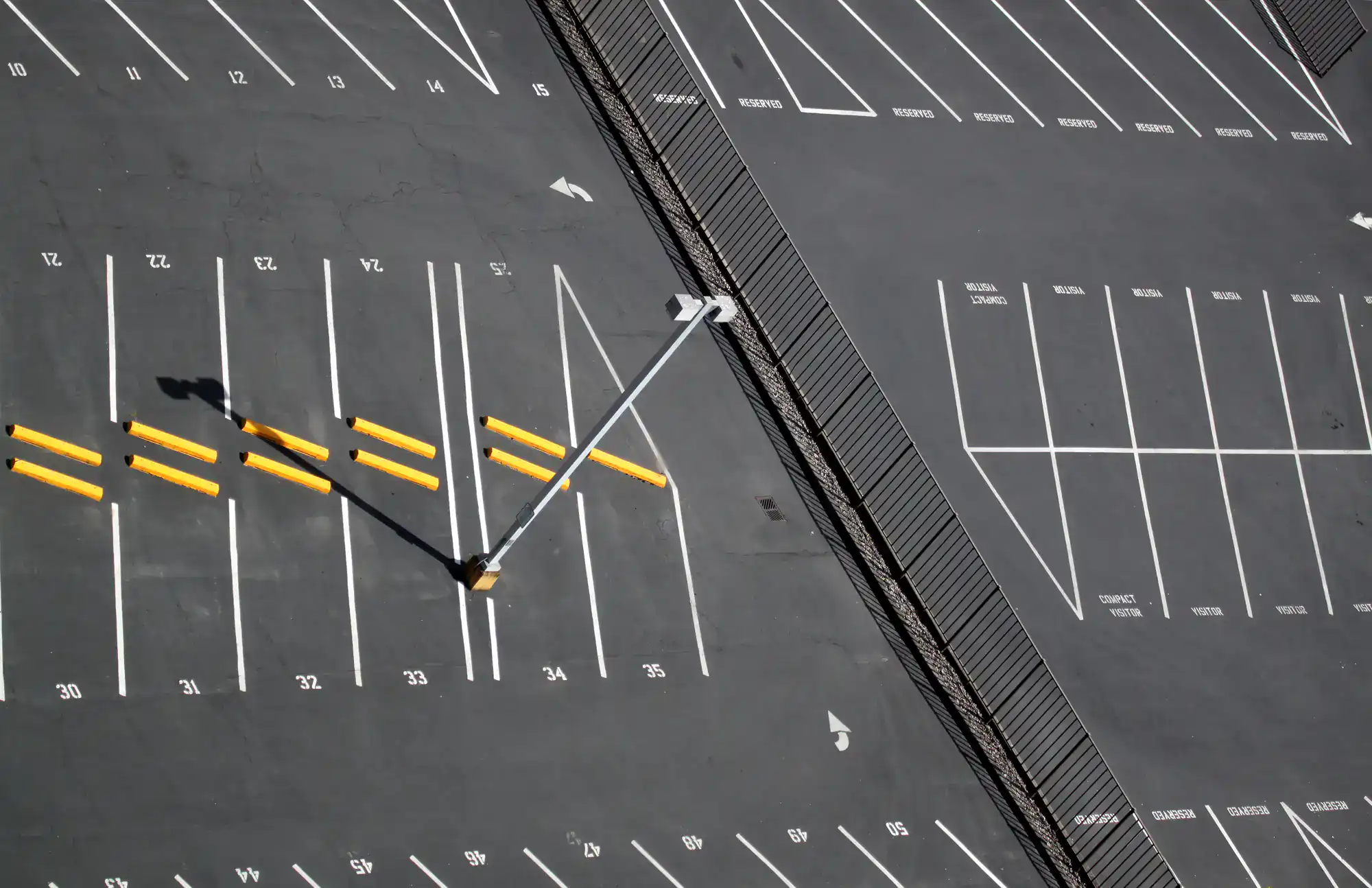
Your parking lot stops being a problem. No more patching potholes every few months or worrying about liability when customers pull in.
You get a surface that drains properly during those afternoon thunderstorms Central Florida is known for. One that doesn’t crack apart after a year because someone skipped the base work. The striping stays visible, the edges hold their shape, and your property looks like you actually care about it.
We’re talking about real durability here. The kind where you’re not calling for repairs every season because the installation was done right from the start. Proper compaction, the right asphalt thickness for your traffic load, and a sub-base that won’t settle or shift when the ground gets saturated.
We’ve been handling asphalt work across Central Florida for years, and we’ve seen what happens when parking lots aren’t built for this climate. Sandy soil, heavy rains, intense heat—Loughman’s conditions demand more than generic paving.
We’re based in Winter Garden and we’ve paved everything from small business lots near the Loughman Crossing area to larger commercial properties along the 17-92 corridor. We know the soil conditions around here, the drainage challenges, and exactly what it takes to build a lot that holds up.
You’re not getting a crew that disappears after the pour. We’re local, we’re clear about what the job involves, and we make sure you understand what you’re paying for before we start.
First, we assess your site. We check drainage, test the soil, and figure out if you need a full installation, resurfacing, or targeted repairs. No guessing.
If it’s a new parking lot installation, we start by clearing and grading the area. The base layer gets installed next—usually 8 to 12 inches of compacted gravel. This isn’t optional. Your parking lot is only as good as what’s underneath it, and a weak base means cracks within a year.
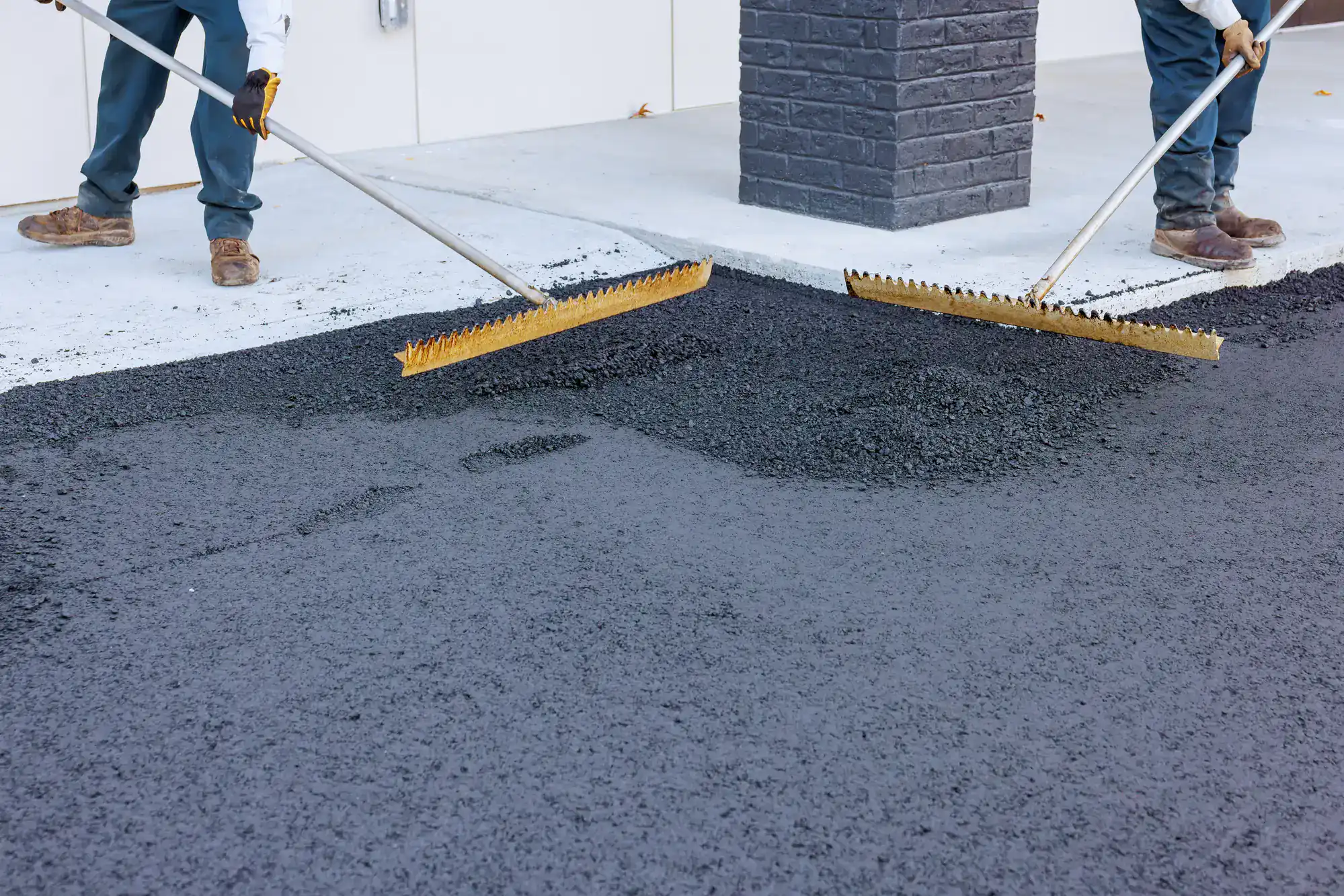
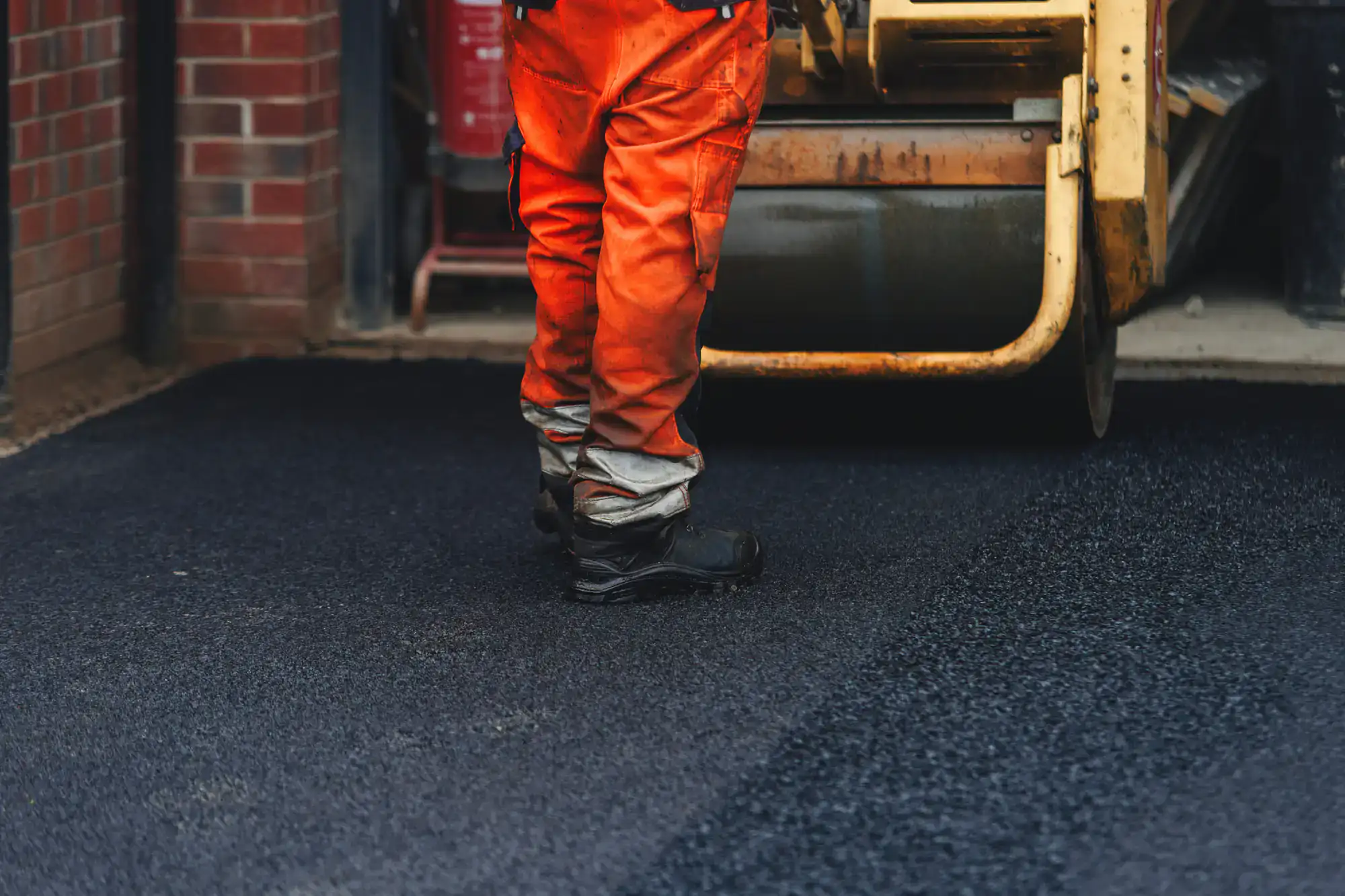
We run a proof roll test with a loaded dump truck across the entire base. If anything flexes more than an inch, we fix it before any asphalt goes down. Then we pour the binder layer, followed by the surface layer of hot-mix asphalt. The parking lot asphalt paving process involves delivering asphalt from a local plant and installing it in passes, then compacting with heavy rollers while it’s still hot.
After it cures, we handle the striping, transitions, and any final grading to make sure water runs off properly. The whole process usually takes a few days to a week depending on size, and you’ll know the timeline upfront.
Ready to get started?
You’re getting more than just asphalt. The job includes proper site prep, a compacted gravel base, and asphalt thickness based on your expected traffic—usually 3 to 4 inches for standard parking, more if you’re dealing with heavy trucks.
Drainage is built into the design. Loughman sits in an area that gets hammered with afternoon storms, especially in summer. We grade everything with a slight slope so water moves off the surface instead of pooling in low spots and seeping into the base. This is especially important for commercial parking lot paving where high traffic and Florida weather create unique challenges.
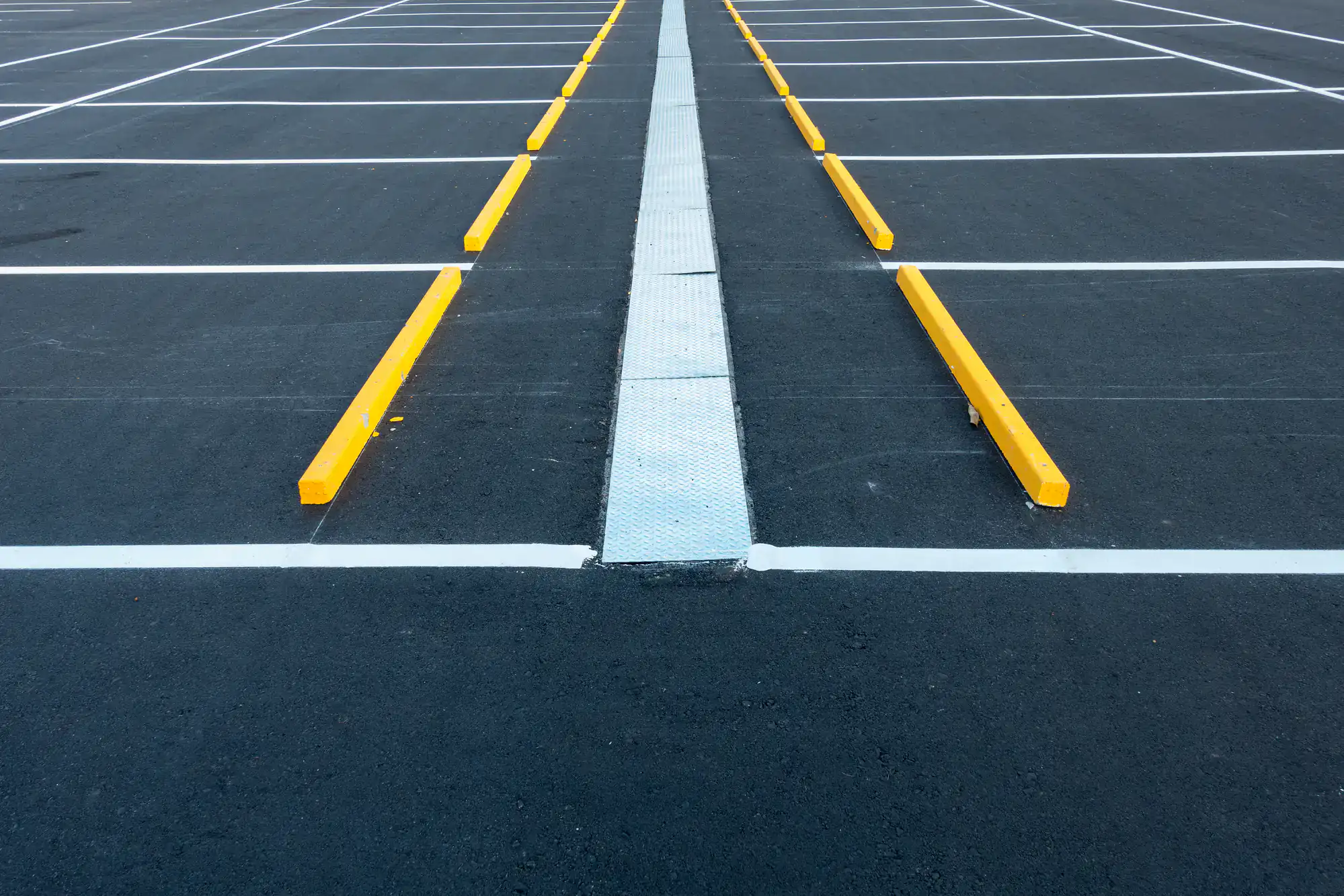
Striping, ADA-compliant spaces, and transitions to existing pavement or roadways are all part of the package. We also handle any needed curbing or concrete work for walkways and cart corrals.
For parking lot resurfacing projects, we repair the worst cracks and potholes first, then overlay new asphalt on top of the existing surface. It’s a cost-effective option when your base is still solid but the surface has seen better days. Resurfacing can add another 8 to 15 years to your lot’s life without the expense of tearing everything out.
Asphalt parking lot paving typically runs between $2 and $4.50 per square foot for new installation. That includes materials, labor, and site prep. Concrete costs more—usually $4 to $7 per square foot—but most commercial properties go with asphalt because it’s more affordable and easier to repair.
For a standard 10,000 square foot lot, you’re looking at somewhere between $20,000 and $45,000 depending on the condition of the site, how much grading is needed, and whether you need additional features like extra drainage or thicker asphalt for heavy vehicles. Resurfacing an existing lot costs less, usually $1 to $3 per square foot, because you’re not rebuilding the base.
The real cost comes down to what your property needs. If the soil is soft or drainage is poor, you’ll pay more upfront for proper base work. But that’s the difference between a lot that lasts 20 years and one that starts cracking after two.
A typical parking lot installation takes anywhere from 3 to 7 days depending on size and complexity. Smaller lots can be done quicker, while larger commercial properties with drainage work or extensive site prep will take longer.
The timeline breaks down like this: site prep and base installation usually take 1 to 2 days, then the asphalt pour and compaction take another day or two. After that, you need to let it cure before striping, which adds another day. Weather can push things back—if it rains during the pour or if temperatures drop too low, we have to wait.
For resurfacing projects, the timeline is shorter because we’re not rebuilding the base. Most resurfacing jobs are done in 2 to 4 days. We’ll give you an exact schedule before we start so you can plan around it, and we work with your business hours to minimize disruption.
Resurfacing means we’re adding a new layer of asphalt over your existing parking lot. It’s the right move when your surface is worn, faded, or has minor cracking, but the base underneath is still solid. We repair any major cracks or potholes first, then lay down 1.5 to 2 inches of fresh asphalt on top. It’s faster and costs less than full replacement.
Replacement means we’re tearing out the old asphalt completely and rebuilding from the ground up. You need replacement when the base has failed—usually shown by alligator cracking (that spiderweb pattern), widespread potholes, or areas where the pavement has sunk. If more than 25 to 30 percent of your lot is severely damaged, replacement is usually more cost-effective than trying to patch everything.
The decision comes down to what’s happening below the surface. We can run tests to check the base condition and tell you which option makes sense for your situation and budget.
Look at the type and extent of damage. Small cracks, minor fading, and a few isolated potholes can usually be fixed with repairs or resurfacing. But if you’re seeing alligator cracking, large sections of failed pavement, or drainage problems that keep coming back no matter how many times you patch them, you’re likely dealing with base failure.
Another sign is age. Asphalt parking lots typically last 15 to 20 years with proper maintenance. If yours is approaching that age and showing significant wear, replacement might be the smarter long-term investment. Constantly repairing an old, failing lot gets expensive fast, and you’re just delaying the inevitable.
We’ll inspect your lot and give you an honest assessment. Sometimes a property owner thinks they need full replacement when resurfacing will do the job. Other times, they’re hoping to patch their way through another few years when the base is already compromised. We’ll walk you through what we’re seeing and explain your options without pushing you toward the most expensive one.
Yes, when it’s installed correctly. Florida’s climate is tough on pavement—intense UV exposure, heavy afternoon rains, and heat that can soften asphalt if it’s not properly compacted. But asphalt is actually a good choice here because it’s flexible enough to handle temperature swings without cracking like concrete often does.
The key is proper installation and maintenance. The base has to drain well because Florida gets more rain than most places. If water sits under your asphalt, it’ll break down the base and cause the surface to fail. We build drainage into every job with proper grading and, when needed, additional drainage solutions.
Sealcoating every 3 to 5 years protects the surface from UV damage and prevents water from seeping into small cracks. It’s a simple maintenance step that significantly extends your parking lot’s life in this climate. Without it, you’ll see fading and surface deterioration much faster.
Sometimes, yes. If your existing parking lot has a solid, stable base and the surface damage is mostly cosmetic—fading, minor cracking, worn areas—we can resurface it by adding a new layer of asphalt on top. This is called an overlay, and it’s a cost-effective way to restore your lot without the expense of full removal.
But if the base is compromised, overlaying new asphalt won’t fix the underlying problem. You’ll just end up with new asphalt that cracks and fails in the same places because the foundation isn’t stable. We assess the base condition first, usually by doing a visual inspection and checking for signs of base failure like alligator cracking, settling, or poor drainage.
In some cases, we can remove and replace damaged sections, then resurface the rest of the lot. It depends on how much of the lot is affected. We’ll tell you what makes sense after we evaluate your specific situation.
Other Services we provide in Loughman