Hear from Our Customers
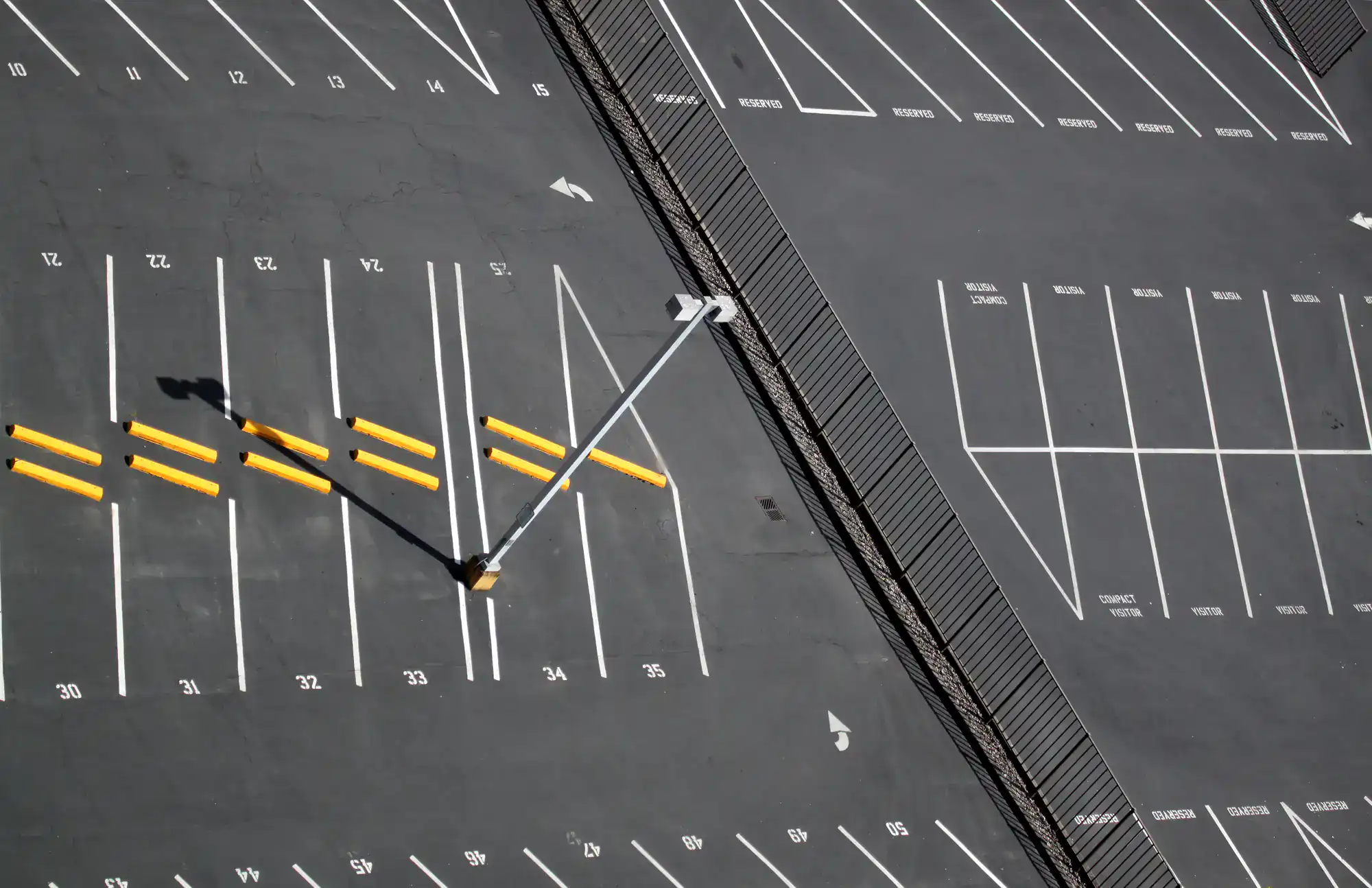
A parking lot that actually lasts starts below the surface. When the base is installed correctly—with proper compaction and drainage—you’re not calling for pothole repairs six months later. You’re not watching water pool after every storm. You’re not explaining to customers why half your lot is taped off again.
You get smooth asphalt that handles Florida’s afternoon downpours without turning into a lake. You get a surface that doesn’t crack apart under the sun’s relentless UV exposure. The striping stays visible. The edges stay clean. And when people pull up to your property, they see a business that takes care of details.
That’s what happens when the work is done right from the start. No shortcuts on the base. No thin layers that fail early. Just solid construction that gives you decades of use instead of years of frustration.
We operate out of Winter Garden, and we’ve been installing parking lots across Central Florida long enough to know what works here and what doesn’t. The heat is different. The rain is different. The soil conditions around Eastwood require specific base preparation that contractors from other regions might miss.
We’re not the crew that shows up, lays asphalt over whatever’s there, and disappears. We prep the site properly, grade for drainage, compact the base until it’s stable, and install asphalt thick enough to handle your traffic load. When we say a project will be done on time and within budget, that’s what happens.
Our customers around Davenport and the surrounding areas come back because the work holds up. That’s the standard.
First, we evaluate your site. We’re looking at drainage, soil conditions, traffic patterns, and what’s already there if you’re replacing an old lot. This tells us what base depth you need and how to grade everything so water moves off the surface instead of sitting in puddles.
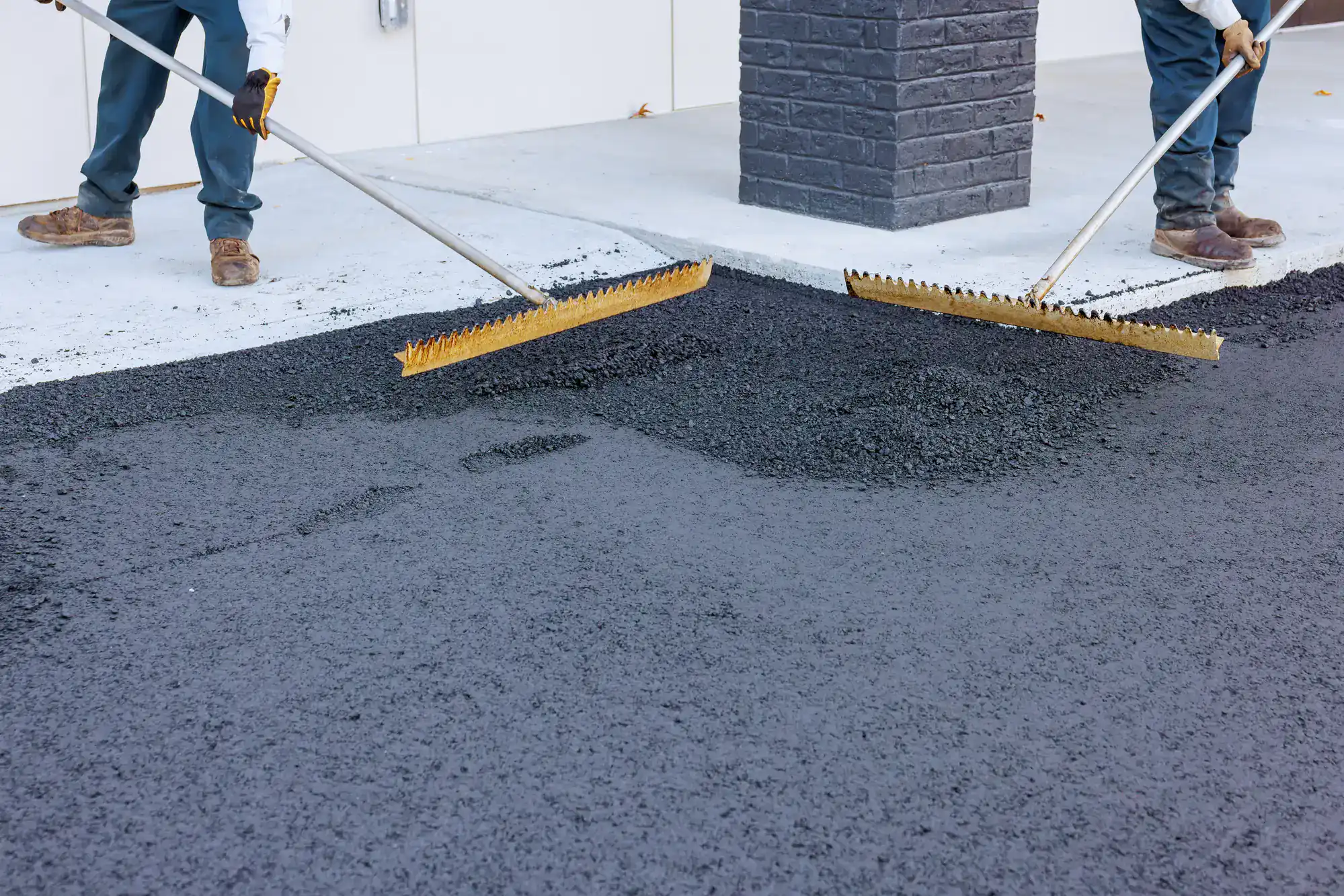
Next comes demolition and removal if you’ve got existing pavement. We clear it down to stable subgrade, then bring in the base material—usually 8 to 12 inches of compacted gravel. This foundation is everything. If it’s not stable and properly compacted, nothing we put on top will last. We proof roll it with heavy equipment to make sure there are no soft spots.
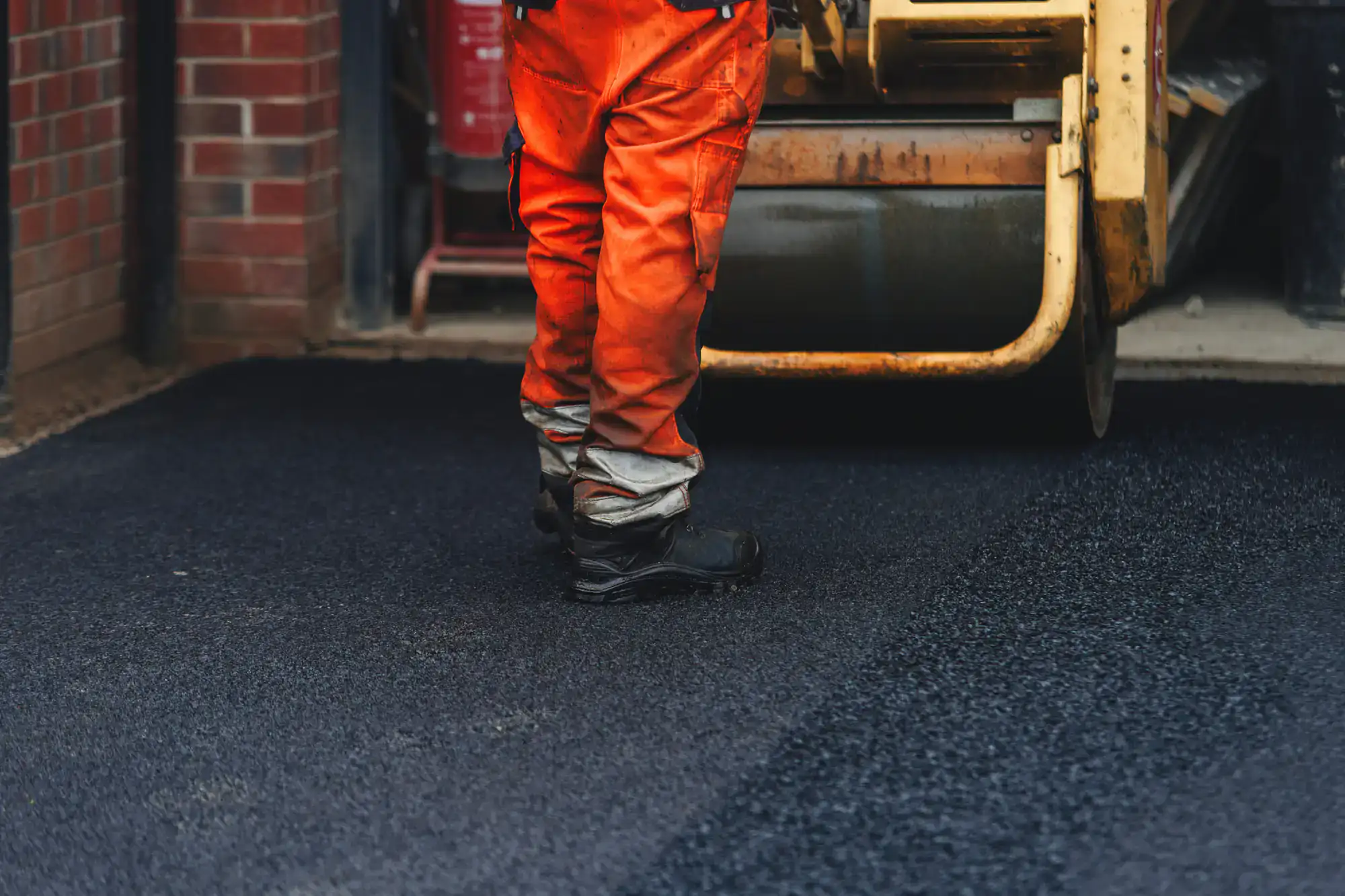
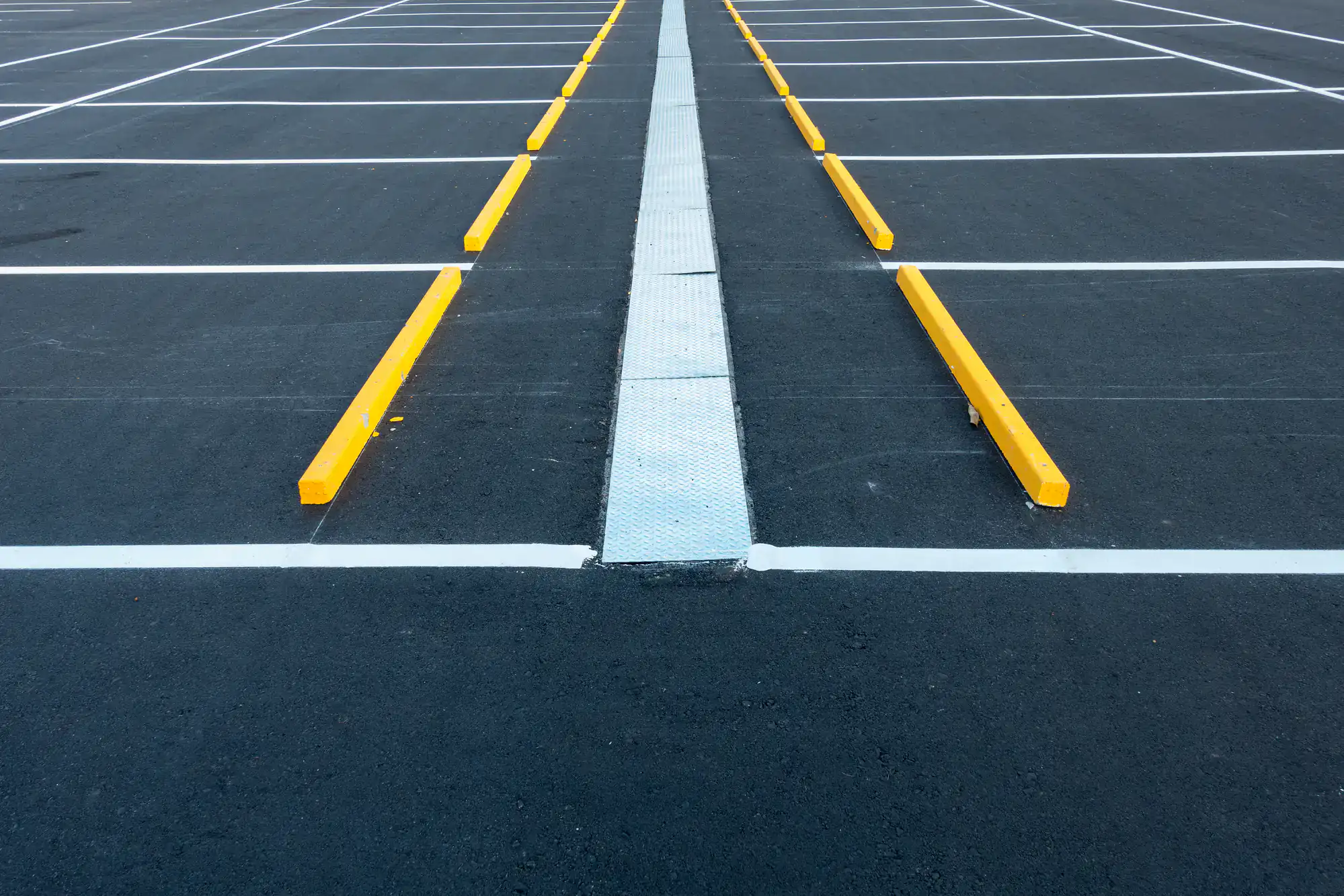
Then we install the binder layer—a strong mix of oil and large aggregate that adds structural strength. After that comes the surface layer, the smooth asphalt you’ll actually see and drive on. We use modern paving equipment to lay it evenly, then compact it with heavy rollers. Once it’s cured, we add striping for parking spaces, ADA compliance, and traffic flow. The whole process for a standard commercial lot usually takes three to seven days, depending on size and weather.
Ready to get started?
When we handle parking lot installation in Eastwood, you’re getting more than just asphalt. You’re getting proper site preparation, which means grading the area so water drains away from your building and off the pavement. You’re getting a compacted gravel base that won’t shift or settle under traffic. You’re getting asphalt thick enough for your specific use—three to five inches for most commercial applications, thicker if you’ve got heavy trucks.
We handle the details that prevent problems later. Transitions between old and new pavement get sealed properly so water can’t infiltrate. Drainage systems get checked and adjusted if needed. Striping is done with high-quality paint that stays visible through Florida’s intense sun and frequent rain.
Around Eastwood and the broader Central Florida area, soil conditions can vary significantly. Sandy soils drain well but need proper stabilization. Clay soils hold water and require careful grading. We adjust our approach based on what we’re working with at your specific site. That’s not something you get from a crew that uses the same process everywhere regardless of local conditions.
The climate here also demands specific attention. UV radiation breaks down asphalt binders over time, so we use materials formulated to resist that degradation. Heavy summer rains test drainage systems constantly, which is why we don’t skip steps on grading and slope. These aren’t extras—they’re necessities for parking lots that last in this environment.
With proper installation and regular maintenance, you’re looking at 20 to 30 years. That’s assuming the base was installed correctly, drainage works as designed, and you stay on top of sealcoating every two to three years.
The key word there is “proper installation.” A lot of parking lots fail early not because asphalt is a bad material, but because someone cut corners on the base or didn’t grade for drainage. Water is the enemy. If it pools on the surface or seeps into cracks and reaches the base layer, you’ll see deterioration accelerate. Potholes form. Cracks spread. The whole surface starts breaking down.
Florida’s climate is actually easier on asphalt than northern states where freeze-thaw cycles destroy pavement. We don’t deal with that here. But we do deal with intense UV exposure that dries out the binders, and we deal with torrential rain that can overwhelm poor drainage systems. Address those two factors with quality installation and regular sealcoating, and your parking lot will serve you for decades.
It depends on what’s happening below the surface. If your parking lot has widespread cracks, faded striping, and a rough surface, but the base is still solid, parking lot resurfacing makes sense. You’re adding a new layer of asphalt over the existing pavement, which costs significantly less than full replacement—usually $1 to $3 per square foot versus $2 to $4.50 for complete reconstruction.
But if you’re seeing alligator cracking (that interconnected web of cracks that looks like alligator skin), large potholes, or areas where the pavement is sinking, those are signs of base failure. Resurfacing over a failed base is throwing money away. The new layer will fail just as quickly because the foundation underneath can’t support it.
Age is another factor. If your lot is approaching 20 years old and more than a quarter of the surface needs repair, replacement usually makes more financial sense than trying to patch it back together. We can evaluate your specific situation during a free consultation and give you an honest assessment of which approach makes sense for your property and budget.
The biggest thing is sealcoating every two to three years. Florida’s sun is brutal on asphalt. UV radiation breaks down the binding agents, making the surface brittle and prone to cracking. Sealcoating creates a protective barrier that blocks UV rays, repels water, and resists oil and gas spills from vehicles.
Beyond sealcoating, you want to address cracks as soon as they appear. Small cracks turn into big cracks, which turn into potholes, which turn into expensive repairs. Crack filling is inexpensive and prevents water from reaching the base layer where it can cause real damage.
Keep the surface clean. Leaves, dirt, and organic debris trap moisture against the pavement, which accelerates deterioration. Oil spills should be cleaned up promptly—they break down asphalt if left sitting. Check your drainage systems regularly to make sure water is flowing off the lot and not pooling anywhere. Standing water is a major cause of premature pavement failure in Florida.
If you stay proactive with these basics, you’ll avoid most major problems and get the full lifespan out of your investment.
For new asphalt installation, you’re typically looking at $2 to $4.50 per square foot. That includes site preparation, base installation, asphalt paving, and compaction. A standard 10,000 square foot commercial lot usually runs between $20,000 and $45,000, depending on site conditions, base depth requirements, and asphalt thickness.
Resurfacing an existing lot costs less—usually $1 to $3 per square foot—because you’re not removing the old pavement or rebuilding the base. You’re just adding a fresh layer on top after repairing any damage.
Several factors affect the final price. If your site requires extensive grading or has drainage issues that need correction, that adds cost. Thicker asphalt for heavy traffic areas costs more than standard thickness. Difficult access or the need to work around your business hours can also impact pricing. The only way to get an accurate number is to have someone evaluate your specific site and requirements. We offer free consultations and transparent pricing so you know exactly what you’re paying for before any work starts.
Most commercial parking lot installations take three to seven days from start to finish. That includes demolition of existing pavement if needed, base preparation, asphalt installation, compaction, and striping. Smaller lots can be done quicker. Larger or more complex projects might take longer.
Weather plays a role. We can’t pave in rain, and asphalt needs certain temperature conditions to cure properly. If we get a string of afternoon thunderstorms (common in Florida summers), that can push the timeline back. We also need dry conditions for striping.
The good news is that once the asphalt is laid and compacted, you can typically drive on it within 24 to 48 hours. Full curing takes longer, but you won’t be shut down for weeks. We work with you to schedule the project in a way that minimizes disruption to your business. Sometimes that means working in phases so you always have some parking available, or scheduling around your slower periods.
Poor drainage is the number one killer. When water pools on the surface or seeps into cracks and reaches the base layer, it weakens the foundation. The asphalt above starts to crack, shift, and eventually break apart into potholes. This happens faster in Florida because we get heavy rainfall that can overwhelm inadequate drainage systems.
The second big issue is a weak or improperly installed base. If the gravel base isn’t thick enough, isn’t compacted properly, or wasn’t installed on stable subgrade, the whole parking lot will fail regardless of how good the asphalt is. You’ll see settling, cracking, and structural problems that no amount of surface repair can fix.
Skipping maintenance accelerates failure. Asphalt needs sealcoating every two to three years in Florida’s climate to protect against UV damage. Without it, the surface dries out, becomes brittle, and cracks appear. Once cracks form, water gets in, and the deterioration speeds up. Small cracks that could have been filled inexpensively turn into major repairs.
Finally, using substandard materials or hiring contractors who cut corners will doom a parking lot from day one. Thin asphalt, cheap materials, poor workmanship—these things show up fast and cost you far more in the long run than doing it right the first time would have.
Other Services we provide in Eastwood