Hear from Our Customers
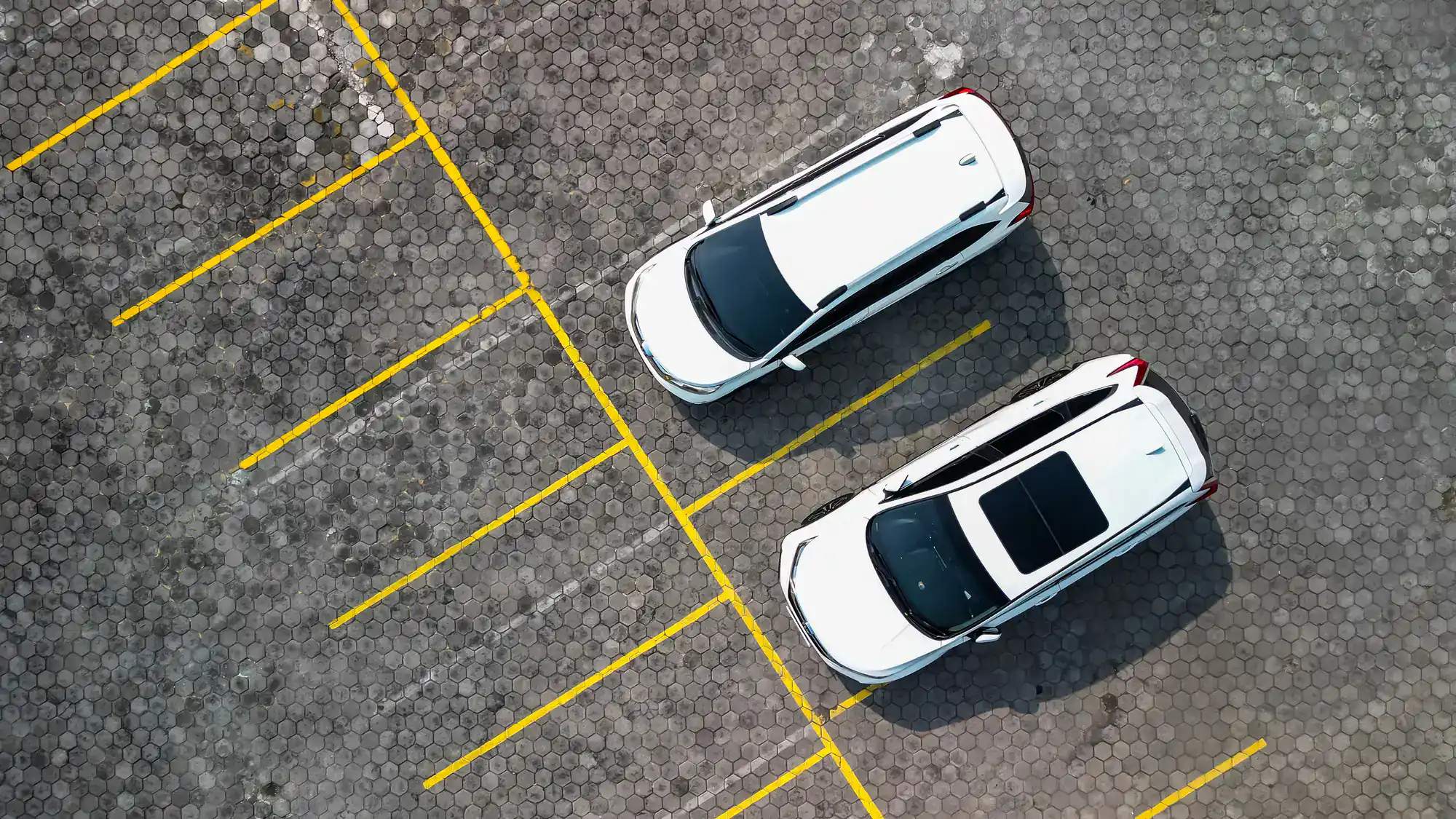
Your parking lot stops being a liability. No more potholes forming after every storm. No more water pooling in low spots. No more customers avoiding certain sections because the pavement’s cracked and uneven.
A properly installed asphalt parking lot in Eagle Lake lasts 20 to 30 years when the base is compacted correctly and drainage is designed to handle Central Florida’s afternoon thunderstorms. That’s decades without needing full replacement—just routine sealcoating every few years to protect against UV damage and water intrusion.
You get a surface that looks professional from day one. Smooth pavement, clean striping, proper drainage. The kind of parking lot that signals you maintain your property. And you eliminate the liability risks that come with deteriorating pavement—trip hazards, vehicle damage, and the insurance headaches that follow. Your lot becomes an asset instead of a problem you’re constantly managing.
We’ve been handling parking lot installation, resurfacing, and repair across Eagle Lake and surrounding Polk County communities for years. Based in Winter Garden, we’ve seen what happens when parking lots are installed by contractors who cut corners—premature cracking within two years, drainage failures that create standing water, base problems that require expensive reconstruction.
We use modern paving equipment and proven installation techniques because shortcuts always surface later. Our team communicates clearly about timelines, costs, and what to expect during your project. You get transparent pricing upfront, not surprise charges when we’re halfway through the job.
Eagle Lake sits between Winter Haven and Lakeland, dealing with the same climate challenges as the rest of Central Florida—intense summer heat that reaches the high 90s, heavy afternoon rains, and humidity that accelerates asphalt deterioration. We design parking lot paving and drainage systems that handle these conditions year after year.
We start with a site evaluation. We examine drainage patterns, soil conditions, existing pavement condition if you’re resurfacing, and how the lot will be used. A parking lot handling daily delivery trucks needs different base specifications than one serving only passenger vehicles. Poor drainage means water sits on the surface and seeps into cracks, so we grade everything to move water off the pavement.
Next comes excavation and base preparation—where most parking lot failures start. We remove unsuitable material, compact the subgrade properly, and install a stable aggregate base. This base supports everything above it. If it’s not compacted to the right density, the asphalt will crack and settle within a few years no matter how good the surface installation is.
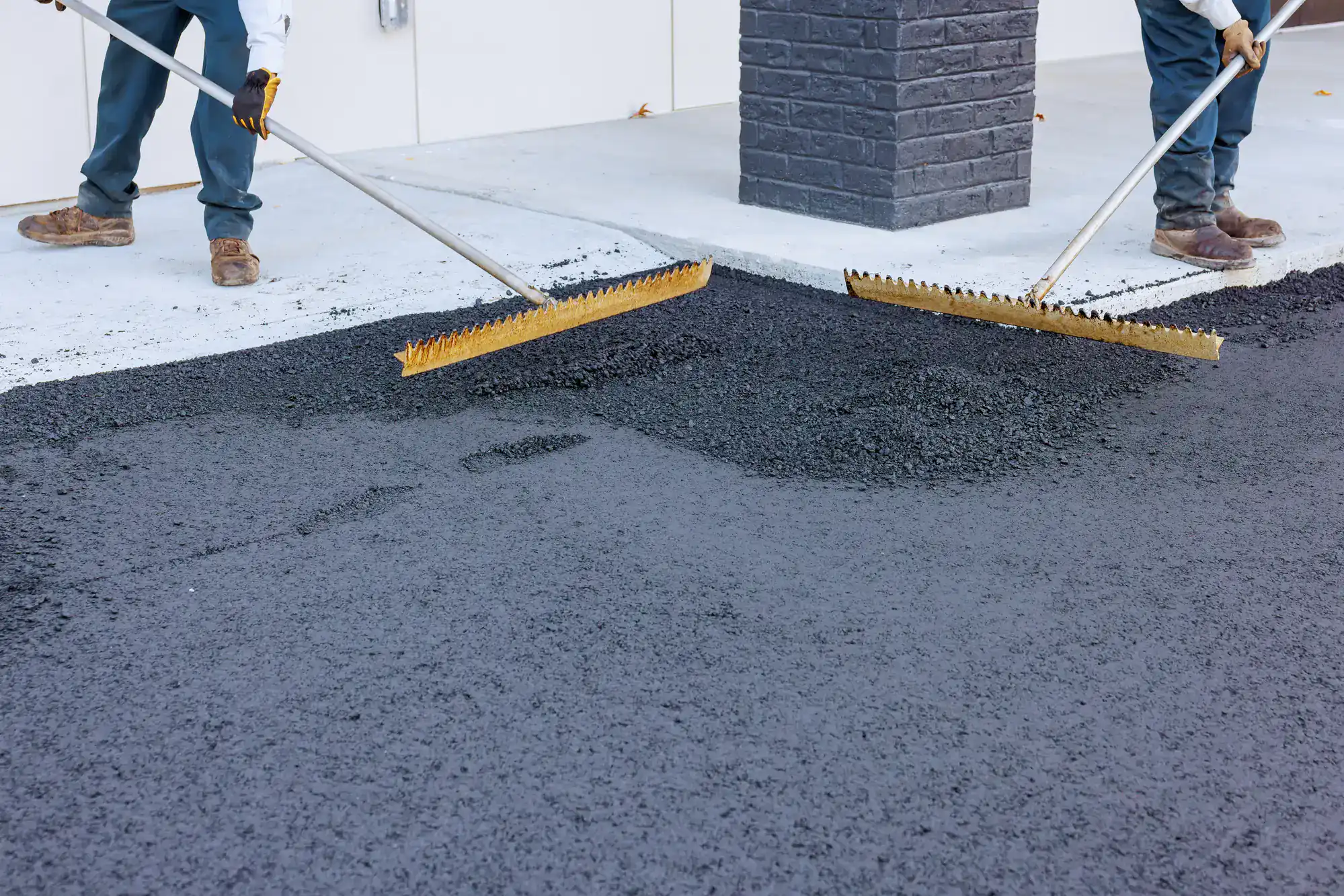
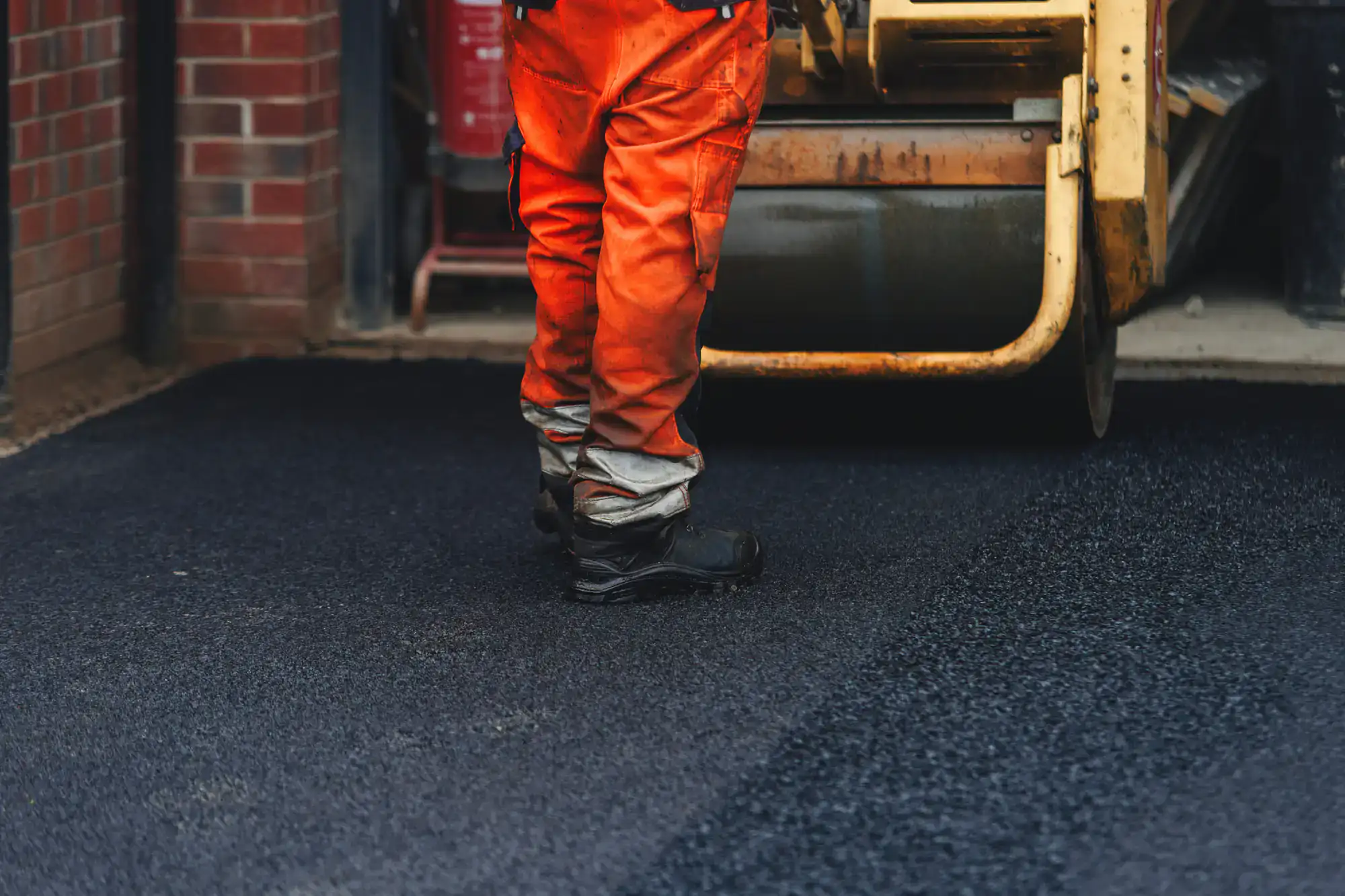
Then we install the asphalt in lifts. Hot mix asphalt arrives from the plant, gets spread evenly, and is compacted while still hot. We typically install commercial parking lots at 2 to 4 inches thick depending on traffic loads. The asphalt needs to be compacted at the right temperature—too hot and it shoves, too cold and it won’t compact properly.
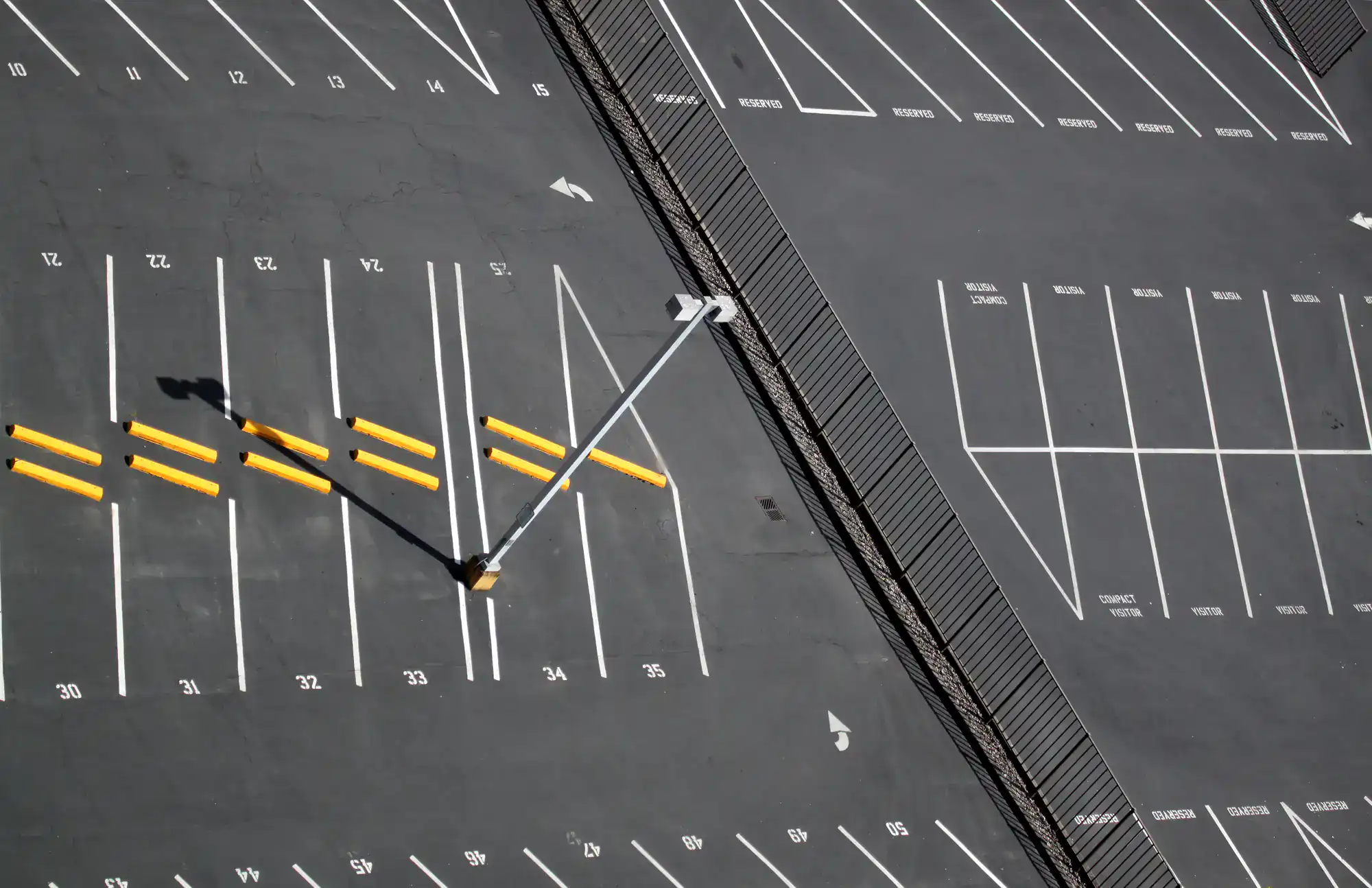
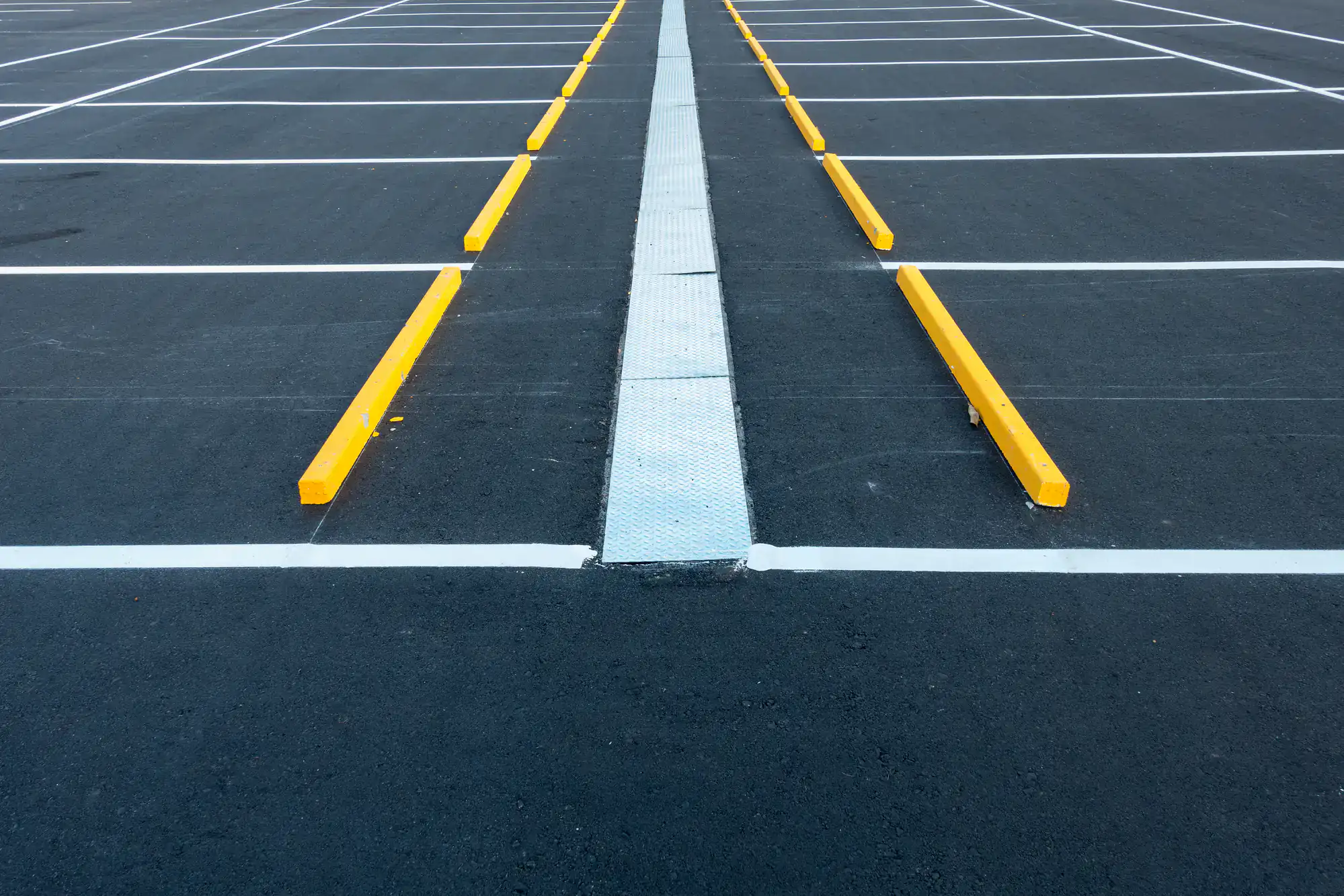
After the asphalt cures, we handle striping, ADA-compliant accessible spaces, and any wheel stops or signage you need. You’ll need to keep all traffic off the new pavement for at least 24 hours while it cures. After that initial cure period, it’s ready for normal use.
For parking lot resurfacing projects, we mill off the deteriorated surface layer, address any base issues or drainage problems, and install a new asphalt overlay. Resurfacing is faster and less expensive than full replacement when your base is still solid but the surface has worn out.
Ready to get started?
Every project starts with a site evaluation. We measure the area, assess drainage, check soil conditions, and identify issues that need addressing before we quote anything. Your quote includes everything—excavation, aggregate base, asphalt materials, compaction, grading work, and striping. No surprise charges added later for work that should have been identified upfront.
Proper drainage design is included in every parking lot installation. Eagle Lake gets hit with intense afternoon thunderstorms that dump inches of rain in under an hour. If water doesn’t drain off your lot quickly, it pools in low spots, seeps through cracks, and deteriorates the base. We slope and grade everything so water moves to drainage areas, swales, or storm drains instead of sitting on your pavement.
You get ADA-compliant striping and signage. Accessible parking spaces require specific dimensions, proper signage placement, and access aisles with the correct slope. We handle these requirements so you’re not dealing with compliance issues or accessibility complaints later.
For parking lot repair work, we identify and fix the root cause. If you’ve developed potholes, we don’t just fill them—we determine why they formed. Usually it’s water penetrating through cracks and compromising the base. We repair the damaged base material, patch the asphalt properly using hot mix that bonds to the existing pavement, and recommend crack sealing or sealcoating to prevent future water intrusion.
We schedule around your business operations. Large parking lots can be phased so you don’t lose all your parking at once. We can work around your off-hours or coordinate with your peak business times. Most standard commercial parking lots in Eagle Lake take two to three days from start to finish, depending on size, scope, and weather conditions.
A properly installed asphalt parking lot in Eagle Lake typically lasts 20 to 30 years with regular maintenance. Central Florida’s climate is harsh on pavement—intense UV exposure breaks down asphalt binders, heavy rains test drainage systems, and heat cycles cause expansion and contraction. But when the base is compacted correctly, drainage is designed properly, and you maintain the surface, the structure holds up for decades.
Maintenance is what separates parking lots that last from those that fail prematurely. Sealcoating every three to five years protects the surface from sun damage and prevents water from penetrating small cracks. Crack sealing as soon as cracks appear stops water from getting under the pavement and causing base failures. Skip the maintenance, and you’ll see accelerated deterioration—cracks spreading into alligator patterns, potholes forming, soft spots developing where water has compromised the base.
Traffic volume affects lifespan. A parking lot handling constant delivery truck traffic wears faster than one serving only passenger vehicles. But proper asphalt thickness and base design compensate for heavy use. We specify thicker asphalt and stronger base materials for high-traffic commercial applications to ensure the pavement holds up to the loads.
Parking lot resurfacing makes sense when your base is still structurally sound but the surface has worn out. If you’ve got surface cracking, fading, minor deterioration, and rough texture but no major structural failures, an overlay works well. We mill off the top layer of damaged asphalt, address any localized problem areas, and install a new surface layer. It’s faster than full reconstruction and costs significantly less.
You need full parking lot replacement when the base has failed. Warning signs include large potholes that keep returning after repairs, widespread alligator cracking across large areas, soft spots where the pavement visibly moves under traffic, and persistent drainage problems where water pools in multiple locations. These indicate the base has been compromised by years of water intrusion or was never installed to proper specifications.
Age factors into the decision too. If your parking lot is over 20 years old and showing multiple types of distress, replacement usually makes more financial sense than resurfacing. You’re addressing underlying problems that will keep appearing until the base is rebuilt properly. We’ll evaluate your lot and give you a straight answer about whether resurfacing will actually solve your issues or just delay inevitable reconstruction. Sometimes spending more upfront for replacement saves money compared to resurfacing a failing base that needs replacement in two years anyway.
Cost depends on project scope, site conditions, and whether you’re installing new pavement or resurfacing existing asphalt. New parking lot installation costs more than resurfacing because you’re building from scratch—excavation, aggregate base installation, compaction, and asphalt paving. Resurfacing costs less because you’re working with an existing base structure.
Site-specific conditions affect pricing significantly. Poor drainage requires additional grading and possibly storm drain installation. Soft or unstable soil means deeper excavation and more base material. Limited equipment access adds time and labor. Parking lots with complex layouts or multiple elevations take longer than simple rectangular lots. Every property presents different challenges, which is why we evaluate your site before providing a quote.
The lowest bid rarely delivers the best value. We regularly repair parking lots that were installed by contractors who underbid the job and cut corners to stay profitable—thin asphalt that cracks within two years, inadequate base that settles and creates low spots, poor compaction that leads to premature failure. Those property owners end up paying twice—once for the cheap installation and again for repairs or replacement years earlier than necessary. Quality parking lot paving costs more initially but lasts decades with normal maintenance, saving substantial money over the pavement’s lifespan.
We provide detailed, transparent pricing after evaluating your Eagle Lake property. Your quote includes everything required to complete the job correctly—no hidden charges or surprise costs for “unforeseen conditions” that should have been identified during the initial site assessment.
Some disruption is unavoidable during parking lot installation or resurfacing, but we minimize the impact on your operations. Most standard commercial parking lots take two to three days from start to finish. Larger lots or complex projects take longer, but we can phase the work so you don’t lose all your parking simultaneously.
We schedule around your business needs. If you’re a retail operation closed Sundays and Mondays, we concentrate work during those days. If you need certain parking areas accessible during business hours for customer access, we work around those requirements. If you operate 24/7, we can phase the project into sections so adequate parking remains available throughout construction. The key is planning the logistics upfront so you know exactly what to expect and can communicate with your customers or tenants.
New asphalt requires at least 24 hours of cure time before traffic. After that initial curing period, the pavement is ready for normal use. For parking lot resurfacing projects, disruption is typically shorter because we’re not rebuilding the base—just milling the surface and installing a new overlay.
Weather delays happen in Central Florida. Afternoon thunderstorms and rain make asphalt paving impossible—hot mix asphalt requires dry conditions for proper installation and compaction. If weather impacts the schedule, we communicate immediately and adjust the timeline. We don’t install asphalt in poor conditions just to meet a deadline, because the work won’t perform properly and you’ll have problems within a year or two.
Asphalt delivers better value for most commercial parking lots in Eagle Lake. It costs less to install, handles Central Florida’s climate better, and is ready for traffic within 24 hours. Asphalt is flexible, so it moves slightly with temperature changes and minor ground settlement without cracking as readily as rigid concrete. When repairs are needed, you can patch asphalt and blend it seamlessly into the existing surface.
Concrete parking lot paving costs significantly more upfront and requires longer cure times—typically seven days before you can allow traffic. Concrete is rigid, which means cracks are harder to prevent and more visible when they occur. Florida’s heat, ground movement from sandy soils, and heavy seasonal rains create challenges for rigid pavements. Concrete repairs are also more noticeable and difficult to blend with the existing surface.
For commercial applications in Eagle Lake, asphalt makes practical sense. It handles the traffic loads, holds up to the climate conditions, and costs less to install and maintain over time. Concrete might be appropriate for specific high-traffic areas or when you need a particular aesthetic appearance, but for general parking lot use, asphalt provides superior value.
The lifespan difference isn’t as dramatic as many people assume. A well-installed asphalt parking lot lasts 20 to 30 years with proper maintenance. Concrete might last 30 to 40 years under ideal conditions, but the substantially higher installation cost, longer cure time, and more expensive repairs often don’t justify the additional decade of service life—especially when asphalt is simpler and cheaper to maintain throughout its lifespan.
Wait at least six months to a year before applying the first sealcoat to new asphalt. Fresh asphalt needs time to cure fully and release oils naturally present in the mix. If you sealcoat too early, you trap those oils and prevent proper curing, which can cause the sealcoat to fail, create a slippery surface, or prevent proper bonding.
After that initial application, plan to sealcoat every three to five years depending on traffic volume and sun exposure. Sealcoating protects against UV damage, which breaks down the asphalt binder over time and causes the surface to become brittle and crack. It also fills small surface imperfections, seals hairline cracks before they widen, and provides a protective barrier against water, oil, gas, and other automotive fluids that deteriorate asphalt.
In Eagle Lake’s climate, UV protection is critical. Central Florida sun is relentless year-round, and unprotected asphalt oxidizes and deteriorates much faster than in northern climates with less intense sun exposure. Regular sealcoating extends your parking lot’s lifespan significantly by preventing oxidation and water intrusion—the two primary causes of premature pavement failure in Florida.
Don’t wait until your parking lot looks severely weathered to apply sealcoat. By that point, you’ve already lost years of pavement life to preventable deterioration. Sealcoating is preventative maintenance, not cosmetic repair done after damage occurs. It’s substantially cheaper than allowing the surface to deteriorate and then having to invest in crack filling, pothole repair, or partial resurfacing of sections that could have been protected with timely maintenance.
Other Services we provide in Eagle Lake