Hear from Our Customers
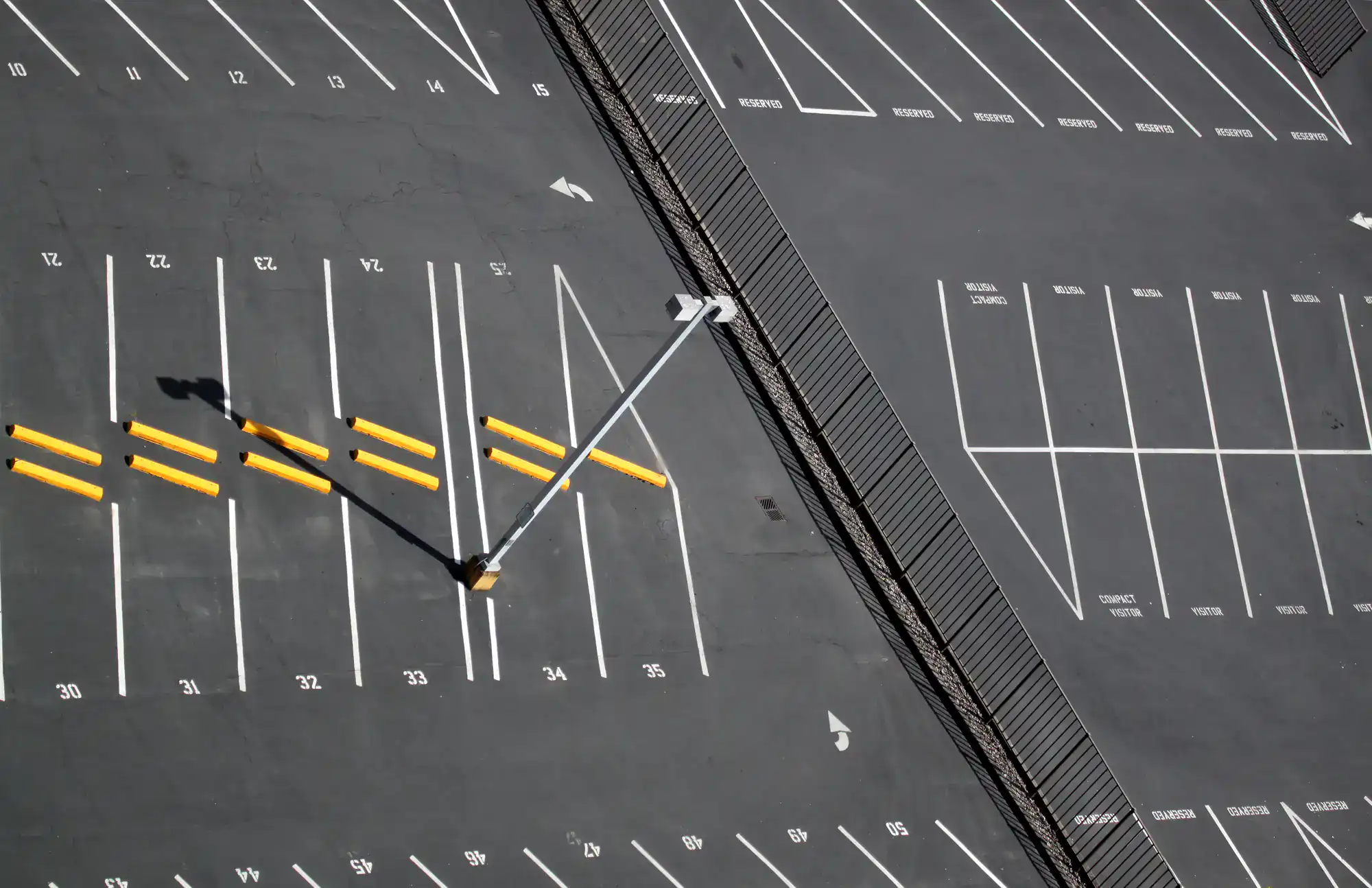
When your parking lot looks rough, customers notice. Cracks, potholes, and faded lines don’t just look bad—they’re liability risks waiting to happen.
A properly installed asphalt parking lot does more than hold cars. It handles Florida’s intense UV rays without turning brittle. It sheds water instead of pooling it. It stays smooth under heavy traffic, day after day, year after year.
You’re not looking for the cheapest option that needs replacing in five years. You’re looking for parking lot paving services that protect your investment, keep people safe, and make your property look like you actually care about it. That’s what proper installation gets you—fewer headaches, lower long-term costs, and a lot less explaining when someone points out another pothole.
We’ve been handling parking lot installation and repair across Central Florida for years. Based in Winter Garden, we serve Crooked Lake Park and the surrounding Polk County area with a straightforward approach: build it right, communicate clearly, finish on time.
We focus on residential driveways and commercial parking lots, using equipment and techniques that actually match Florida’s climate demands. Heat, humidity, and hurricane-season rain aren’t surprises here—they’re factored into every job from the start.
Whether you’re paving a new lot or fixing one that’s falling apart, we handle the process without the runaround. Free consultations, transparent pricing, and work that holds up when it matters.
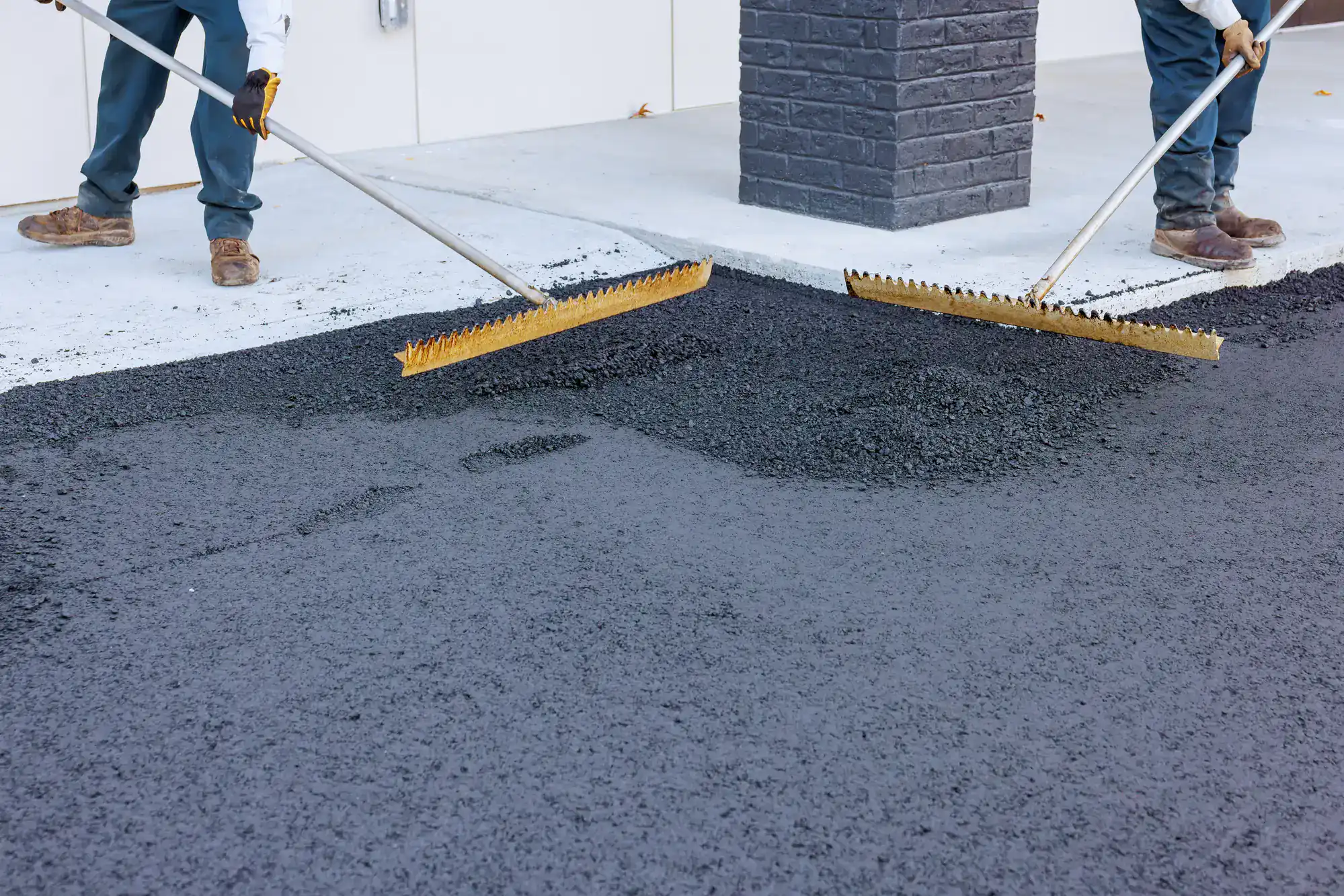
First, we assess your site. We check drainage, test the soil, and spot any issues that’ll cause problems later—like water pooling or weak ground. No guessing, no shortcuts.
Next comes excavation and grading. Old pavement or debris gets cleared out. The ground gets shaped with a 2% slope so water actually drains instead of sitting there and eating through your asphalt. Then comes the base layer—8 to 12 inches of compacted gravel that keeps everything stable.
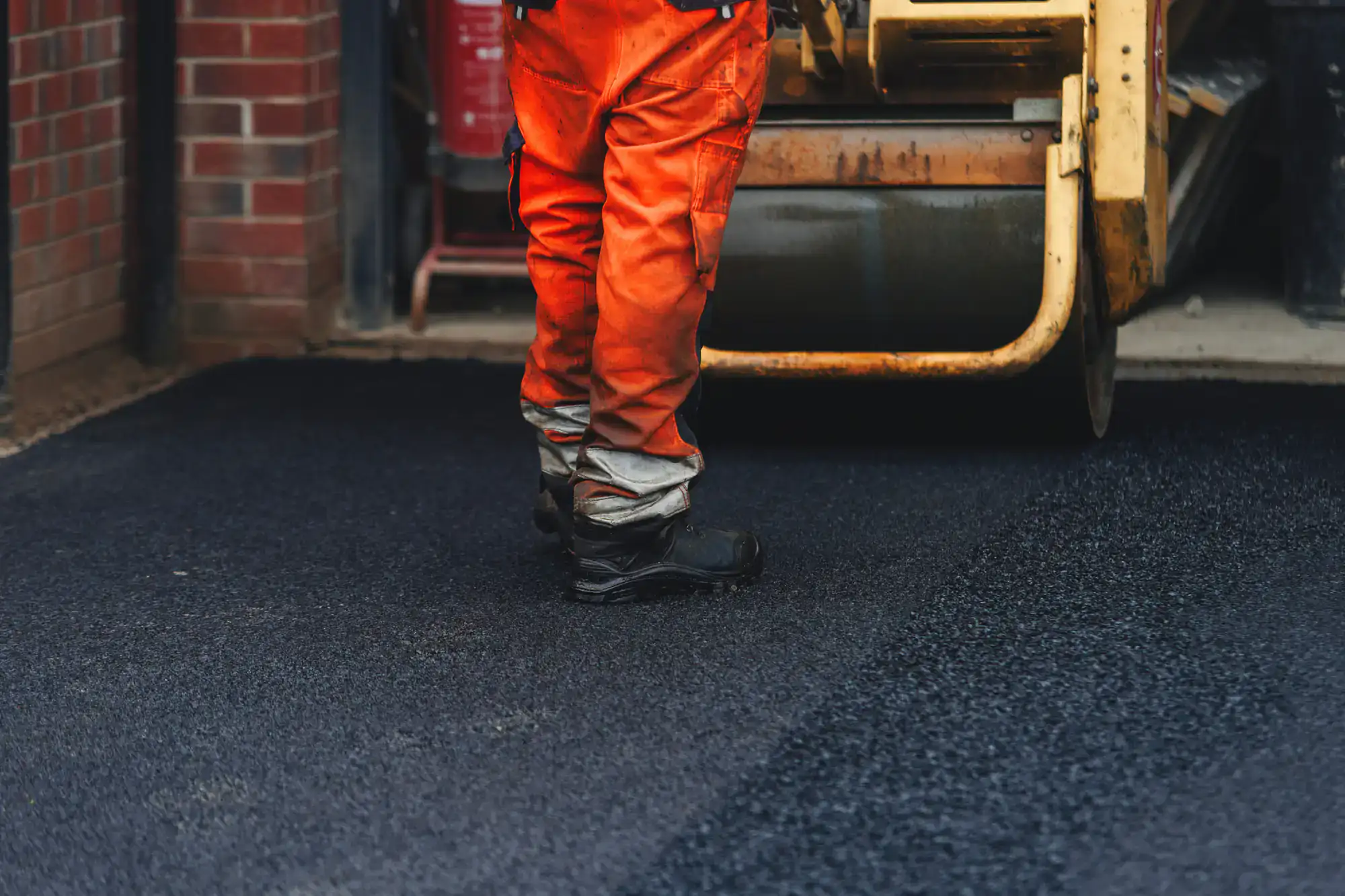
After the base is set, the asphalt goes down in two layers. A binder layer for strength, then a smooth top coat for the surface. Everything gets rolled flat and compacted properly. Once it cures, lines get painted, and you’re done. Most medium-sized lots take 3 to 7 days, weather depending. Rain can slow things down, but we work around it when possible.
Ready to get started?
Parking lot paving in Crooked Lake Park means dealing with Central Florida’s specific challenges. The area sits near Lake Wales in Polk County, where summer heat softens asphalt and afternoon thunderstorms dump water faster than poor drainage can handle.
We build surfaces engineered for these conditions. That means proper base preparation so the ground doesn’t shift. It means grading that actually directs water away from the pavement instead of letting it pool and crack everything apart. It means using asphalt thick enough to handle the traffic you’re putting on it—not the bare minimum.
For commercial properties around Crooked Lake Park, curb appeal matters. A smooth, well-maintained parking lot tells customers you run a tight operation. Cracks and potholes tell them you don’t. Beyond appearances, proper parking lot paving services reduce your liability exposure. Fewer trip hazards, fewer vehicle damage claims, fewer insurance headaches.
The investment pays off when you factor in longevity. A properly installed commercial parking lot with the right base, drainage, and asphalt thickness can handle decades of use. Compare that to cheap installations that need major repairs within 5 to 10 years, and the math makes sense.
Regular maintenance extends the life of your lot significantly. Sealcoating every 2 to 3 years protects against UV damage and moisture. Crack filling stops small problems before they turn into expensive ones. Pothole repair prevents minor damage from becoming structural failures. With the right care, you’re looking at 20 to 30 years of service from a properly installed parking lot—not constant repairs and Band-Aid fixes.
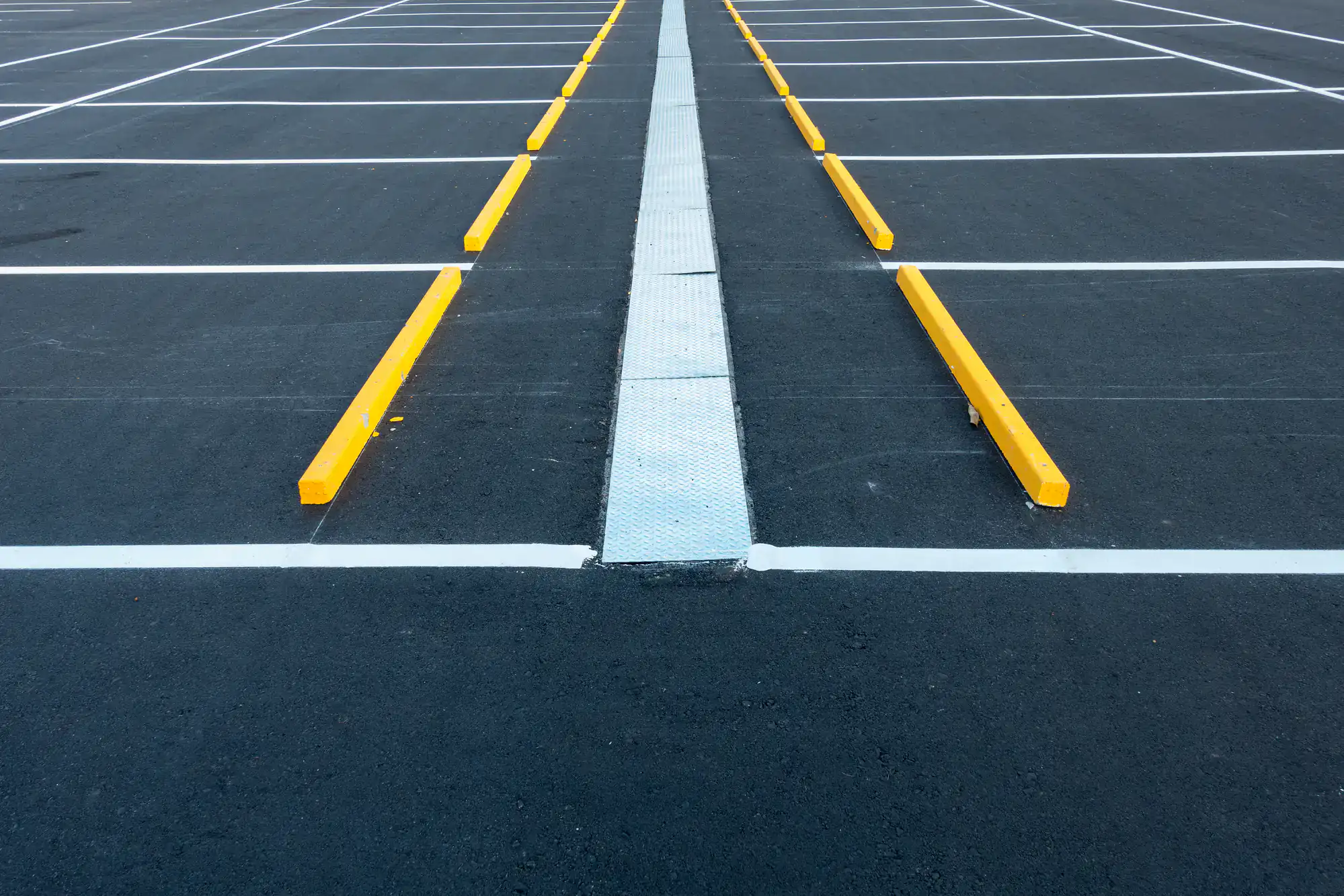
Asphalt parking lot paving typically runs between $2 and $4.50 per square foot for materials and installation. A 10,000-square-foot lot—enough for about 30 cars—generally costs between $20,000 and $45,000.
The final price depends on several factors. Site preparation adds cost if you need significant grading, drainage work, or tree removal. Asphalt thickness matters too—standard lots need about 3 inches, but heavy truck traffic requires more. If your existing surface is damaged, repair work before paving increases the total.
Location affects pricing as well. Crooked Lake Park’s proximity to Lake Wales and the surrounding Polk County area keeps costs relatively consistent with Central Florida rates, but every site is different. The best way to know what you’re looking at is a free consultation where we actually examine your property instead of guessing over the phone.
With proper maintenance, an asphalt parking lot in Central Florida lasts 20 to 30 years. Without it, you’re looking at 10 to 15 years before major problems force your hand.
Florida’s climate is tough on asphalt. Intense UV rays break down the binding agents, making the surface brittle and prone to cracking. Heat causes expansion, then cool nights cause contraction—this constant cycle stresses the pavement. Heavy rainfall during hurricane season seeps into any cracks, weakening the base and creating potholes.
Sealcoating every 2 to 3 years protects against these issues. It blocks UV damage, prevents water infiltration, and keeps the surface flexible. Crack filling stops small problems before they spread. Pothole repair prevents minor damage from becoming structural failures. These maintenance steps aren’t optional if you want your lot to last—they’re what separates a 30-year investment from a 10-year headache.
Resurfacing adds a new layer of asphalt over your existing surface—usually about 2 inches thick. It’s less expensive than full repaving and works well when the base is still solid but the top layer is worn, faded, or cracked.
Repaving (or reconstruction) means tearing out the old asphalt down to the base, fixing any drainage or structural issues, and building everything back up from scratch. You do this when the base has failed, when drainage problems have caused serious damage, or when the existing pavement is beyond saving.
In Crooked Lake Park and the surrounding area, drainage is a big factor. If water has been pooling on your lot or if you’re seeing alligator cracking (interconnected cracks that look like reptile skin), resurfacing won’t fix it. You need full reconstruction to address the underlying problems. A site assessment tells you which route makes sense for your situation—and which one saves you money long-term.
Proper drainage starts with correct grading during installation. The lot needs at least a 2% slope so water flows toward drainage points instead of sitting on the surface. Standing water accelerates pavement deterioration and creates safety hazards.
Catch basins and drainage systems handle the water once it runs off. These need to be sized correctly for Florida’s heavy rainfall—Central Florida gets about 55 inches of rain per year, and hurricane season brings torrential downpours that can overwhelm undersized systems. Clogged drains cause the same problems as no drains at all, so regular cleaning is part of the equation.
If your existing lot has drainage issues, they need to be fixed before any paving work happens. Laying new asphalt over a poorly graded base just means you’ll be dealing with the same flooding and water damage in a few years. We assess drainage as part of every site evaluation because fixing it later costs significantly more than doing it right the first time.
Late fall through early spring offers the most consistent weather for paving work in Central Florida. You’re avoiding the peak heat of summer and the heavy afternoon thunderstorms that can delay projects.
That said, asphalt work can be done year-round in Florida with the right approach. The material needs temperatures above 50°F to cure properly, which isn’t an issue here. Summer heat actually helps asphalt compact better, but it also means working around afternoon rain and scheduling around the hottest parts of the day.
Hurricane season (June through November) brings the biggest weather uncertainty. Projects can get delayed by sudden storms, and you don’t want fresh asphalt sitting uncured when a tropical system rolls through. For commercial properties, scheduling during slower business periods makes sense so parking disruptions don’t impact your customers. We can work around your operational needs, but planning ahead gives you more flexibility.
It depends on the size of the job and how the work is phased. For smaller lots, yes—you’ll need to close everything for a few days while we work and the asphalt cures. For larger commercial lots, the work can often be done in sections so part of your parking remains accessible.
Fresh asphalt needs 24 to 48 hours before light traffic can use it. Heavy vehicles should stay off for at least a week to prevent depressions and tire marks. In Florida’s heat, extending that cure time to 3 to 5 days is smart.
We work with you to minimize disruption. That might mean scheduling work during off-hours, phasing the project so you always have some parking available, or timing everything around your slowest business days. The goal is getting the job done right without shutting down your operation longer than necessary. Clear communication up front means fewer surprises and less impact on your customers.
Other Services we provide in Crooked Lake Park