Hear from Our Customers
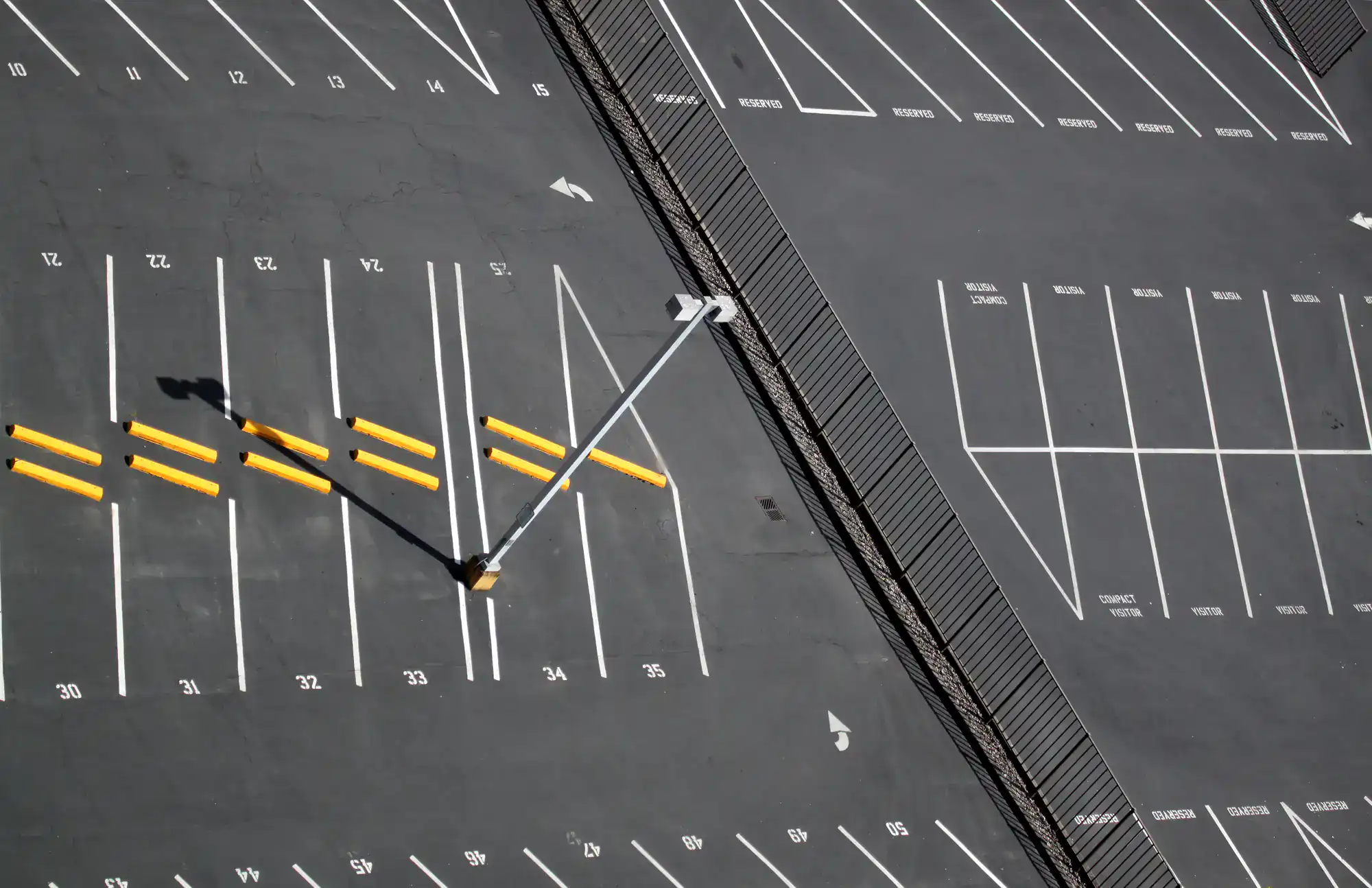
You pull up to a smooth, professional surface that makes your property look credible. No more explaining potholes to customers or worrying about liability. No more patching the same cracks every six months.
The parking lot drains properly when Florida’s afternoon storms roll through. Water doesn’t pool in low spots. The asphalt doesn’t crumble at the edges or develop spiderweb cracks after one summer.
You’re not calling for emergency repairs in year two because someone cut corners on the base. The surface holds up to daily traffic, delivery trucks, and Central Florida’s brutal combination of heat, UV exposure, and heavy rain. That’s what proper parking lot installation looks like.
Central Florida Blacktop Paving Inc. has been installing and maintaining asphalt surfaces across Polk County and the surrounding region for over 40 years. Based in Winter Garden, we understand exactly what Florida weather does to pavement and how to build surfaces that withstand it.
We know Combee Settlement’s proximity to Lakeland’s commercial corridor means parking lots serve a mix of local businesses, distribution centers, and retail operations. We’ve paved everything from small business lots to larger commercial installations, always with the same focus on proper technique and durable results.
We handle projects from start to finish with clear communication and realistic timelines. No surprises, no disappearing after the deposit clears, no excuses when something needs attention.
It starts with a site evaluation. We assess your existing surface, check drainage patterns, and test the soil conditions. This isn’t a five-minute walkthrough—it’s about identifying potential problems before they become expensive mistakes.
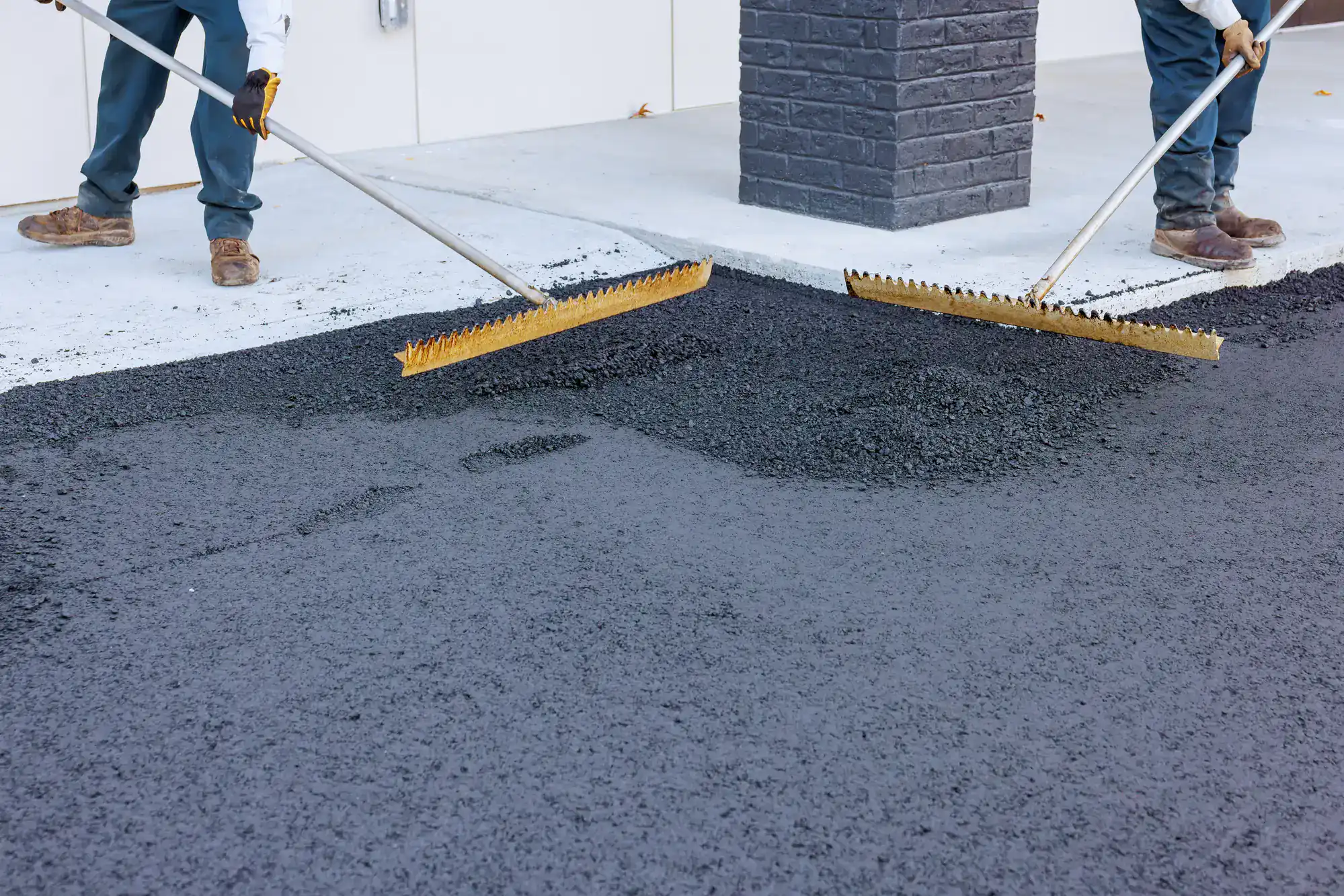
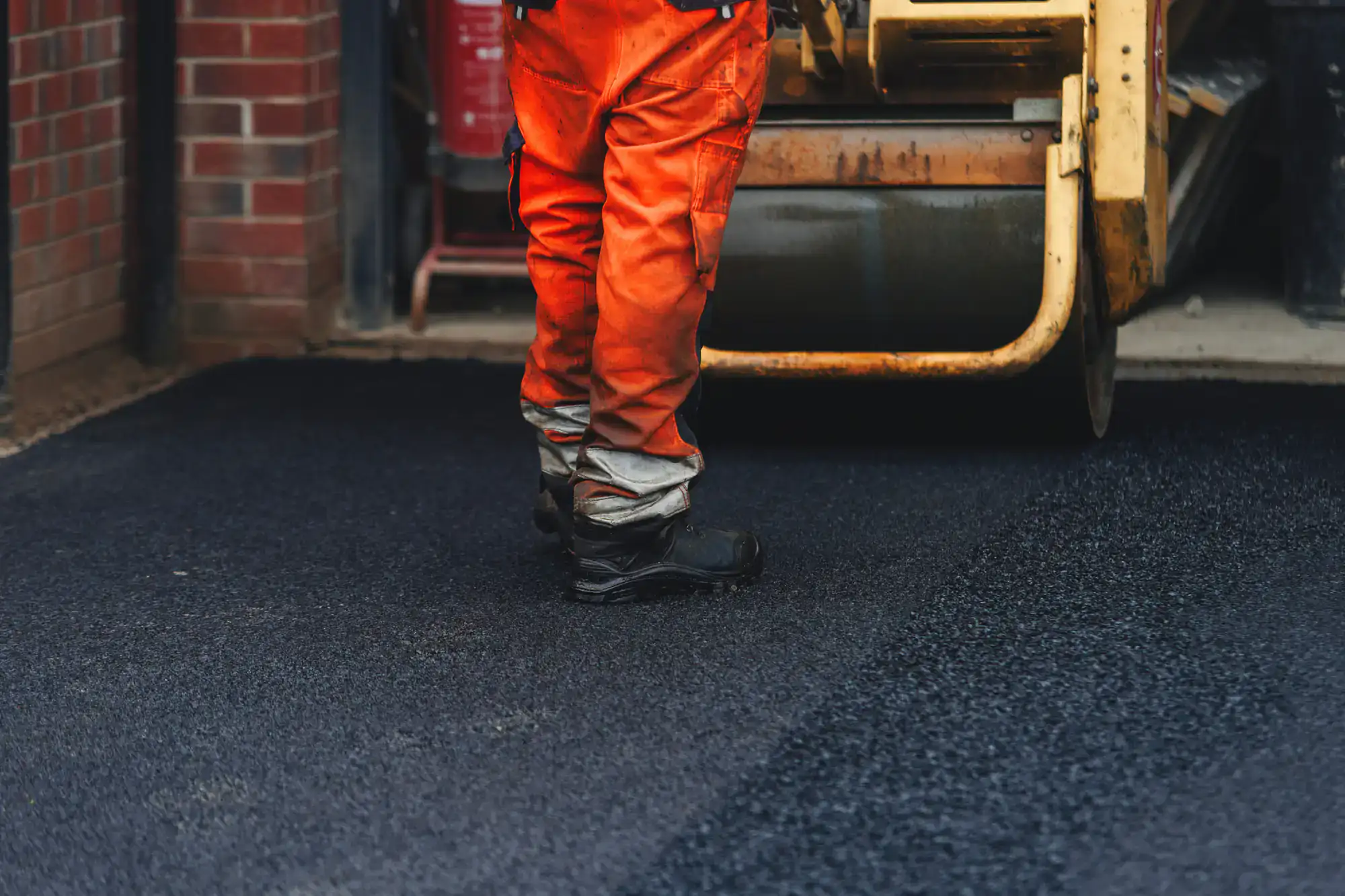
If you’re replacing an old lot, the damaged asphalt gets removed completely. Then comes base preparation, which is where most cheap contractors cut corners. Proper installation requires 6 to 12 inches of compacted gravel base, graded with a 2% slope so water drains instead of pooling.
The asphalt goes down in layers. A strong binder layer first, then a smooth top coat. For standard car traffic, you need at least 3 inches of asphalt. Heavy truck traffic requires more. The asphalt gets compacted while it’s still hot to eliminate air pockets and create a dense, durable surface.
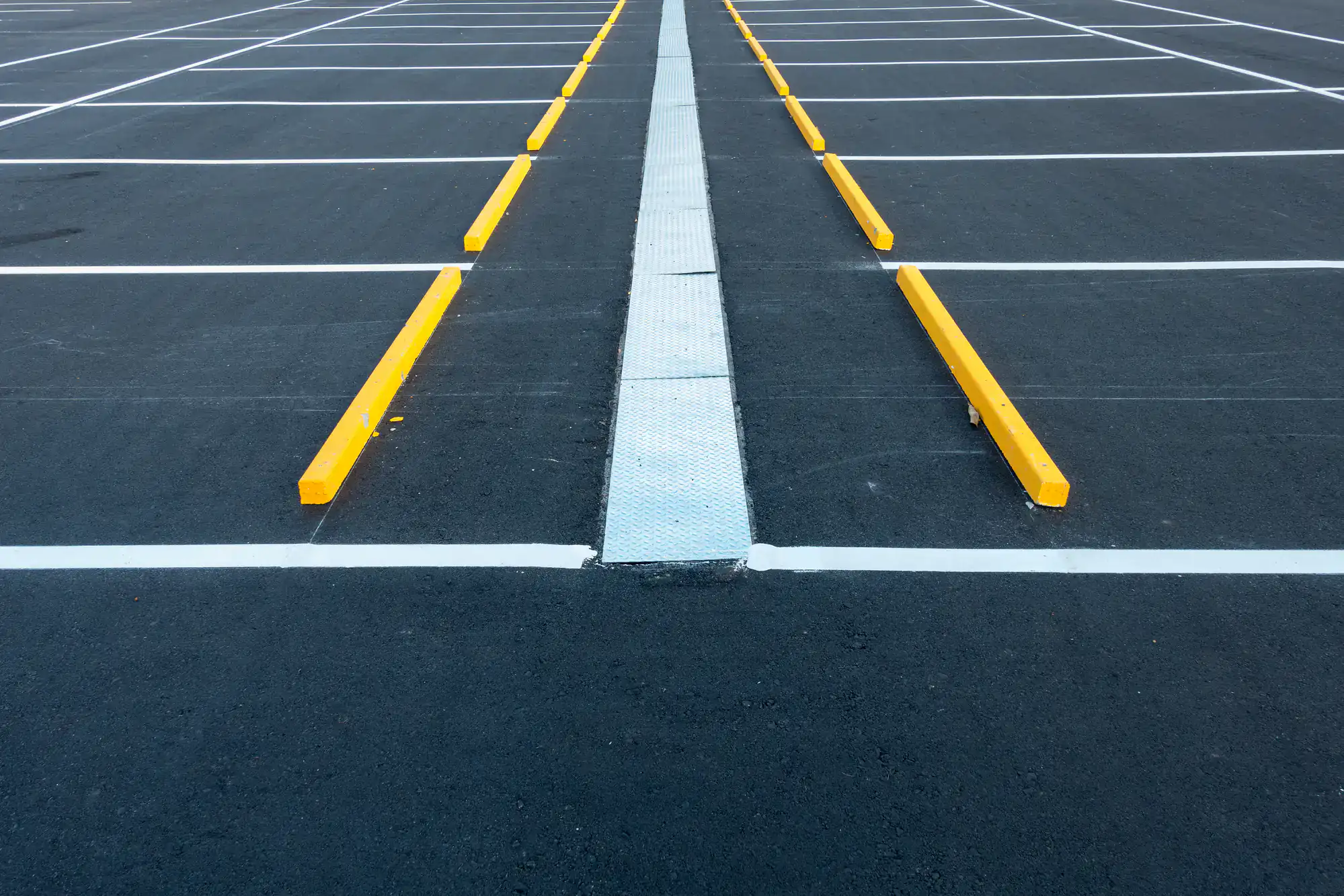
After the asphalt cures, striping goes down. Clear parking space lines, ADA-compliant accessible spots, directional arrows, and any other markings your lot needs. The whole process typically takes a few days to a week, depending on size and complexity. You get a parking lot that’s built to handle 20 to 30 years of use with proper maintenance.
Ready to get started?
Parking lot paving in Combee Settlement means dealing with specific local conditions. The area’s sandy soils require careful base preparation. Central Florida’s 55 inches of annual rainfall demands proper drainage design. Summer heat and intense UV exposure call for quality asphalt mixes that resist oxidation and cracking.
You get site-specific recommendations based on your property’s actual conditions, not generic solutions. If your lot needs resurfacing instead of full replacement, you’ll hear that. If drainage improvements will prevent future problems, that gets included in the plan. If the existing base is solid and only the surface needs attention, there’s no reason to tear everything out.
The work includes proper base preparation, asphalt installation with appropriate thickness for your traffic levels, and professional striping. ADA compliance gets handled correctly the first time. Drainage gets designed to move water away from the pavement, not let it sit and cause deterioration.
For businesses near Lakeland’s commercial corridor or along the routes connecting to Tampa and Orlando, parking lots take constant traffic. The installation accounts for that. Materials and techniques are chosen for longevity, not just passing inspection on day one.
Parking lot paving in Combee Settlement typically runs between $2 and $4.50 per square foot for a complete installation, including materials and labor. That covers proper base preparation, asphalt installation, and basic striping. The actual cost depends on several factors specific to your property.
Site conditions matter significantly. If your soil needs extra stabilization or drainage improvements, that adds cost. Lots requiring removal of old, failed pavement cost more than new installations on prepared ground. Thickness requirements vary based on expected traffic—standard car parking needs about 3 inches of asphalt, while areas handling delivery trucks or heavy equipment need 4 to 6 inches or more.
Size affects your per-square-foot price. Larger lots benefit from economies of scale, bringing the unit cost down. Smaller lots often cost more per square foot because mobilization and equipment costs get spread across less area. Additional features like ADA-compliant spaces, custom striping, or enhanced drainage systems add to the total. The best approach is getting a site-specific quote based on your actual conditions and requirements.
The decision between resurfacing and replacement comes down to the condition of your parking lot’s foundation. If the base is still solid and stable, resurfacing can add 8 to 15 years of life at a fraction of replacement cost. If the base has failed, resurfacing just postpones the inevitable and wastes money.
Resurfacing works when you have widespread surface cracks, fading, or minor potholes, but the pavement doesn’t show signs of base failure. It involves adding a new layer of asphalt over the existing surface after repairing major damage. Resurfacing typically costs $1 to $3 per square foot and takes just a few days. It’s ideal for parking lots under 20 years old with less than 30% surface damage.
Full replacement becomes necessary when you see alligator cracking (interconnected cracks that look like reptile skin), extensive potholes throughout the lot, or areas where the pavement has sunk or shifted. These indicate the base layer has failed. At that point, resurfacing is like putting new paint on rotting wood—it looks better temporarily but doesn’t fix the real problem. Replacement costs $4 to $10 per square foot but gives you a properly built lot that lasts another 20 to 30 years. A professional site evaluation can tell you exactly which approach makes sense for your situation.
A properly installed asphalt parking lot in Central Florida typically lasts 20 to 30 years with appropriate maintenance. That lifespan depends heavily on three factors: initial installation quality, regular maintenance, and traffic levels. Florida’s climate is particularly harsh on asphalt, so proper installation and maintenance matter more here than in many other regions.
The installation quality determines your starting point. Parking lots built with proper base preparation, adequate asphalt thickness, and correct drainage design start with a significant advantage. Lots where contractors skipped steps or used substandard materials often fail within 5 to 10 years, no matter how well you maintain them afterward. That’s why the base preparation and material quality matter so much upfront.
Regular maintenance extends lifespan significantly. Sealcoating every 2 to 4 years protects against Florida’s intense UV exposure and heavy rainfall. Crack sealing prevents small issues from becoming major failures. Proper maintenance can add 15 to 20 years to your parking lot’s functional life. Traffic levels also play a role—a lot handling constant heavy truck traffic wears faster than one serving primarily passenger vehicles. But even high-traffic lots reach that 20 to 30 year lifespan when built and maintained correctly.
Late spring through early fall offers the best conditions for parking lot paving in Combee Settlement and Central Florida. Asphalt needs warm temperatures to properly compact and cure—ideally 50°F or higher for air and ground temperatures. Florida’s climate generally supports paving most of the year, but some periods work better than others.
Summer provides consistently warm temperatures that help asphalt compact properly and cure quickly. The heat actually benefits the installation process. However, Florida’s afternoon thunderstorms during summer months can cause scheduling challenges. We need dry conditions for paving, and unexpected rain can delay projects. Spring and fall offer a sweet spot with warm temperatures and typically less rainfall.
Winter paving is possible in Florida since temperatures rarely drop below 50°F, but cooler overnight temperatures can slow curing. You want to avoid paving when rain threatens within 24 hours of installation, regardless of season. The asphalt needs time to cool and harden before getting wet. We monitor weather forecasts closely and schedule accordingly. Your specific project timeline also matters—if you need paving during peak business season, proper planning and scheduling can make almost any time work.
You can typically allow light foot traffic on new asphalt within 24 hours, but vehicle traffic should wait 3 to 5 days for proper curing. Full curing actually takes 6 to 12 months, during which the asphalt remains somewhat pliable. Understanding these timelines helps you plan around business operations and avoid damage to your new surface.
The first 24 hours are critical. The asphalt is still cooling and hardening. Walking on it might be fine, but any vehicle weight will leave impressions and cause damage. After 3 to 5 days, the surface has hardened enough for regular vehicle traffic. However, you should still avoid heavy trucks or equipment during the first week if possible.
Even after that initial curing period, treat the new asphalt carefully for the first few months. Avoid sharp turns with the steering wheel stationary—that can gouge the surface. Don’t park in the exact same spots repeatedly during the first few weeks. Heavy equipment should be kept off the new surface for at least a month. The asphalt continues hardening over the following 6 to 12 months, gradually reaching its full strength and durability. Following these guidelines protects your investment and ensures the parking lot performs as expected for its full 20 to 30 year lifespan.
We handle the complete range of parking lot services, from minor repairs to full installations. That includes crack sealing, pothole patching, resurfacing, sealcoating, striping, and complete parking lot replacement. Having one contractor who understands your parking lot’s full history and can handle everything from routine maintenance to major work saves you time and ensures consistency.
Regular maintenance prevents small problems from becoming expensive failures. Crack sealing costs pennies per linear foot but stops water infiltration that leads to potholes and base failure. Sealcoating every 2 to 4 years protects against UV damage and extends your parking lot’s lifespan significantly. Pothole patching addresses isolated damage before it spreads. These routine services are just as important as the initial installation for maximizing your parking lot’s longevity.
When maintenance isn’t enough anymore, resurfacing or replacement becomes necessary. We evaluate your parking lot’s actual condition and recommend the most cost-effective solution. If resurfacing will give you another 10 to 15 years, there’s no reason to pay for complete replacement. If the base has failed and resurfacing would just waste money, you’ll hear that too. The goal is helping you make informed decisions based on your parking lot’s real condition and your budget, not pushing the most expensive option.
Other Services we provide in Combee Settlement