Hear from Our Customers
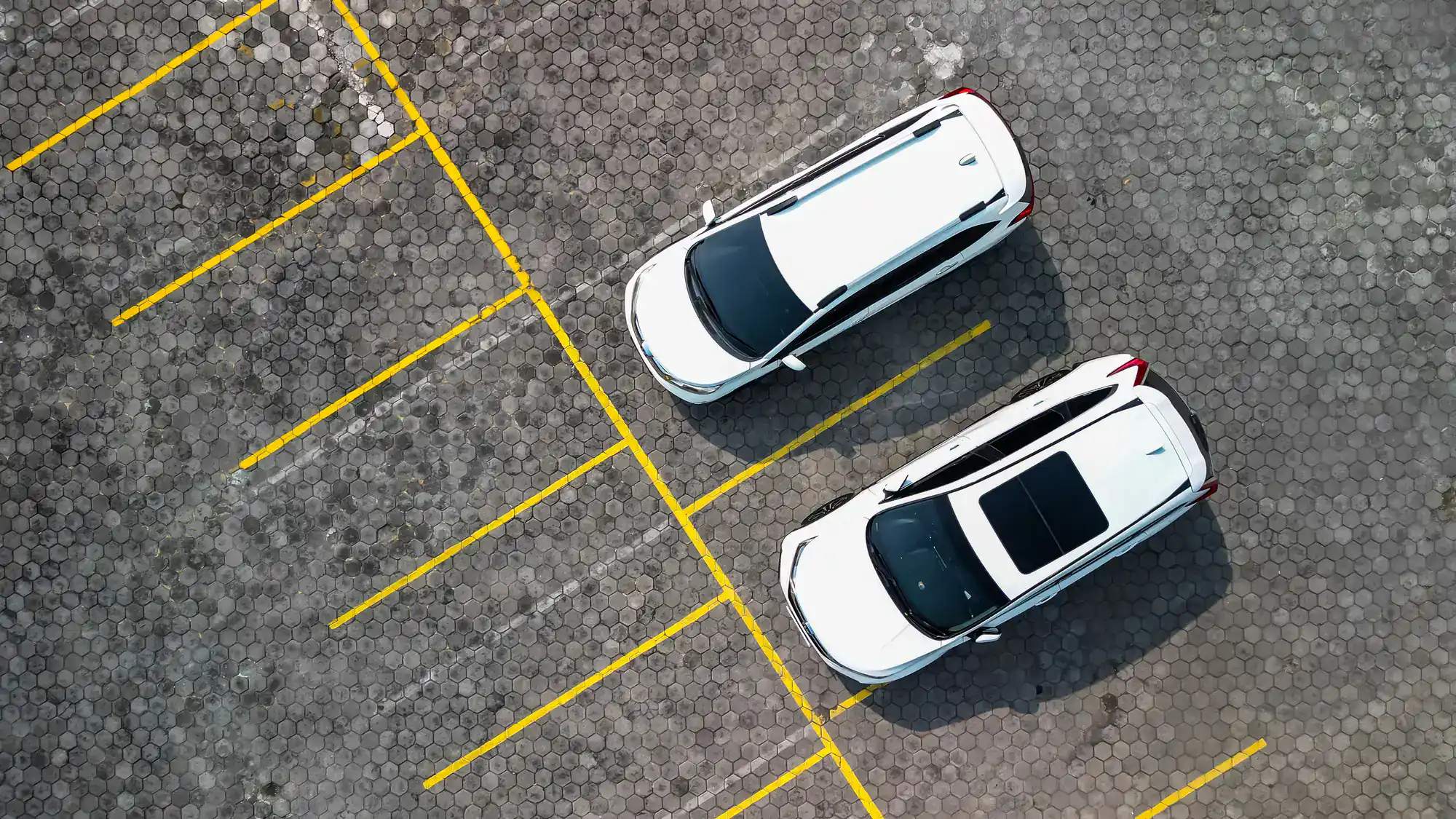
Your parking lot takes a beating. Florida sun bakes it all day. Heavy rains test the drainage. Trucks roll over it. Customers park on it. And you need it to look professional while handling all of that without turning into a cracked mess in five years.
That’s where proper parking lot paving makes the difference. Not the rushed job with a thin layer over questionable base. The kind that starts with real site prep—grading for drainage, compacted base material, proper asphalt thickness for your traffic load.
When it’s done right, you’re not calling for repairs every other year. You’re not dealing with standing water that keeps customers away. You’re not worried about liability from potholes. You’ve got a smooth, durable surface that does its job and lets you focus on running your business.
We’ve been handling parking lot installation and asphalt paving across Polk County and the surrounding Central Florida region for decades. We operate out of Winter Garden and serve property owners throughout Babson Park, Davenport, and nearby communities who need paving work that actually lasts.
Florida’s climate isn’t kind to asphalt. The UV exposure, the humidity, the afternoon storms that dump inches of rain—it all accelerates wear. That’s why we focus on proper base preparation, drainage design, and quality materials that can handle what this region throws at pavement.
Whether it’s a small business lot or a larger commercial property, we approach each project with the same attention to detail. Free consultations, transparent pricing, and work completed on schedule.
First, the site gets evaluated. Soil conditions, drainage patterns, traffic load expectations. This determines how much base material you need and what grade adjustments have to happen. Skipping this step is how parking lots fail early.
Next comes excavation and base prep. Old asphalt or unstable material gets removed. The subgrade gets graded to a 2% slope so water moves off the surface instead of pooling. Then comes 8-12 inches of compacted gravel base—the foundation that keeps your asphalt from sinking or cracking under load.
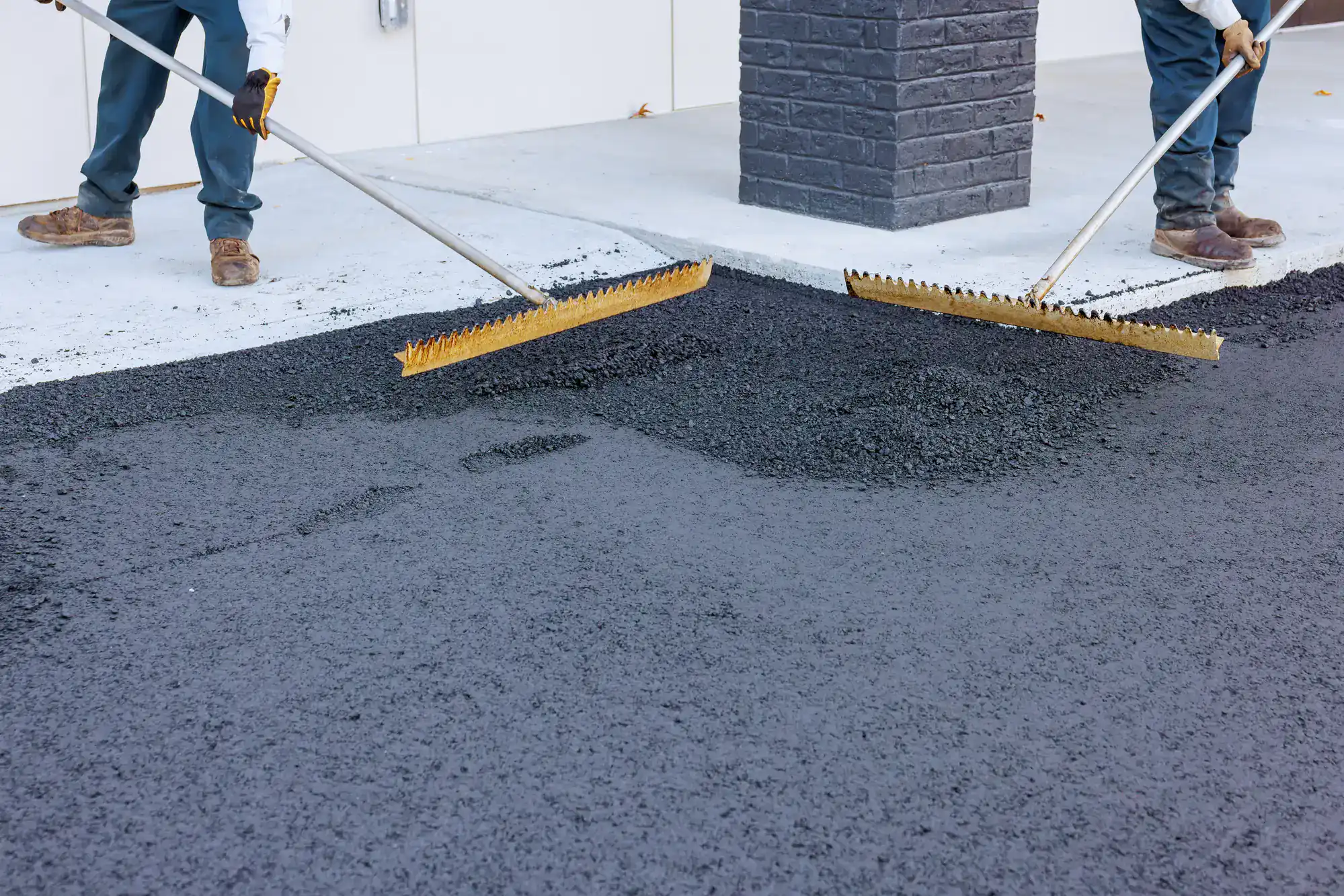
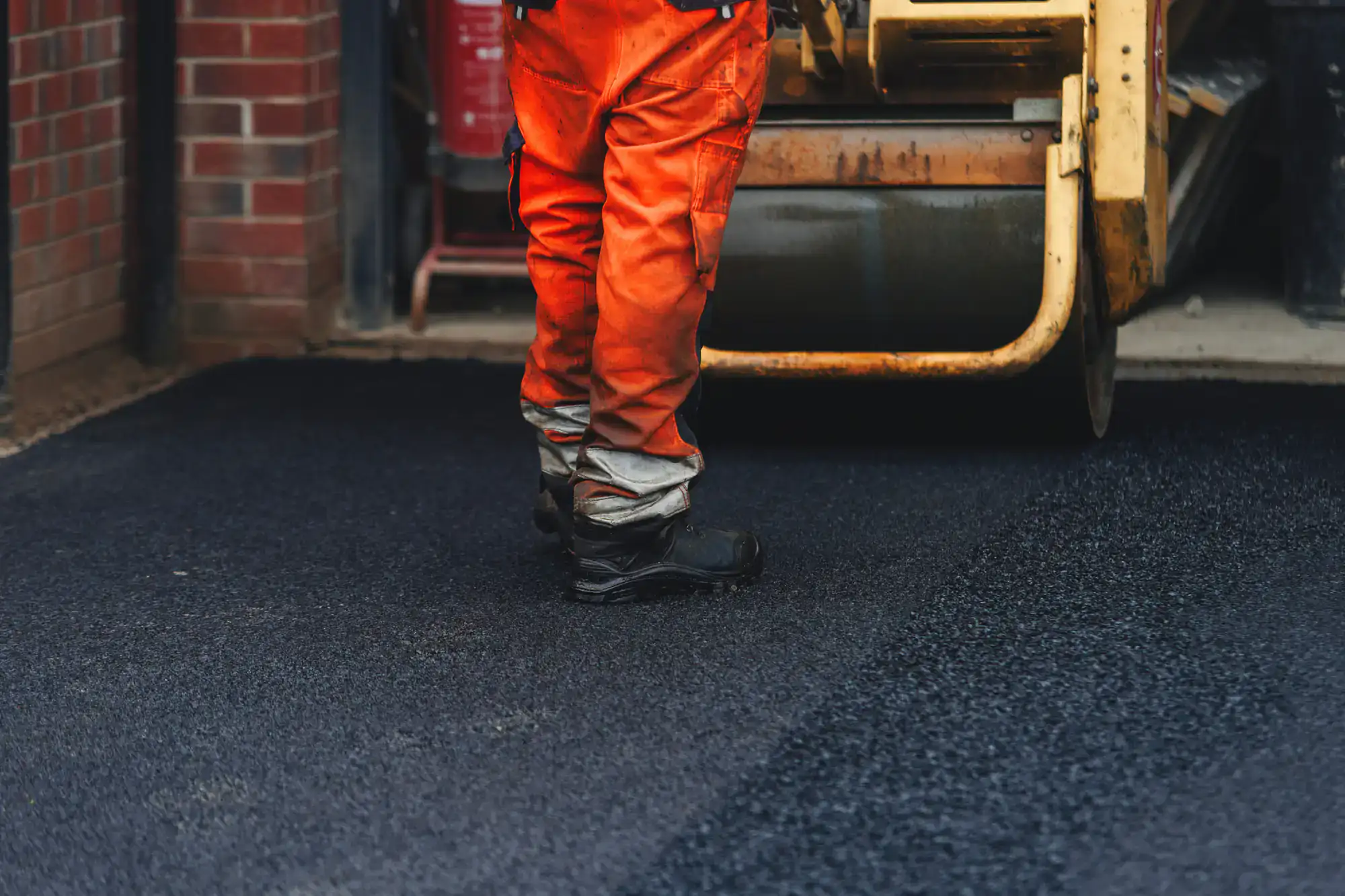
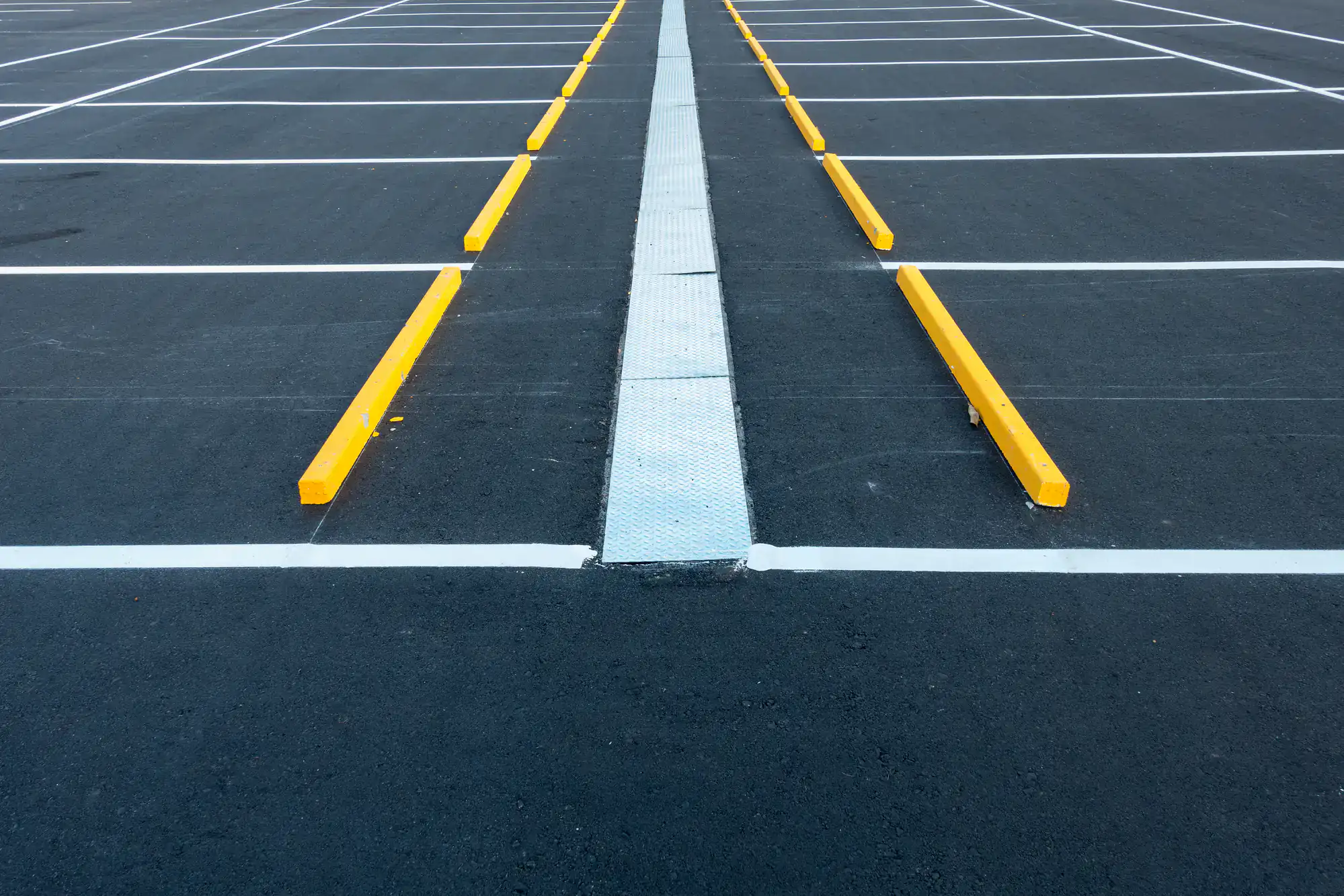
After the base is compacted and stable, asphalt goes down in layers. A binder layer first for strength, then a smooth top coat. Everything gets rolled and compacted to proper density. Most jobs take 3-7 days depending on size and weather. Once it cures, striping and final touches complete the project.
The difference between a parking lot that lasts 20 years and one that needs major repairs in five? It’s decided in these steps—not after the asphalt is down.
Ready to get started?
Parking lot paving in Babson Park, FL means more than just asphalt. It’s site evaluation, proper grading, quality base material, and professional installation using equipment designed for the job. It includes drainage planning so Florida’s heavy rainfall doesn’t undermine your investment.
You’re getting asphalt thickness appropriate for your traffic—not the bare minimum. You’re getting compaction that meets density requirements. You’re getting a surface designed to handle Central Florida’s intense sun and seasonal storms without breaking down prematurely.
In Babson Park and throughout Polk County, property owners deal with soil conditions that require careful base preparation. The area’s rainfall patterns demand drainage solutions that actually work. Local businesses need paving contractors who understand these conditions and plan accordingly—not crews rushing through to the next job.
Our service includes everything from initial consultation through final striping. Transparent pricing before work starts. Scheduling that minimizes disruption to your operations. And work backed by experience in Florida’s challenging climate.
With proper installation and maintenance, you’re looking at 20-30 years. That depends on getting the base right, using adequate asphalt thickness, and keeping up with sealcoating every 2-4 years.
Florida’s climate accelerates wear compared to northern states. The UV exposure breaks down asphalt binder. Heavy rains test your drainage. But when the foundation is solid and you protect the surface with regular sealcoating, the pavement holds up. Skip the base prep or cheap out on thickness, and you’ll see problems within 3-5 years instead.
The difference isn’t just materials. It’s how the job gets done—proper compaction, correct grading for drainage, attention to Florida-specific challenges. That’s what separates parking lots that last from ones that become expensive problems.
Paving means building from the ground up—excavation, base installation, asphalt layers. Resurfacing means milling off the old surface and putting down new asphalt over the existing base.
You’d choose new paving when the base has failed, when drainage problems exist, or for new construction. Resurfacing works when the foundation is still solid but the surface has worn out. Resurfacing costs less upfront ($1-$3 per square foot versus $2-$4.50 for new paving) but only makes sense if the underlying structure is sound.
Trying to resurface over a failed base is throwing money away. The new asphalt will just follow the cracks and failures underneath. A proper evaluation tells you which approach actually solves your problem instead of covering it up temporarily.
Proper grading before the asphalt goes down. The surface needs at least a 2% slope so water runs off instead of sitting. That gets designed during site prep, not fixed after paving.
In Babson Park and Central Florida, drainage matters more than in drier climates. You’re dealing with afternoon thunderstorms that dump serious rainfall. If the lot isn’t graded correctly, water pools, seeps into cracks, undermines the base, and accelerates deterioration. You end up with potholes and structural failure.
We evaluate drainage during the initial site visit. We look at where water needs to go, design the grade accordingly, and sometimes add catch basins or other drainage features. This happens before any asphalt gets laid. Trying to fix drainage issues after paving means tearing things up and starting over.
Site conditions, mostly. Poor soil that needs more base material. Drainage problems requiring correction. Removal of old, failed asphalt. Accessibility issues that make equipment work harder.
A flat, accessible site with decent soil and no existing pavement to remove costs less than a sloped property with drainage challenges and two feet of broken asphalt to excavate. Size matters too—larger lots spread mobilization costs over more square footage, lowering the per-square-foot price.
In Central Florida, soil conditions vary. Some areas need more base prep than others. If you’re in Babson Park dealing with areas that hold water, expect to invest more in proper drainage solutions. That upfront cost prevents expensive repairs later. The cheapest bid often means someone’s skipping steps that matter.
Spring through early fall works best. Asphalt needs warm temperatures to cure properly. Florida’s heat actually helps with installation and compaction.
You want to avoid paving during extended rainy periods. Rain delays projects and can compromise quality if crews are rushing between storms. Late spring and early summer often provide the most consistent weather windows in Central Florida.
For businesses, timing also depends on your operational needs. Some prefer paving when business is slower to minimize customer impact. Others schedule work in phases so part of the lot stays accessible. We work with your schedule and plan around both weather and your business requirements.
Asphalt costs less upfront ($2-$4.50 per square foot versus $4-$7 for concrete) and handles Florida’s heat better. Concrete lasts longer but costs more and can be harder to repair when problems develop.
Most commercial properties in Central Florida choose asphalt because it’s cost-effective and performs well in the climate. It’s easier to repair if damage occurs. With proper maintenance—sealcoating every few years, crack filling when needed—asphalt delivers 20-30 years of service at a lower total cost than concrete.
Concrete makes sense in specific situations where you need maximum durability or want the reflective properties for lighting. But for most parking lot applications in Babson Park, asphalt offers the best balance of performance, cost, and longevity.
Other Services we provide in Babson Park