Asphalt Resurfacing in Eaton Park, FL

Fresh Pavement That Actually Lasts

Professional asphalt resurfacing designed specifically for Florida’s challenging climate conditions and built to withstand years of use.
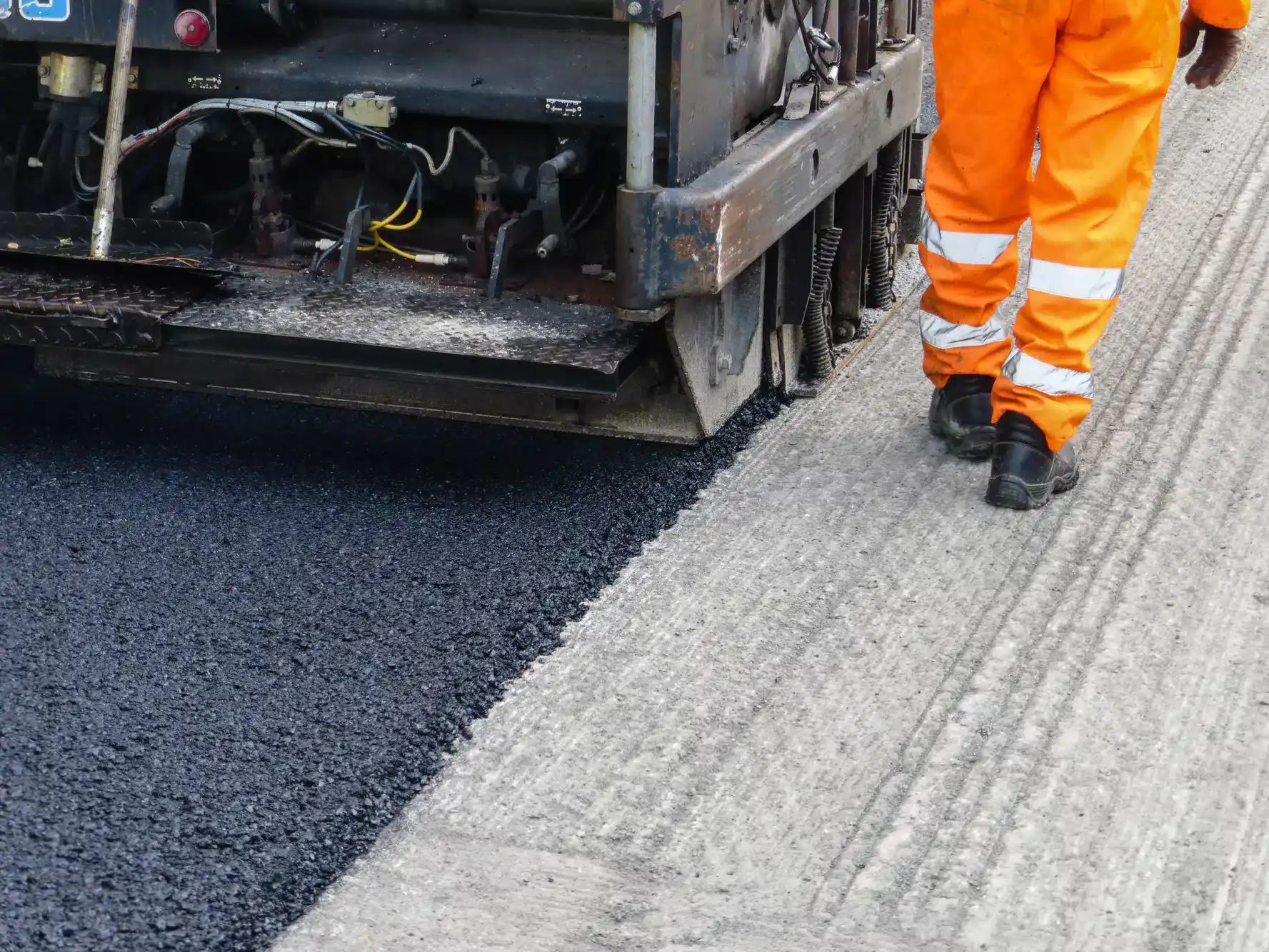
Hot asphalt being laid during a commercial paving project in Central Florida.

Hear from Our Customers

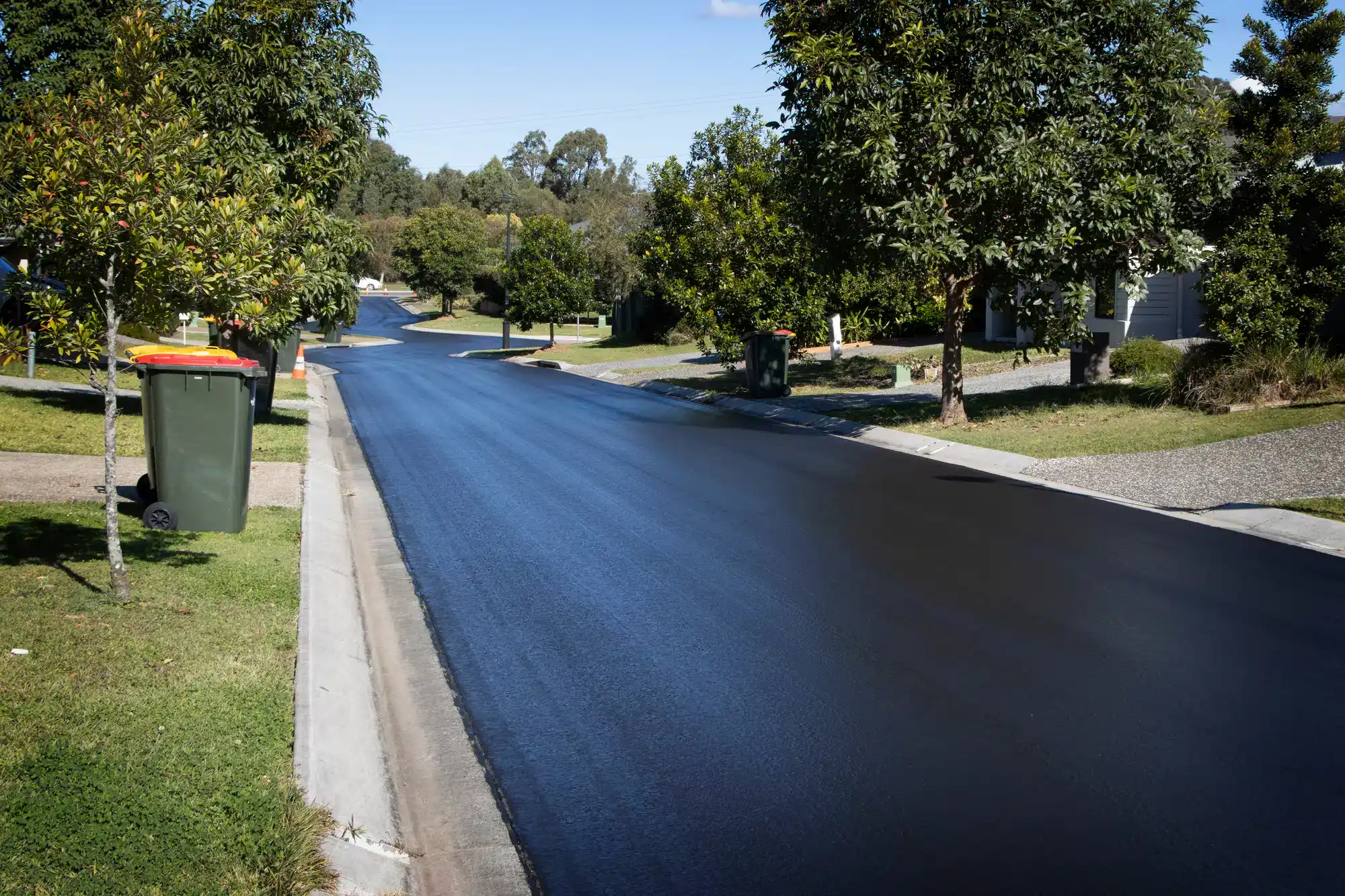
Newly paved asphalt driveway in a suburban neighborhood by Central Florida Blacktop Paving.

Professional Asphalt Services Eaton Park

Your Pavement Problems Actually Solved

Your cracked, faded asphalt isn’t just an eyesore—it’s costing you money every day it goes unfixed. Water seeps through those cracks, weakening your foundation and turning minor issues into major expenses.

When you choose professional asphalt resurfacing, you get a smooth, durable surface that stands up to Florida’s brutal sun and heavy rains. No more patching the same spots repeatedly. No more worrying about liability issues from uneven pavement.

You’ll have pavement that looks professional, performs reliably, and protects your investment for years to come. That’s what proper resurfacing delivers when it’s done right the first time.

Eaton Park Asphalt Contractors

We Actually Understand Florida Pavement

Central Florida Blacktop Paving Inc. has been serving Eaton Park and surrounding areas with professional asphalt services that work in our climate. We’re not just another paving company—we’re locals who understand what Florida weather does to asphalt.

We’ve seen what happens when contractors cut corners or use techniques that work up north but fail here. That’s why we use climate-specific materials and proven methods that handle intense UV rays, humidity, and sudden downpours.

Every project gets our full attention, from initial assessment through final cleanup. We keep you informed at every step because surprises have no place in professional paving work.
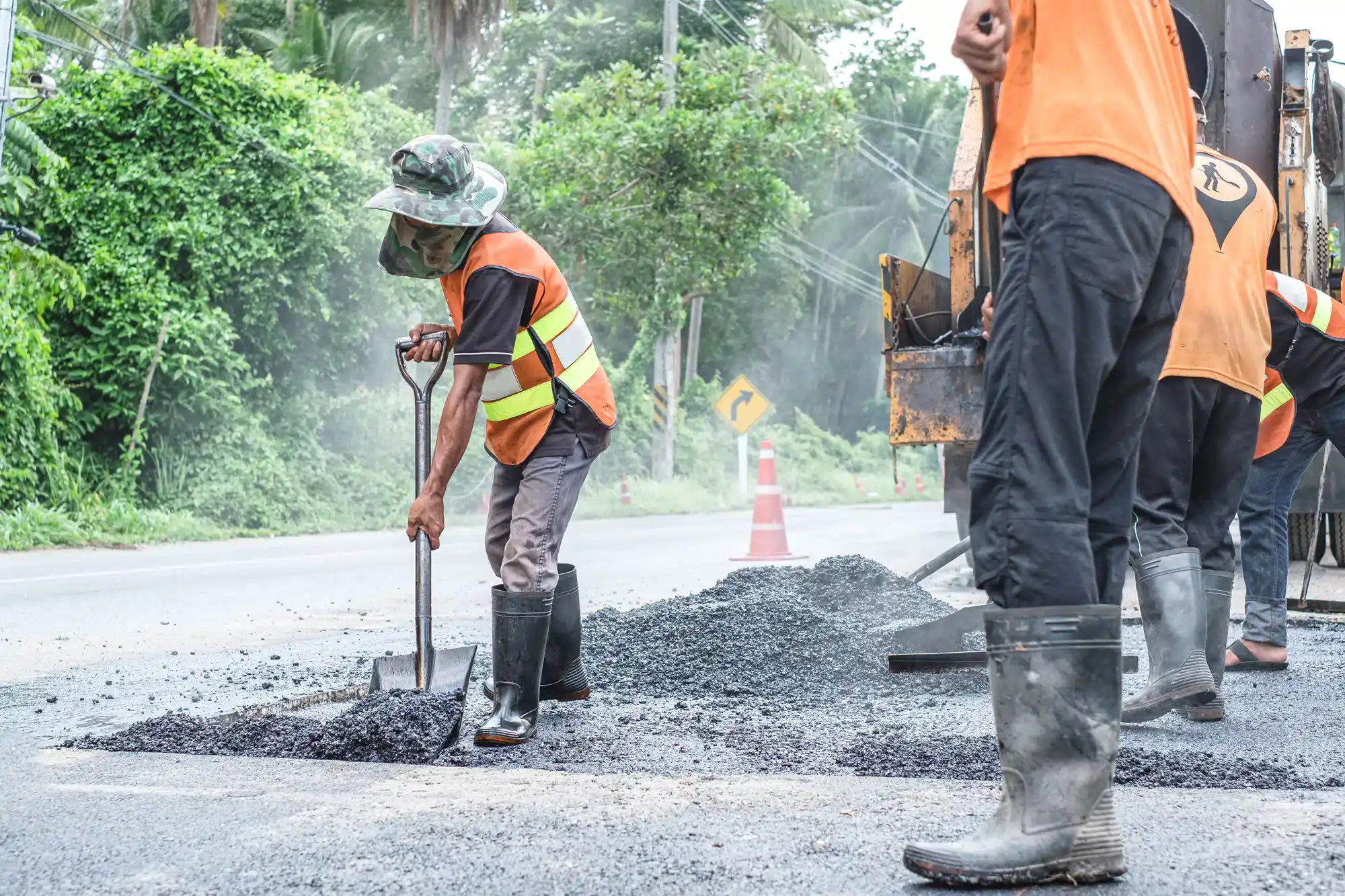
Asphalt paving workers repairing an urban street with hot asphalt.

Asphalt Resurfacing Process Florida

Here's Exactly What Happens

First, we thoroughly assess your existing pavement to determine if resurfacing is the right solution. We check for structural issues, drainage problems, and base stability. If your foundation is sound, resurfacing gives you excellent results at a fraction of replacement cost.

Next, we prepare the surface by cleaning, repairing cracks, and applying a tack coat that bonds the new layer to your existing asphalt. This step is critical—skip it, and your new surface won’t last.

Then we install the new asphalt overlay using proper thickness and compaction techniques. We pay attention to drainage patterns and ensure smooth transitions at edges and joints. Finally, we handle striping and final details so your pavement is ready for immediate use.
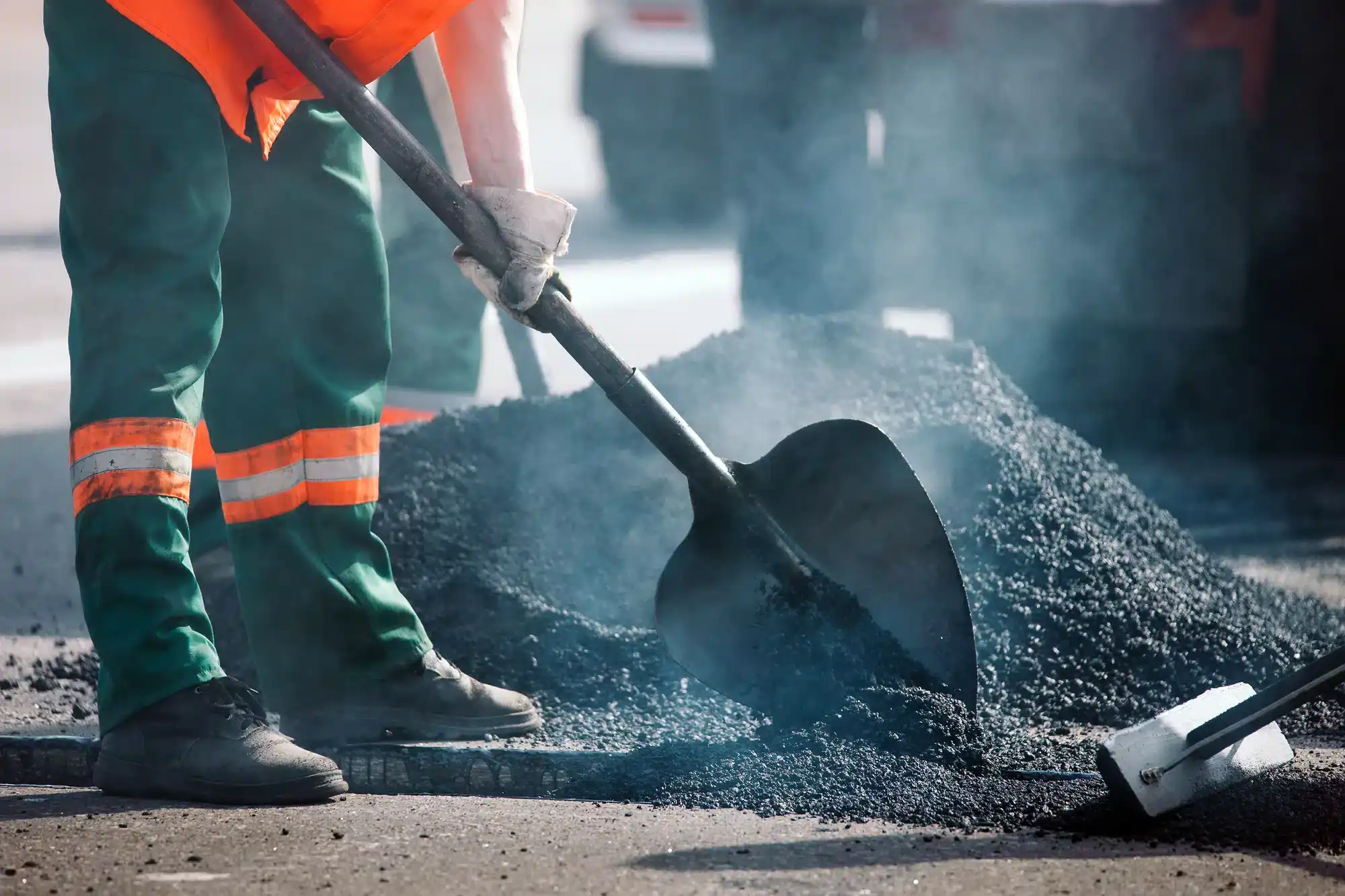
Asphalt paving in progress at Central Florida Blacktop Paving for expert road and driveway resurfacing.

Ready to get started?

Explore More Services

About Central Florida Blacktop Paving

Get a Free Consultation

Asphalt Maintenance Eaton Park

What You Actually Get

Our asphalt resurfacing service includes thorough surface preparation, proper material application, and quality finishing work. We use asphalt mixes specifically designed for Florida’s climate, with additives that resist UV damage and moisture infiltration.

In Eaton Park, we see considerable pavement damage from our area’s clay soils and seasonal weather patterns. We account for these local conditions in our approach, ensuring proper drainage and using techniques that prevent the common failure points we see in this region.

You also get clear communication throughout the project. We explain what we’re doing, why we’re doing it, and what to expect next. No surprises, no confusion—just professional work done right.
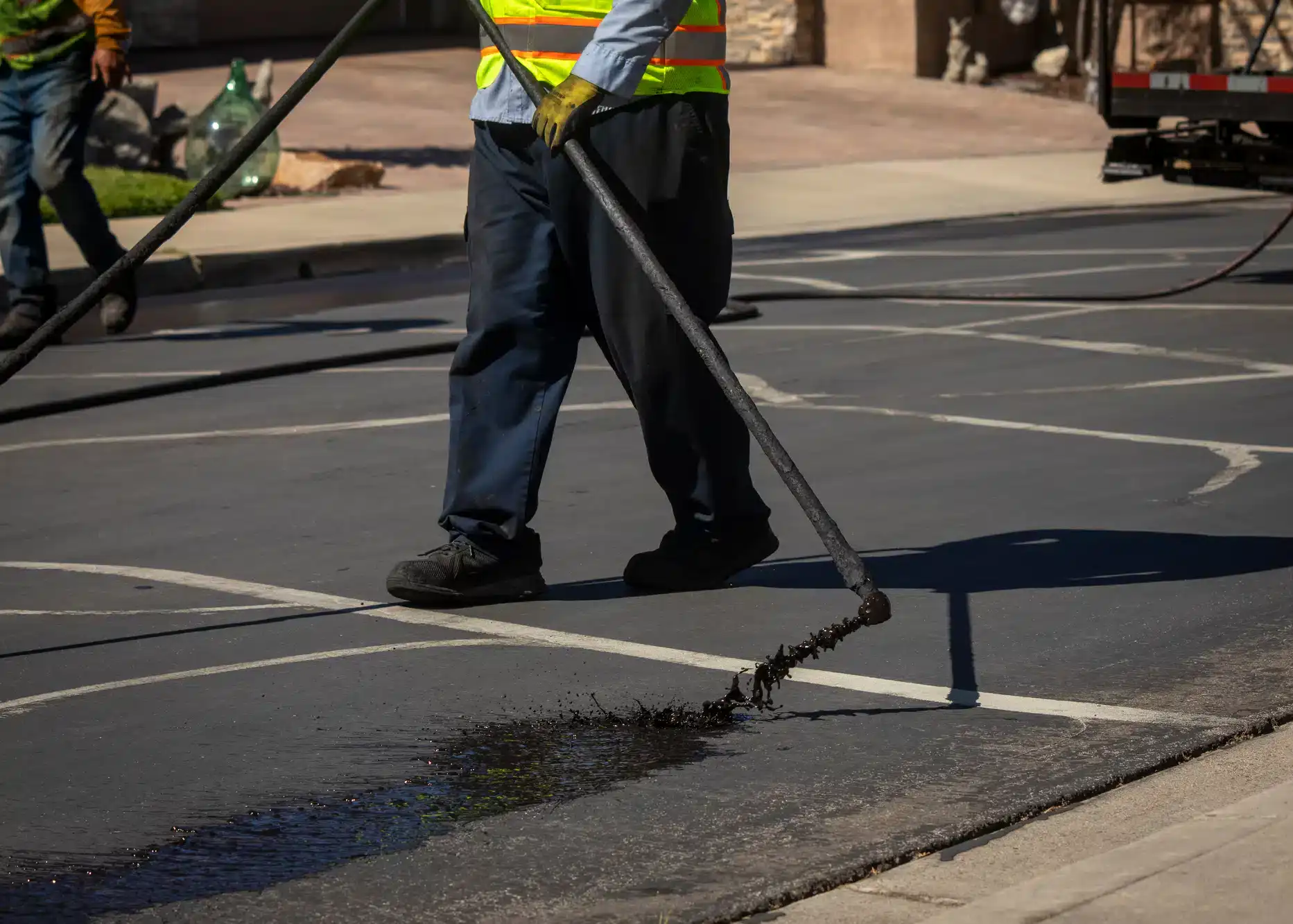
Central Florida Blacktop Paving crew laying hot asphalt on a parking lot surface.

How long does asphalt resurfacing last in Florida's climate?

Properly installed asphalt resurfacing typically lasts 8-15 years in Florida, depending on traffic load and maintenance. The key is using climate-appropriate materials and proper installation techniques.Florida’s intense UV rays and frequent rain accelerate asphalt aging compared to northern climates. That’s why we use UV-resistant mixes and ensure excellent drainage during installation. With periodic sealcoating every 2-3 years, your resurfaced pavement can reach the upper end of that lifespan range.Traffic also matters—residential driveways last longer than busy commercial parking lots. But even high-traffic areas get excellent value from professional resurfacing when it’s done with the right materials and methods.
Resurfacing works when your existing pavement has a sound foundation but surface-level problems like cracking, fading, or minor potholes. If the base is stable and drainage is adequate, resurfacing gives you new pavement performance at much lower cost.We don’t recommend resurfacing if you have major structural issues, base failure, or severe drainage problems. In those cases, full replacement is the better long-term investment. That’s why we always start with a thorough assessment.Signs that resurfacing will work include surface cracks without base movement, faded appearance, minor rutting, and isolated pothole areas. If your pavement still has good structural integrity underneath, resurfacing can give you many more years of reliable service.
Resurfacing adds a new layer of asphalt over your existing pavement, typically 1-2 inches thick. Sealcoating applies a protective coating over existing asphalt to prevent water and UV damage. They serve different purposes and work at different stages of pavement life.Resurfacing is for pavement that’s structurally sound but has surface damage beyond what sealcoating can address. Think of it as giving your pavement a completely new surface layer. Sealcoating is preventive maintenance that protects good asphalt from deteriorating.In Florida, the typical cycle is: new asphalt, sealcoating every 2-3 years for protection, then resurfacing after 10-15 years when surface damage accumulates. Following this schedule maximizes your pavement investment and minimizes major repair costs.
Weather timing is critical for successful asphalt resurfacing in Florida. We monitor forecasts carefully and schedule work during dry periods when temperatures are appropriate for proper curing. Rain before the asphalt sets can ruin the entire job.We avoid working during the hottest summer days when asphalt becomes too soft, and we don’t work when rain is expected within 24 hours of completion. Spring and fall often provide the best conditions, but we can work year-round when weather windows allow.If unexpected weather threatens during a project, we have contingency plans to protect completed work. Our experience with Florida’s unpredictable weather patterns helps us make smart decisions about when to proceed and when to wait for better conditions.
Proper preparation is what separates lasting resurfacing from work that fails prematurely. We start by thoroughly cleaning the existing surface and making necessary repairs to cracks, potholes, and edge damage. Any areas with base problems get addressed before we proceed.Next, we apply a tack coat—a bonding agent that helps the new asphalt layer adhere to the existing pavement. This step is often skipped by less experienced contractors, but it’s essential for long-term performance. Without proper bonding, the new layer can separate and fail.We also check drainage patterns and make adjustments if needed. Poor drainage is one of the biggest threats to asphalt longevity in Florida, so we ensure water flows away from the pavement properly. All this preparation work happens before any new asphalt gets installed.
You can typically walk on newly resurfaced asphalt within a few hours, but vehicle traffic should wait 24-48 hours for proper curing. Hot Florida weather can extend this timeline, as asphalt stays softer longer in high temperatures.We provide specific guidance based on weather conditions during your project. Cooler temperatures allow faster curing, while hot, humid conditions require more patience. Heavy vehicles like delivery trucks should wait longer than passenger cars to avoid leaving impressions in the new surface.The key is letting the asphalt cool and harden properly. Rushing this process can damage your new pavement and void any warranty coverage. We’ll give you clear instructions about when different types of traffic can safely resume on your newly resurfaced pavement.

Other Services we provide in Eaton Park