Gravel and Grading in Fountain Heights, FL

Level Ground, Lasting Results

Your property deserves surfaces that work—smooth, stable, and built to handle Florida weather without constant repairs or water damage headaches.
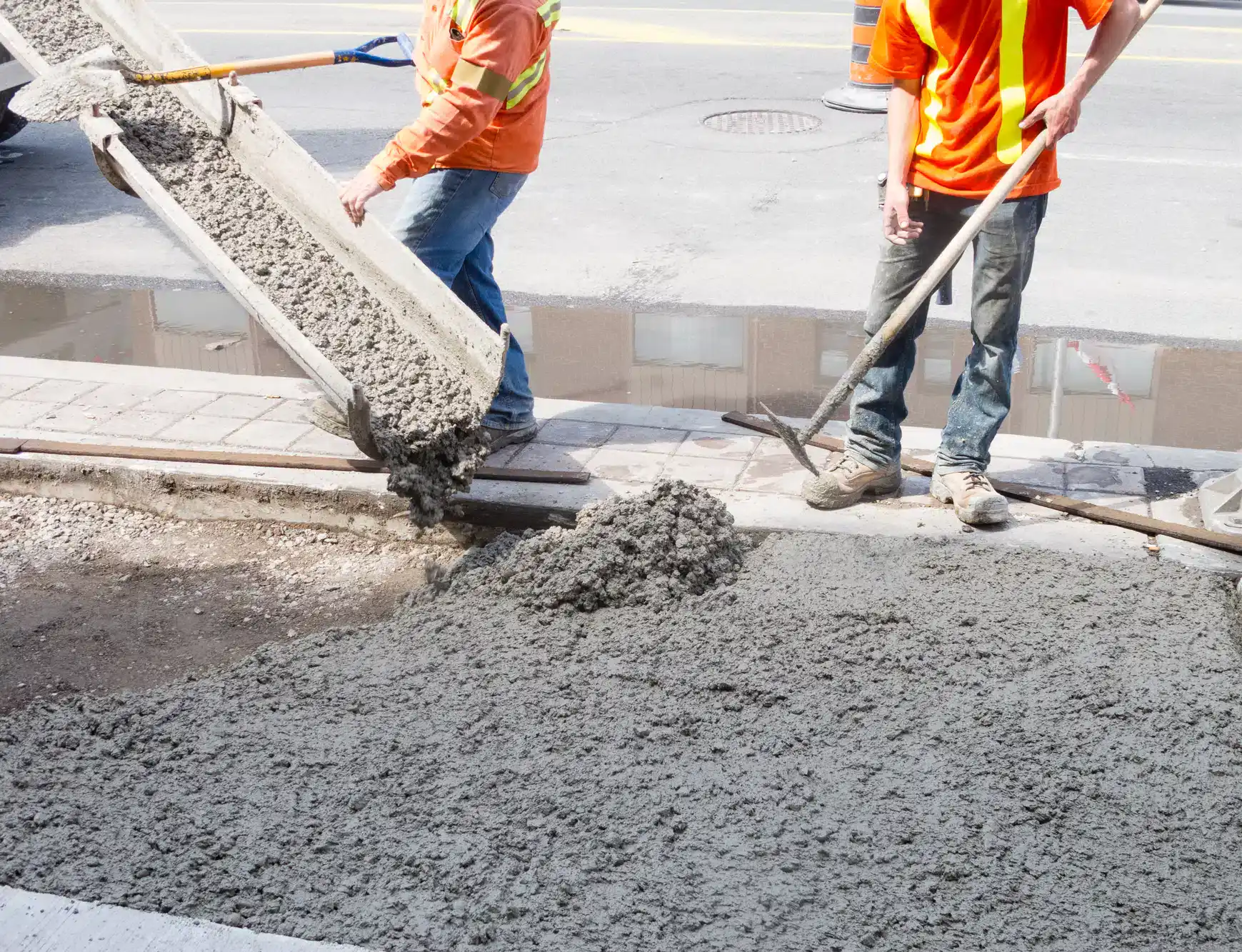
Central Florida Blacktop Paving professionals pouring asphalt and paving a sidewalk.

Hear from Our Customers

Crushed gravel material used for asphalt paving in Central Florida blacktop paving projects.

Professional Grading Services Fountain Heights

What Proper Grading Actually Gets You

You get surfaces that shed water instead of collecting it. No more standing puddles that turn into bigger problems. No more uneven spots that jar your vehicle or create safety hazards for anyone walking or driving on your property.

When grading is done right, your driveway stays smooth longer. Your parking areas handle traffic without developing ruts. Your foundation stays protected because water flows away from it, not toward it.

The difference shows up immediately—and keeps showing up years later when your neighbors are dealing with expensive repairs while your surfaces are still performing exactly as they should.

Fountain Heights Site Preparation Experts

We Know Central Florida Ground

We’ve been handling the unique challenges of Florida soil and weather for years. We understand how our sandy soil shifts, how our heavy rains test drainage systems, and how our intense sun affects surface materials.

Every project starts with understanding what your specific site needs. Some properties need extensive drainage work. Others need careful grading to work with existing elevation changes. We’ve handled everything from simple residential driveways to complex commercial site preparation in Fountain Heights and throughout Central Florida.

Our approach is straightforward: clear communication from estimate to completion, quality work that addresses the real issues, and results that prove themselves over time.
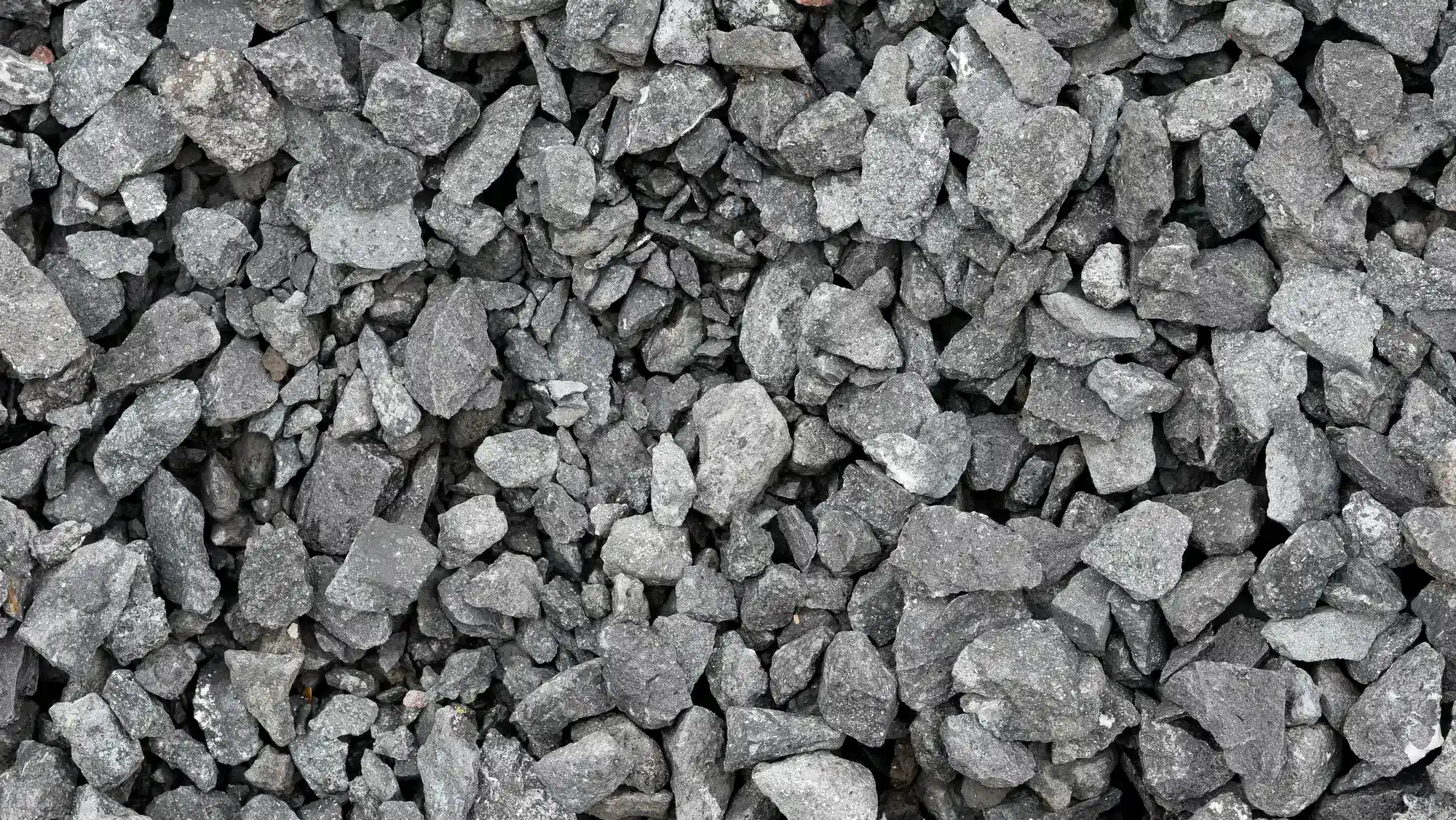
Crushed gray stone used for asphalt paving and driveway installation

Grading and Excavation Process Florida

Here's How We Handle Your Project

First, we assess your site conditions—existing grade, drainage patterns, soil composition, and what you’re trying to accomplish. This tells us whether you need basic grading, excavation work, or more extensive site preparation.

Next comes the actual grading work. We use professional equipment to reshape the surface, establish proper slopes for drainage, and create the stable base your project requires. For areas that need it, we handle excavation to remove unsuitable material or create the depth needed for proper foundation work.

The final step involves compaction and finishing. We ensure the graded surface is properly compacted to prevent settling, check that drainage flows work as designed, and confirm everything meets the specifications for your intended use. You get a surface that’s ready to perform from day one.
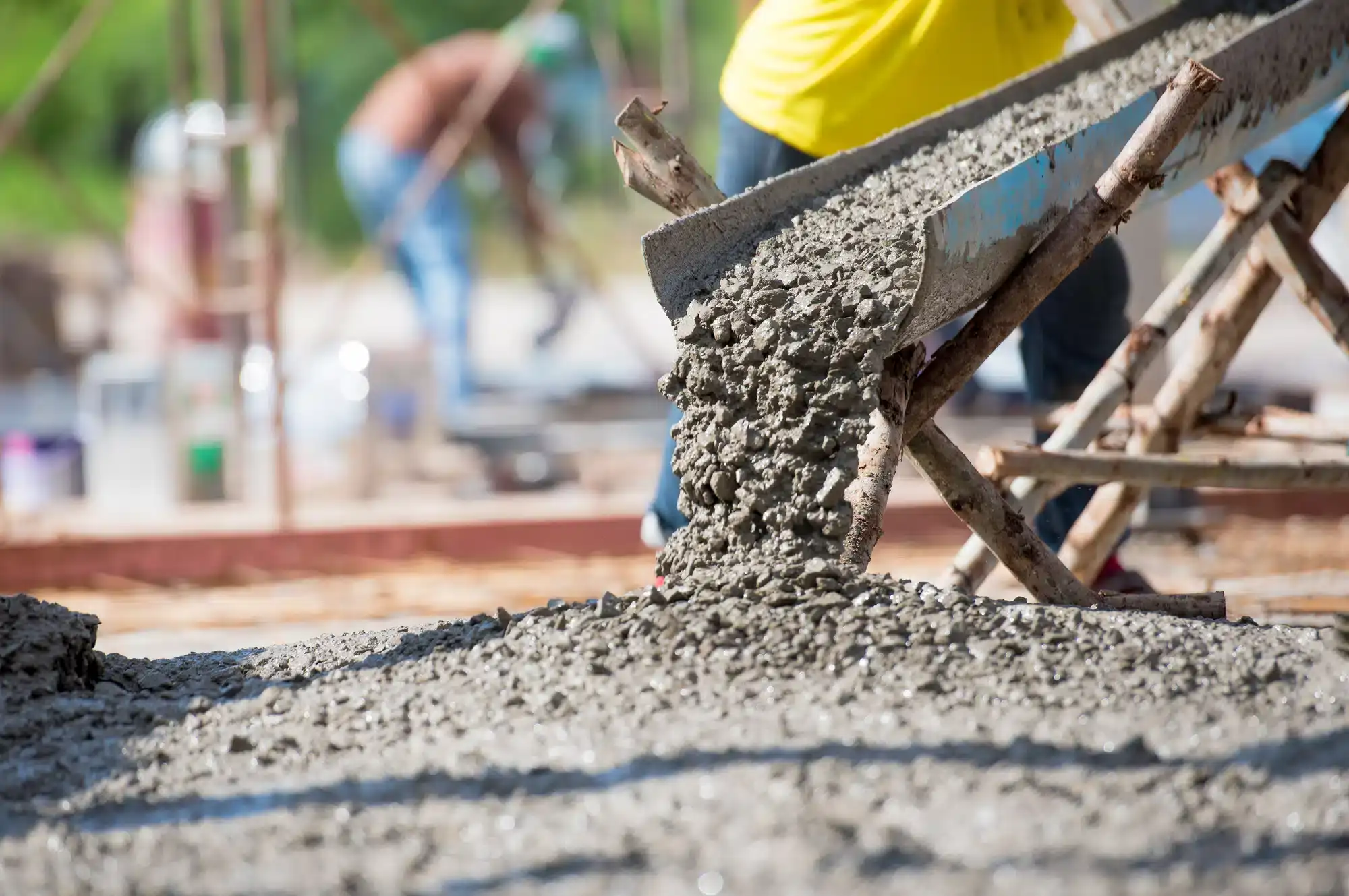
Concrete being poured as part of asphalt paving project in Central Florida.

Ready to get started?

Explore More Services

About Central Florida Blacktop Paving

Get a Free Consultation

Residential Commercial Grading Fountain Heights

What's Included in Professional Grading

Our gravel and grading services cover everything needed to prepare your site properly. This includes site evaluation to understand existing conditions, excavation when needed to reach suitable bearing material, and precise grading to establish the correct slopes and elevations.

We handle drainage considerations that are critical in Fountain Heights. Florida’s rainfall patterns mean your graded surfaces must shed water effectively to prevent erosion and foundation issues. We create drainage patterns that work with your property’s natural flow while protecting structures and paved areas.

For commercial projects, we coordinate with other trades and work within your timeline requirements. Residential projects get the same attention to detail but with focus on minimizing disruption to your daily routine. Every project includes proper compaction to ensure long-term stability and performance that meets local building requirements.
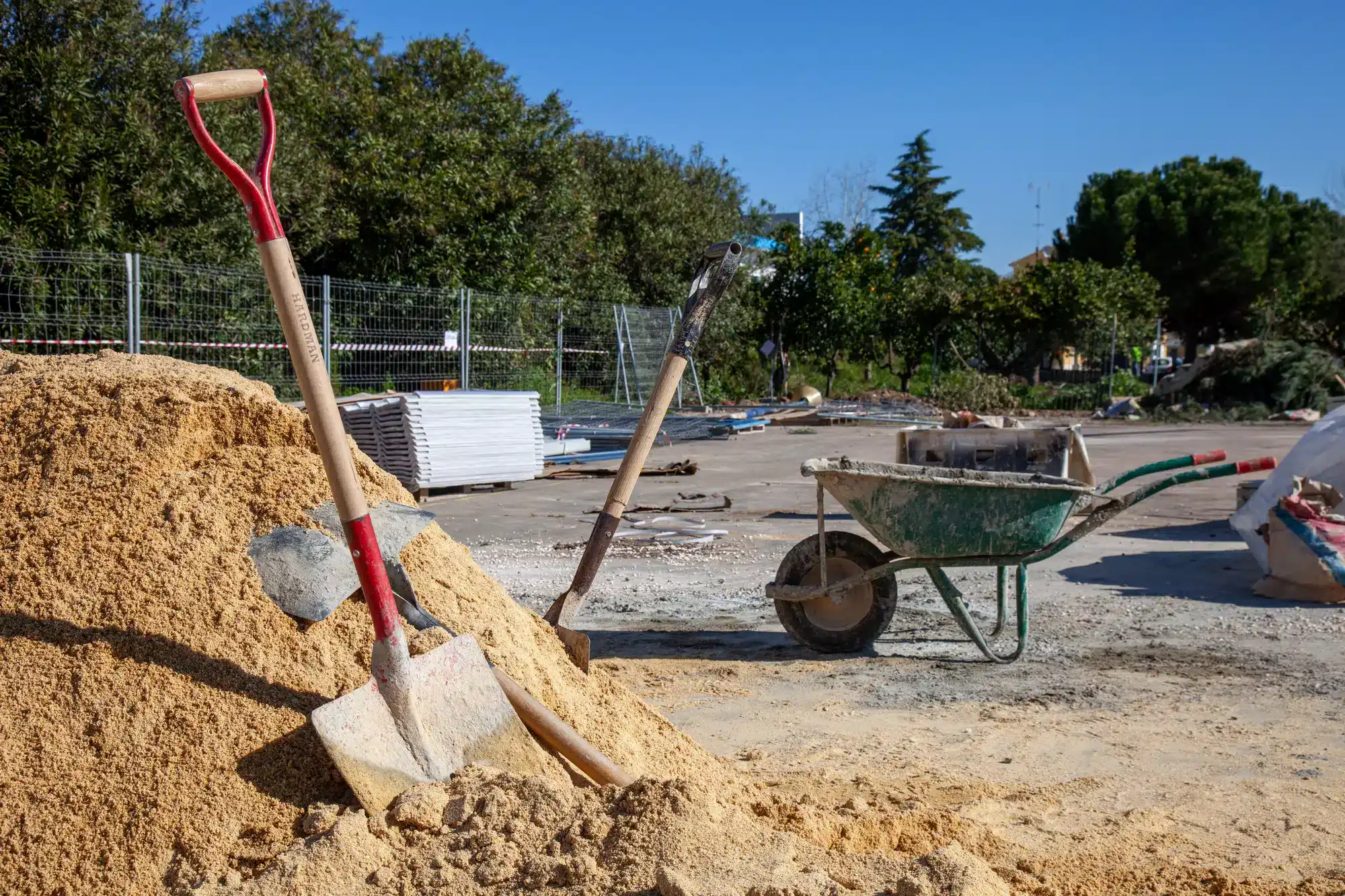
Fine yellow sand and construction tools on an asphalt paving site in Central Florida.

How deep should gravel be for a stable driveway foundation?

The depth depends on your soil conditions and intended use, but most residential driveways need 4-6 inches of properly graded gravel. If your soil is sandy or doesn’t drain well, you’ll likely need deeper gravel—sometimes 8 inches or more.The key isn’t just depth, though. The gravel needs to be the right type and properly compacted. We use crushed stone that locks together when compacted, not smooth river rock that shifts around. And we grade it with the right slope—typically 1/4 inch per foot—so water runs off instead of pooling.For heavier use areas like commercial driveways or where delivery trucks will drive, we typically recommend deeper gravel and sometimes a geotextile fabric underneath to prevent the gravel from mixing with the soil over time.
Rough grading establishes the basic shape and elevations of your project. This is where we move larger amounts of soil, create the general drainage patterns, and get the site close to its final form. We use heavy equipment like bulldozers and excavators for this phase.Finish grading fine-tunes everything to exact specifications. We’re working to precise elevations, creating smooth transitions, and ensuring drainage flows exactly where it needs to go. This phase uses more precise equipment and often GPS guidance to hit exact grades.The difference matters because you can’t skip rough grading and expect finish grading to fix major elevation or drainage issues. Each phase serves a specific purpose, and doing both properly is what gives you surfaces that perform correctly long-term.
Proper drainage starts with understanding how water naturally wants to flow on your property, then working with those patterns instead of against them. We establish slopes that direct water away from buildings and toward appropriate discharge points.For most surfaces, we create a minimum 2% slope—that’s about 1/4 inch of fall per foot. Steeper slopes work better in areas with heavy runoff, but too steep creates erosion problems. The goal is controlled flow that moves water efficiently without creating washout issues.We also consider where the water goes after it leaves your graded area. There’s no point in creating perfect drainage if it just creates problems for your neighbor or pools somewhere else on your property. Good grading design thinks through the entire water management system.
Yes, but the solution depends on what’s causing the drainage problem. Sometimes we can regrade the existing gravel to improve slopes and redirect water flow. Other times, the problem is deeper—like inadequate base preparation or the wrong type of gravel.If the base wasn’t prepared correctly originally, we might need to excavate, install proper drainage materials, and rebuild the surface. If it’s just that the gravel has settled unevenly over time, regrading and adding fresh material often solves the issue.We start with an assessment to determine what’s really causing the drainage problem. This tells us whether we’re looking at a simple regrading job or need more extensive work to fix the underlying issues.
Most residential grading projects take 1-3 days, depending on the size and complexity. A simple driveway regrading might be done in a day, while site preparation for a new home foundation could take several days.Commercial projects vary more widely based on scope. A parking lot grading might take 3-5 days, while large site development projects can take weeks. Weather affects timing too—we can’t do quality grading work in muddy conditions.We’ll give you a realistic timeline during the estimate process based on your specific project requirements. We also build in some flexibility because Florida weather doesn’t always cooperate with construction schedules, and we’d rather take an extra day than compromise the quality of the work.
It depends on the scope of work and local requirements. Minor residential grading like driveway improvements typically doesn’t require permits, but larger projects often do. Commercial site grading almost always requires permits and approved grading plans.If your project involves moving significant amounts of soil, changing drainage patterns that affect neighboring properties, or preparing sites for new construction, you’ll likely need permits. The local building department can tell you exactly what’s required for your specific project.We help navigate the permit process when needed and ensure our work meets all local code requirements. It’s better to check upfront than deal with compliance issues later, especially since improper grading can create expensive problems that extend well beyond your property lines.

Other Services we provide in Fountain Heights